Play After the Inferno
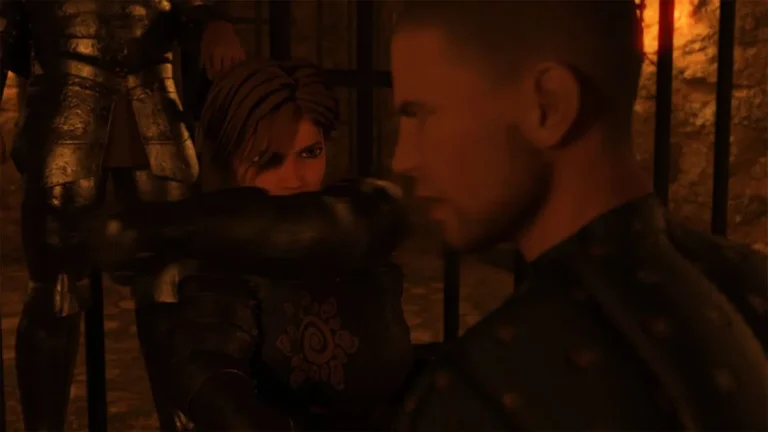
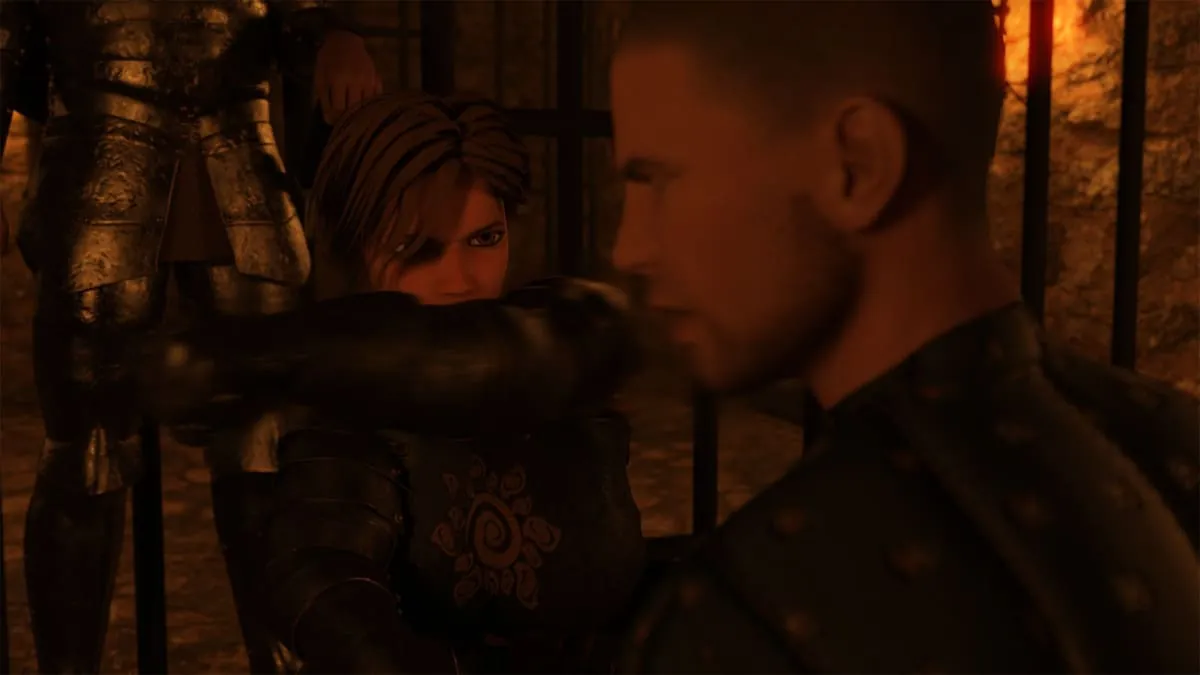
After the Inferno Screenshots
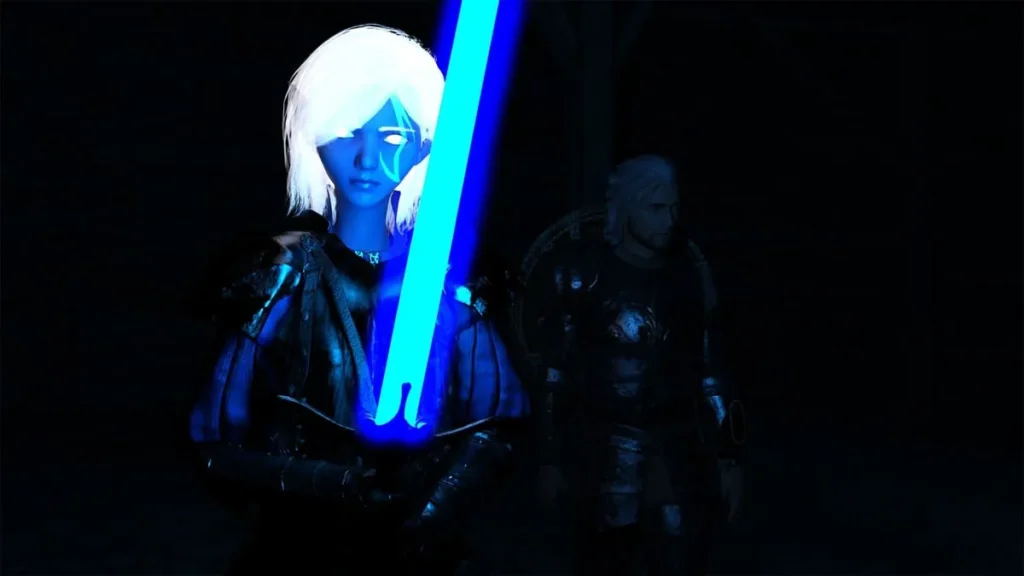
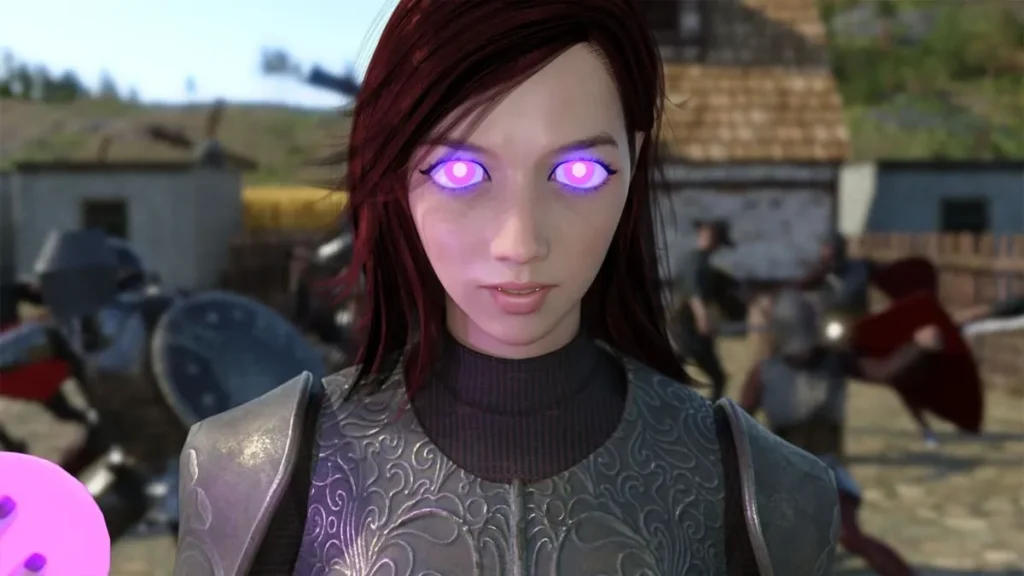
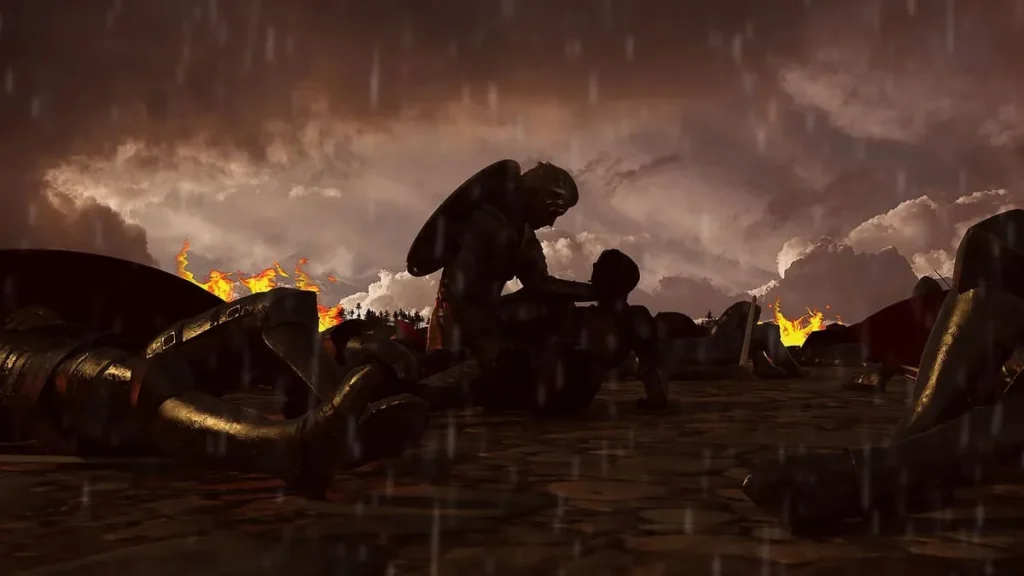

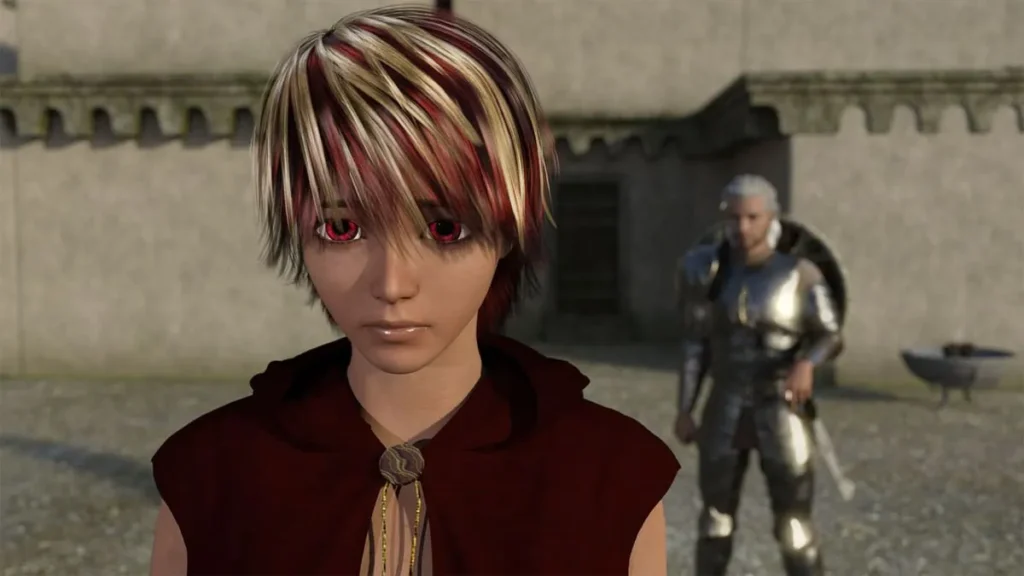
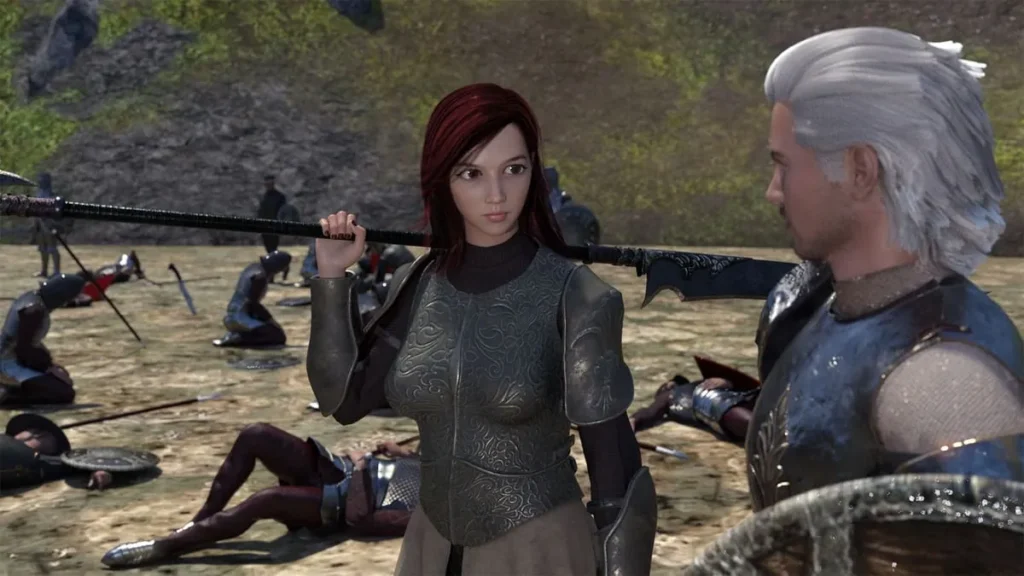


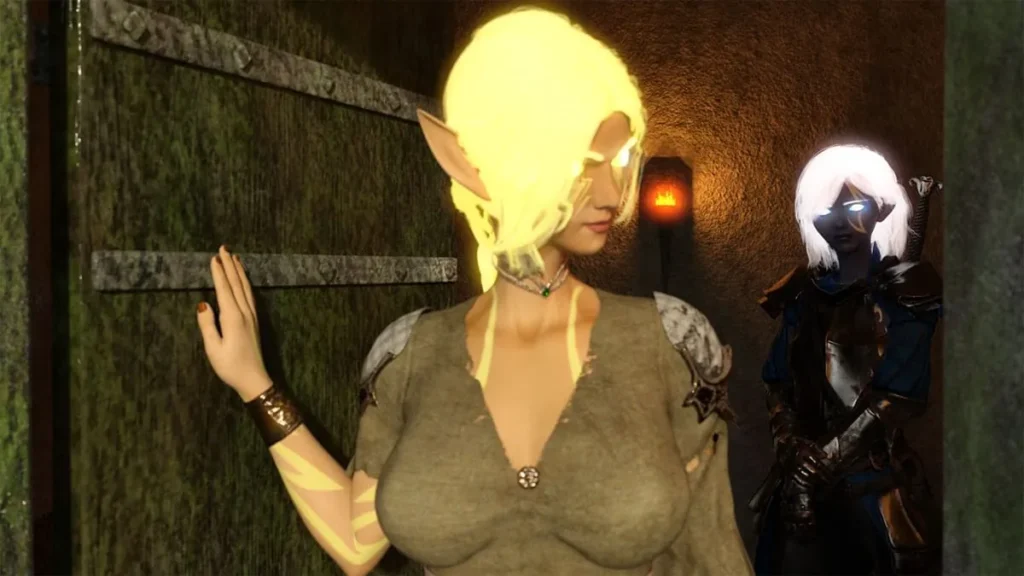
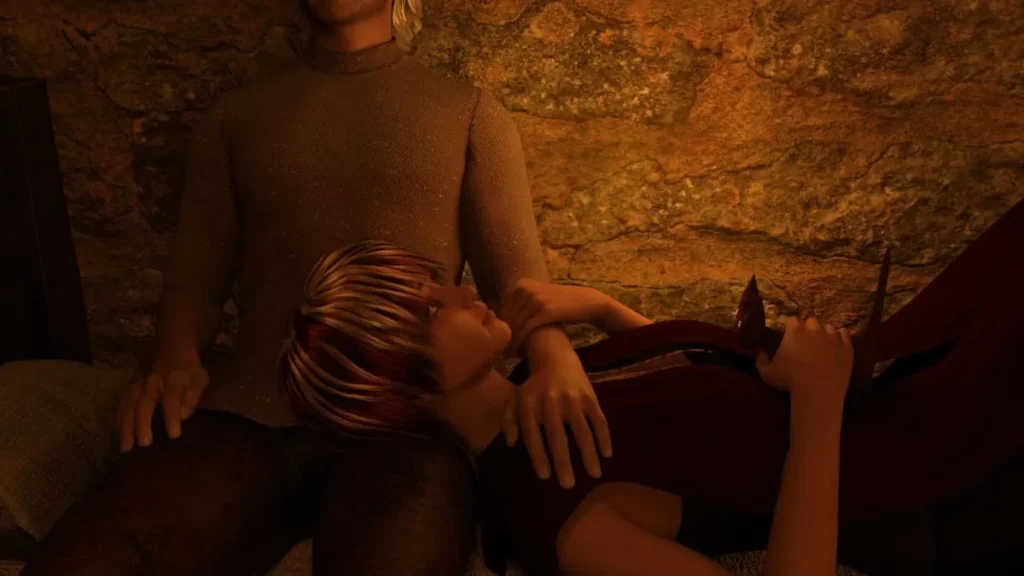


After the Inferno review
Explore storylines, characters, and gameplay mechanics in this mature narrative experience
After the Inferno stands out as a narrative-driven visual novel that combines deep storytelling with player choice mechanics. This mature-rated title features a protagonist named Devran navigating complex relationships and decisions throughout the game. Whether you’re interested in the branching storylines, character development, or the game’s unique features, this guide covers everything you need to know about experiencing After the Inferno. The game offers optional intimate scenes integrated into its narrative, allowing players to customize their experience based on personal preferences. Understanding the game’s structure, character options, and gameplay mechanics will help you make the most of your playthrough.
Understanding After the Inferno: Story, Setting, and Core Gameplay
Diving into a new visual novel can feel like stepping into unknown territory. Is it all fluff, or is there a real story here? Will my choices matter, or am I just clicking through a predetermined path? 🤔 I remember starting After the Inferno with a healthy dose of skepticism, only to be completely pulled into its world within the first hour. This isn’t just another title on the shelf; it’s a meticulously crafted, narrative-driven game experience that respects your time and intelligence. Let’s pull back the curtain and explore what makes this journey so compelling.
What Makes After the Inferno Unique as a Visual Novel
At its heart, After the Inferno is a story about consequences, redemption, and forging new connections in the ashes of a fallen empire. You step into the worn boots of Devran, a former imperial soldier whose world has literally burned down around him. This isn’t a power fantasy where you’re the chosen one from minute one. Instead, the game excels as a character-driven narrative game, making you feel Devran’s fatigue, his cynicism, and his slow, hard-fought journey toward something resembling hope.
What truly sets this visual novel apart is its stunning balance. It presents a mature world with adult relationships, yet it never lets that aspect overshadow the core narrative. Think of it like a gripping, character-focused HBO series. The mature elements are part of the world and the characters’ lives, but the plot never hinges on them. This is a crucial design philosophy that reshapes the entire narrative-driven game experience. The story of political intrigue, mysterious magical forces, and personal trauma stands firmly on its own two feet.
The world-building is another star of the show. Instead of dumping lore in clumsy exposition dumps, After the Inferno uses a brilliant Codex system. As you explore the city of Lyndros and meet its inhabitants, your codex fills with entries about locations, religions, historical events, and character backgrounds. It’s entirely optional—you can ignore it and follow the main story just fine—but for players like me who love to immerse themselves, it’s a treasure trove. Want to understand the tension between the Church of the Maker and the old pagan beliefs? The codex has you covered. This optional depth ensures the game caters to both casual readers and hardcore lore enthusiasts.
Tip: Don’t feel pressured to read every codex entry as it pops up! I made a habit of checking it at natural breaks in the story, like when Devran retires for the night. It became a rewarding “story within the story.”
But the masterstroke, and the feature that sparked countless discussions in player forums, is its handling of mature content. Every single intimate scene in After the Inferno is completely optional. These moments are gated behind clear, consensual choices and are treated as character moments rather than rewards. Choosing to skip them has zero impact on the main visual novel story progression, your standing with characters, or your ability to see the story’s conclusions. This isn’t just a toggle in the settings; it’s a foundational design choice that tells players, “Your comfort and preference are paramount.” It makes the game uniquely accessible, welcoming players who are here purely for the epic fantasy tale and complex character arcs.
Narrative Structure and Player Agency in Storytelling
The magic of After the Inferno lies in how it makes you feel like the author of your own version of Devran’s story. This is achieved through its sophisticated approach to player choice and branching storylines. From seemingly minor dialogue selections to major moral crossroads, your decisions consistently ripple outward, affecting relationships, unlocking unique scenes, and altering how characters perceive and interact with Devran.
The visual novel gameplay mechanics here are deceptively simple on the surface—read, click, choose—but beneath that, they orchestrate a complex web of narrative paths. The game tracks your affinity with key characters in subtle ways. Are you supportive and kind to a certain character, or brusque and pragmatic? The game remembers, and future conversations will reflect that history. This creates a profoundly personal narrative-driven game experience; my Devran, who tried to be a peacemaker between factions, had a drastically different mid-game experience than my friend’s, who played him as a self-interested mercenary.
This brings us to the crown jewel of its design: the optional intimate scenes in games. In After the Inferno, these scenes are the ultimate expression of player agency. They are not milestones on a checklist, but rather organic culminations of a relationship path you’ve actively chosen to pursue. The game never punishes you for not pursuing them. You won’t miss key plot information or lose a character’s loyalty. This design completely reframes these moments. They become meaningful because they are elective, representing a specific story branch you’ve cultivated. It removes any sense of obligation and replaces it with pure, character-driven choice.
Let’s talk about longevity. With its emphasis on player choice and branching storylines, a single playthrough of After the Inferno simply isn’t enough. Thankfully, the game encourages exploration with multiple save slots. I highly recommend saving at major chapter transitions or before big decisions. On my second playthrough, I used saves to see how a different choice in Chapter 3 would play out by Chapter 6, and the differences were astonishing—entire conversations and character dynamics shifted. It’s a testament to the game’s depth that it rewards this level of engagement.
Here are the key features that facilitate this rich storytelling:
- Truly Optional Character Moments: Pursue deep, platonic friendships or romantic relationships at your discretion, with no narrative penalty for any path.
- Comprehensive Codex System: A built-in lore library that details the world’s history, religions, locations, and people, enriching the setting on your terms.
- Robust Save System: Multiple save slots allow you to bookmark decisions and explore branching storylines without losing your primary playthrough.
- Relationship Tracking: Hidden affinity systems ensure characters react to your consistent behavior, making interactions feel authentic and earned.
FAQ: Your Choices, Your Story
Q: Is the mature content mandatory to progress the story?
A: Absolutely not. This is the game’s defining feature. Every intimate scene is behind a clear, avoidable choice. Skipping them will not lock you out of story content, character endings, or any main plot points. The visual novel story progression is entirely separate.
Q: How do my choices about relationships affect the game?
A: They affect the nature of your journey, not its destination in terms of the core plot. Your choices determine which character arcs you explore deeply, the tone of your interactions, and which optional scenes you experience. It’s about shaping Devran’s personal story within the larger narrative.
Q: I prefer story-focused games without romantic elements. Is After the Inferno still for me?
A: 100% yes. You can engage with the game as a pure political and personal fantasy drama. The optional paths are just that—optional. The game is designed to be a complete and satisfying narrative-driven game experience regardless of those choices.
Game Features and Accessibility Options
After the Inferno understands that a great story should be comfortable to experience. Beyond its narrative strengths, it’s packed with thoughtful features that cater to the player. The presentation of its mature visuals is a perfect example of its intentional design. Scenes are crafted with a focus on emotion and character connection rather than objectification. They feel like a natural, if optional, extension of the story’s character-driven narrative, which is a respectful approach that elevates the entire experience.
For players who love to dissect and replay, the game’s structure is a gift. The combination of meaningful player choice and branching storylines with abundant save slots means you can truly experiment. Want to see what happens if you ally with a different faction in the middle of the story? Save your game and dive down the rabbit hole. This flexibility is a core part of the visual novel gameplay mechanics, transforming it from a passive read into an interactive story canvas.
The game also respects your time in more practical ways. A full log of dialogue allows you to reread any missed text, auto-forward mode lets the story play at a set speed, and the ability to quickly skip previously read text makes subsequent playthroughs efficient. These might seem like small touches, but for a game of this length and depth, they are essential for a smooth narrative-driven game experience.
To give you a clearer picture of how the game structures its content and choices, here’s a breakdown:
| Game Element | Function & Impact | Player Agency Level |
|---|---|---|
| Main Story Decisions | Drive the central plot concerning the Inferno, magic, and Lyndros’s politics. These determine the overarching narrative conclusion. | High – Shapes the core plot resolution. |
| Character Relationship Choices | Determine the depth and nature of your bond with key characters. Unlocks personal subplots and optional scenes. | Very High – Defines your personal journey and which character arcs you experience. |
| The Codex System | Provides optional, in-depth lore about the world. No gameplay effect, but enriches immersion and understanding. | Complete – Use it as much or as little as you like. |
| Optional Intimate Scenes | Represent the culmination of specific relationship paths. No impact on main story progression or character loyalty. | Absolute – 100% elective with no narrative penalty for omission. |
Ultimately, After the Inferno is a testament to the power of player choice and branching storylines done right. It’s a game that trusts its audience, offering a mature, complex world without forcing every aspect of that maturity upon you. It provides the tools—the saves, the codex, the clear choices—to craft your own unique version of Devran’s redemption story. Whether you’re here for a gripping fantasy epic, deep character studies, or to explore every possible branch, this visual novel delivers a sophisticated, respectful, and utterly captivating experience that stays with you long after the final choice is made.
After the Inferno delivers a mature visual novel experience that prioritizes storytelling alongside optional interactive elements. The game’s strength lies in its narrative depth, character development, and respect for player autonomy—allowing you to engage with content at your own comfort level without compromising story progression. Whether you’re drawn to the branching storylines, character relationships, or the immersive world-building through the codex system, After the Inferno offers substantial content for players seeking a character-driven narrative experience. The game’s design philosophy ensures that every player can customize their journey through Devran’s story, making it accessible to both those interested in all available content and those preferring a story-focused approach. If you’re considering diving into After the Inferno, approach it with an understanding of its mature themes while appreciating the thoughtful narrative structure that sets it apart in the visual novel genre.