Play Bad Memories
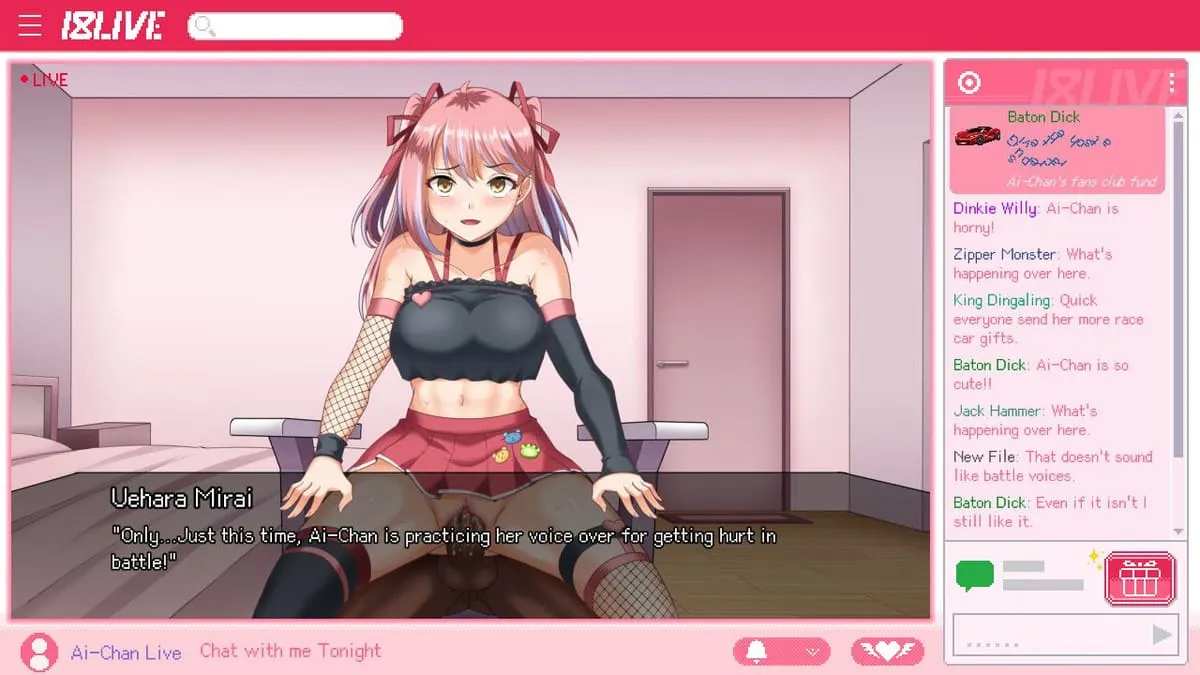
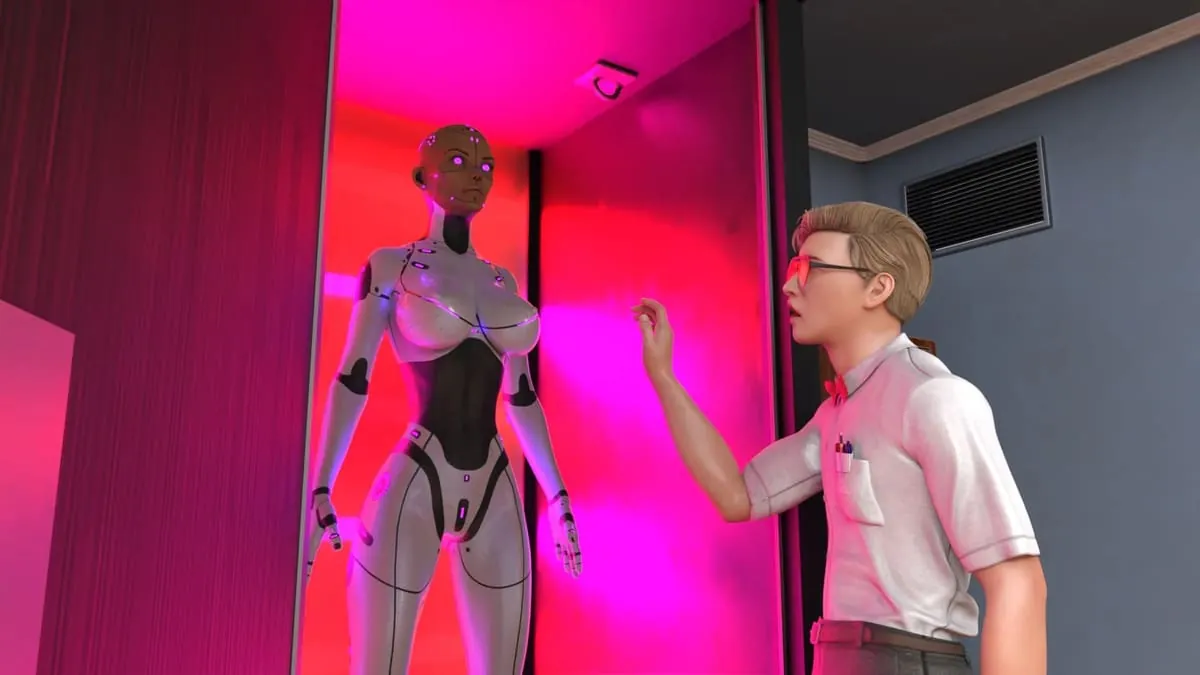
Bad Memories Screenshots
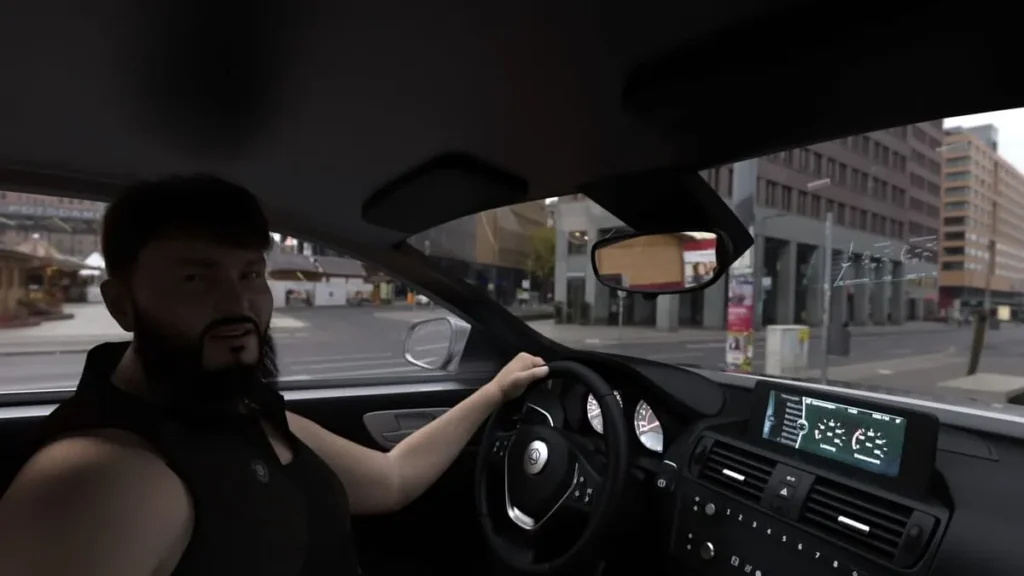





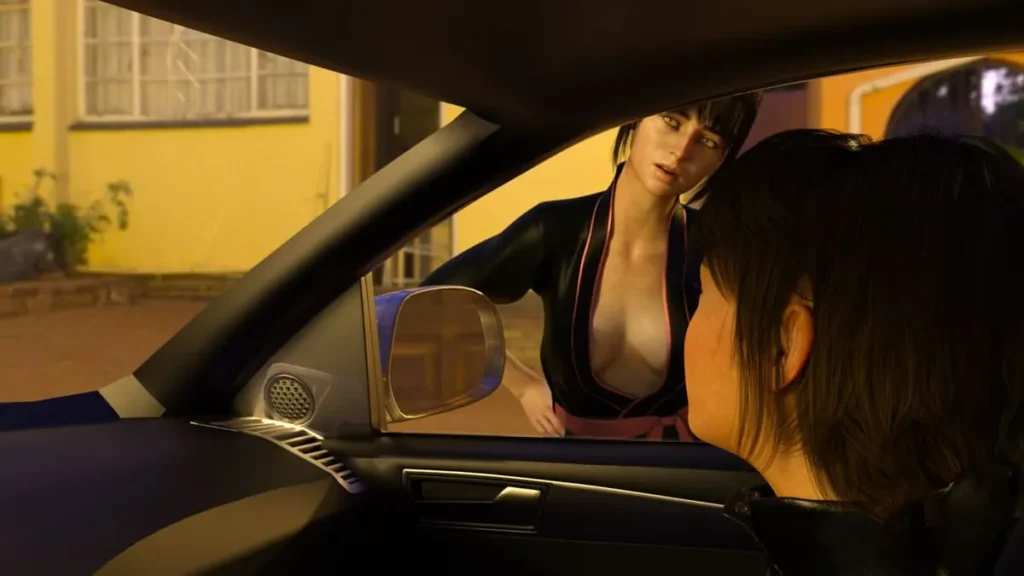

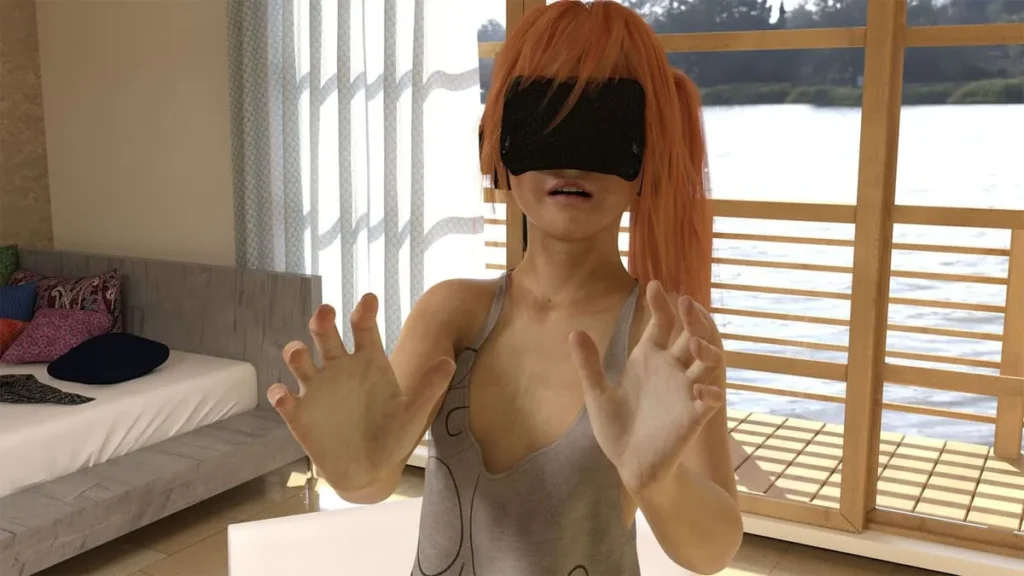
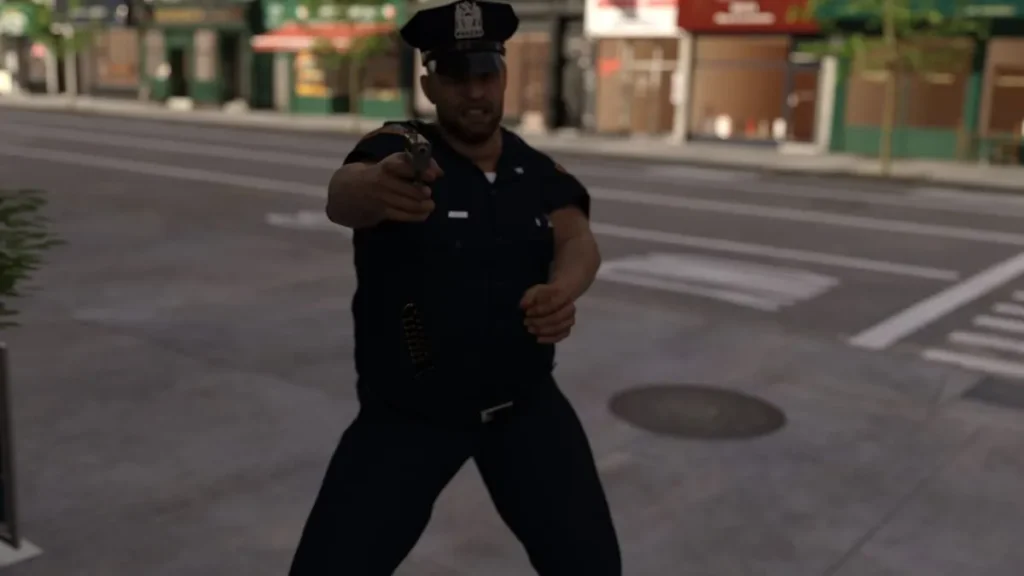







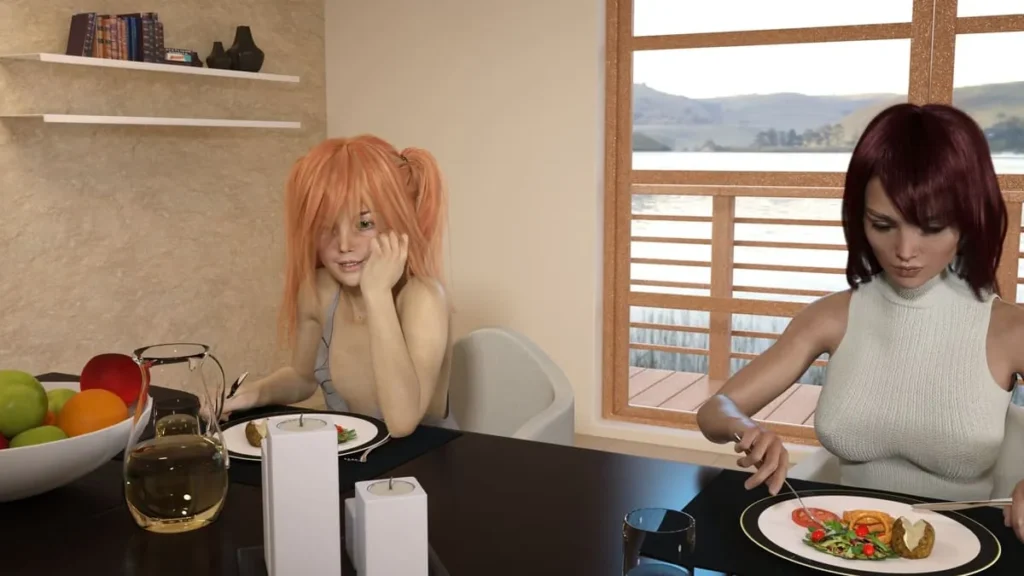

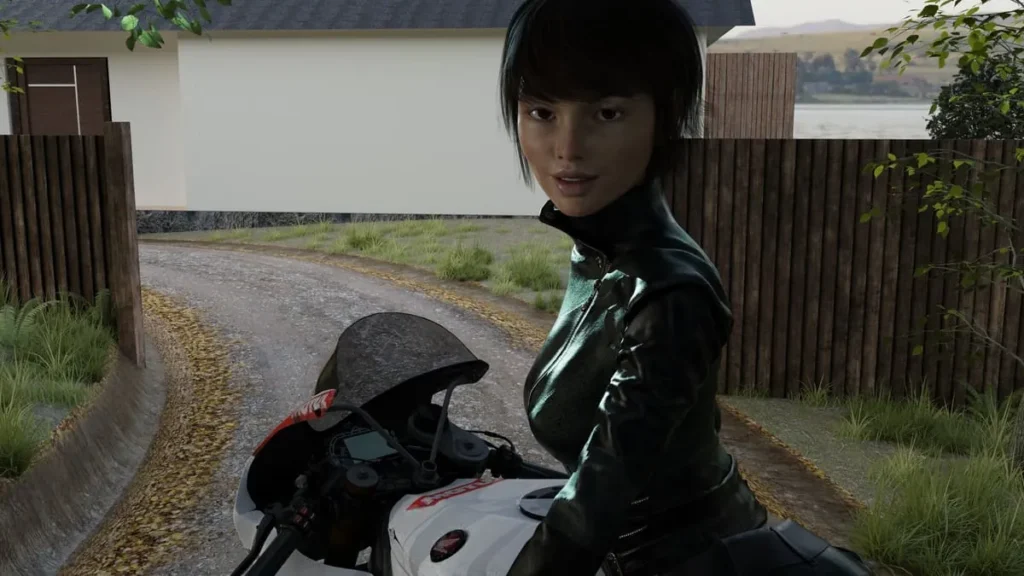

Bad Memories review
Explore choices, relationships, and story outcomes in this choice-based visual novel
Bad Memories is a choice-based visual novel that puts player decisions at the center of the experience. This interactive narrative game features branching storylines where your choices directly impact character relationships, story progression, and available scenes. Whether you’re playing as a male or female protagonist, the game offers multiple paths through its narrative, with different outcomes based on your decisions throughout each day. Understanding the game’s mechanics, character interactions, and choice consequences can significantly enhance your gameplay experience and help you discover all the content this dynamic visual novel has to offer.
Understanding Bad Memories: Game Overview & Mechanics
Ever found yourself clicking through a game, making what feels like an inconsequential dialogue choice, only to have it come back to haunt you hours later? 😱 That delicious, gut-wrenching moment of “oh no, I did that” is the entire heartbeat of Bad Memories, a choice-based visual novel that masterfully turns your decisions into the architect of your own narrative fate. If you’re new to this world or just looking to understand its inner workings, you’ve come to the right place. This Bad Memories gameplay guide will break down everything from its core choice-based game mechanics to how every whisper of a decision you make crafts a unique story.
Let’s dive into what makes this interactive narrative game such a captivating experience.
What Is Bad Memories and How Does It Work?
At its core, Bad Memories is a visual novel story choices powerhouse. Imagine a graphic novel where you are not just a reader, but the co-author. The game presents you with a story—rich with character, emotion, and tension—and at critical junctures, it stops and asks, “What will you do?” Your job is to choose. There’s no jumping over platforms or managing inventory; the primary controller is your judgment and empathy. It’s a pure, focused interactive narrative game where the drama unfolds based on your input.
I remember my first playthrough. I approached it like any other game, picking options that seemed politely neutral, avoiding conflict. Big mistake. 🚫 By the middle of the story, characters were distant, opportunities had vanished, and the narrative felt hollow. That’s when it clicked: Bad Memories isn’t about finding a “correct” path; it’s about living with the path you carve. The character relationship system is always listening, always adjusting based on your words and actions.
The game is crafted by a solo developer, which is a crucial piece of context. This isn’t a factory-produced title; it has a distinct, personal touch. You can feel the developer’s focus on crafting meaningful branches rather than bloated content. This dedication is why the choice-based game mechanics feel so cohesive—every possible branch, every reaction, has been carefully considered to ensure your decisions carry authentic weight. You can find this labor of love primarily on platforms like Itch.io, where it stands as a testament to how powerful a focused, well-executed narrative can be.
Pro Tip: Don’t try to “game” the system on your first run. Play intuitively. Your genuine reactions will lead to the most memorable—and often most surprising—story outcomes.
So, how does it function technically? The game operates on a day-based structure (Day 0, Day 1, etc.). Each day presents key moments where you must make a choice. These aren’t isolated events. The game has a hidden ledger, tracking your affinity with characters, your moral standing, and key story flags you’ve triggered. This internal tracking is the engine of the Bad Memories visual novel experience, silently shaping which scenes you’ll see next, how characters address you, and ultimately, which ending you will unlock.
Protagonist Options: Male vs. Female Playthroughs
One of the first and most impactful choices you make in Bad Memories happens before the story even properly begins: choosing your protagonist. This isn’t a simple cosmetic switch. The Bad Memories protagonist options of a male or female lead are gateways to meaningfully different narrative experiences. The game’s world reacts to you, and your chosen identity is a fundamental part of that reaction.
Choosing your avatar is a major part of the Bad Memories gameplay guide strategy because it influences available story paths and social dynamics. From my experience, playing through both perspectives isn’t just for completionists; it’s like experiencing two sides of the same compelling story. The core plot beats remain, but the nuances, the subtext in conversations, and even some relationship opportunities can shift.
For instance, some characters might interact with a male protagonist with competitive bravado but approach a female protagonist with protective concern (or vice-versa). These aren’t just dialogue swaps; they change the emotional texture of the scenes. The solo developer has done a remarkable job ensuring each path feels tailored, not just reskinned. It significantly boosts the replay value of this choice-based visual novel.
To help you visualize the differences, here’s a breakdown:
| Aspect | Male Protagonist Playthrough | Female Protagonist Playthrough |
|---|---|---|
| Narrative Perspective | Often explores themes of expectation, rivalry, and societal pressure from a masculine-coded lens. Internal conflicts may center on strength and emotional restraint. | Frequently engages with themes of agency, perception, and resilience through a feminine-coded perspective. Conflicts might involve navigating nuanced social hierarchies and asserted autonomy. |
| Relationship Dynamics | Certain character relationships may default to a “bromance” or competitive friendship route. Romantic pursuits with specific characters are exclusive to this path. | Interactions can feature different forms of alliance and intimacy. Exclusive romantic routes with particular characters become available, altering key story moments. |
| Exclusive Content & Scenes | Access to scenes that delve into male-centric social settings (e.g., specific locker room talks, boys’ night out scenarios) that drive the plot forward in unique ways. | Access to scenes set in feminine-coded spaces and conversations that reveal plot-critical information not found in the male route, offering alternative clues and insights. |
| Character Reactions | Supporting characters may challenge your authority more directly or confide in you differently based on perceived camaraderie. | Characters might underestimate you initially, offering dramatic opportunities to subvert expectations. Vulnerabilities are often shared differently. |
✨ The key takeaway? Your choice of protagonist is your first major visual novel story choice. It sets the stage for everything to come and is a brilliant example of how deep the character relationship system goes. I highly recommend planning at least two playthroughs to see how the story breathes differently with each perspective.
Choice-Based Gameplay and Consequence System
This is where Bad Memories truly shines and separates itself from less rigorous narrative games. The choice-based game mechanics here are not an illusion. This isn’t a game with a “good” branch and a “bad” branch; it’s a complex web of cause and effect. Every decision, from a major moral dilemma to a seemingly throwaway comment, is a pebble tossed into a pond. The ripples will reach shores you didn’t even know existed. 🌊
The system is built on a foundation of days. On Day 0, you might make a choice about how to handle a fragile secret. That choice sets a hidden flag. When you reach Day 2, the game checks that flag. Depending on its state, an entire conversation might change, a character might be absent, or a new, volatile option might appear on your screen. This creates an incredibly organic feeling of a living story. The Bad Memories visual novel format is perfect for this, as the focused presentation amplifies the impact of each altered line of text or new piece of character artwork.
Let’s talk about the character relationship system, the true backbone of the experience. It’s not a simple “like/dislike” meter you can max out. Relationships in Bad Memories are multi-faceted. A character can:
* Trust you but disapprove of your methods.
* Be romantically interested but feel betrayed by your past actions.
* See you as an ally of convenience while secretly plotting against you.
The game tracks these nuanced states, and they directly determine which pathways through the story remain open to you. Want to confess your feelings to a specific character? That option will only appear if you’ve hit the correct combination of story flags and relationship thresholds through your previous visual novel story choices.
Personal Insight: In one playthrough, I chose to be brutally honest early on to gain a character’s respect. It worked! But later, when I needed their compassion, it was utterly unavailable. My earlier choice had cemented our dynamic in a way I couldn’t undo. It was frustrating, heartbreaking, and absolutely brilliant game design.
For the achievement hunters and completionists, this means Bad Memories demands multiple playthroughs. You can’t just save-scum before every choice; some consequences are locked in hours before they manifest. This design philosophy encourages you to commit to a personality for your protagonist and see it through to its often-messy conclusion. It’s a masterclass in interactive narrative game design, proving that constraints and consequences make a story more powerful, not less.
To navigate this, here’s some actionable advice for your Bad Memories gameplay guide strategy:
* Embrace Role-Playing: Decide who your protagonist is at the start. The loyal friend? The ambitious outsider? Stick to that personality for consistent, though unpredictable, results.
* Observe Reactions: Pay close attention to subtle changes in dialogue and character expressions after a choice. They are your best clues to the hidden state of the character relationship system.
* Accept the “Bad” Memories: The game is called Bad Memories for a reason. Not every ending will be sunny. Some of the most powerful and memorable narratives come from failure, loss, and regret. These outcomes are not failures on your part; they are valid, compelling stories.
Ultimately, the consequence system in Bad Memories transforms it from a simple story you read into a story you live and own. Every heartbreak, every triumph, every strained silence is a direct result of your hand on the wheel. This profound connection between player action and narrative reaction is what makes this choice-based visual novel an unforgettable experience, showcasing the incredible potential of patient, solo-developed passion projects in the gaming world.
Bad Memories stands out as a choice-driven visual novel that places significant emphasis on player agency and narrative consequence. The game’s branching storyline system, diverse character relationships, and multiple protagonist options create a rich experience that rewards exploration and replay. Understanding the game’s mechanics, from daily progression to relationship tracking and choice consequences, allows players to navigate the narrative more intentionally and discover the full scope of available content. Whether you’re experiencing your first playthrough or exploring alternative story paths, the game offers meaningful decisions that shape your journey through its interactive narrative. The developer’s commitment to creating content for both protagonist versions, despite the technical challenges of solo development, demonstrates a dedication to player choice and inclusivity. As the game continues to receive updates and expansions, players can look forward to additional story branches, character development, and new relationship possibilities that will further enrich the Bad Memories experience.