Become a Rock Star
Play Become a Rock Star
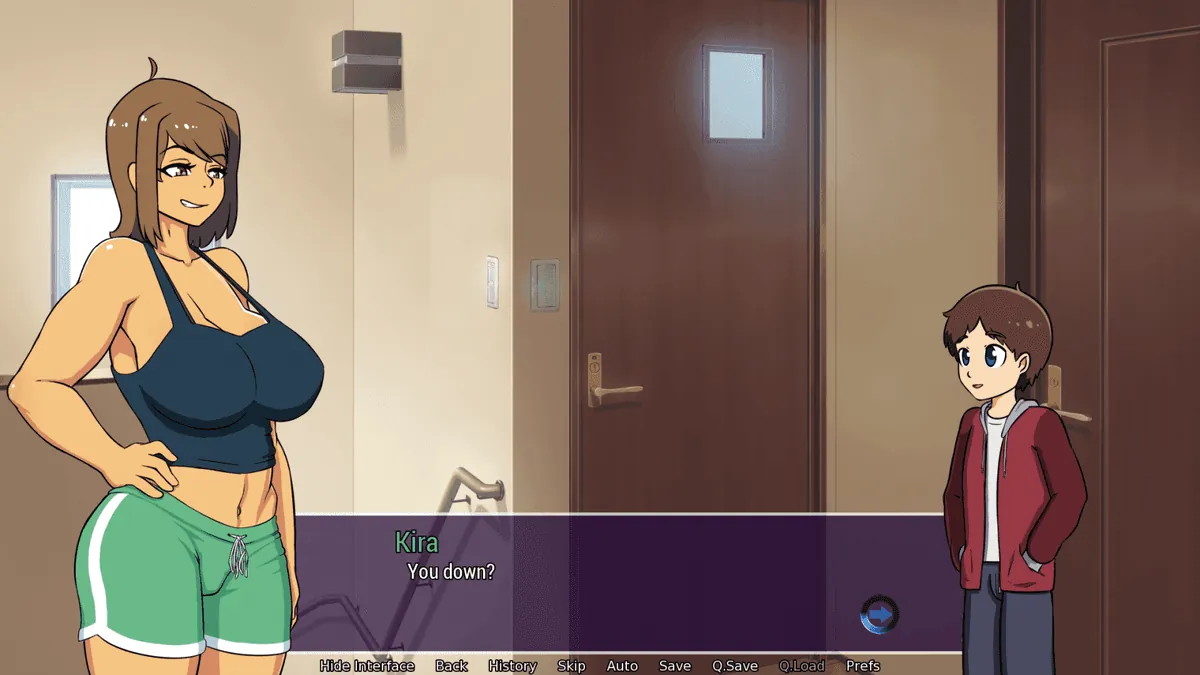
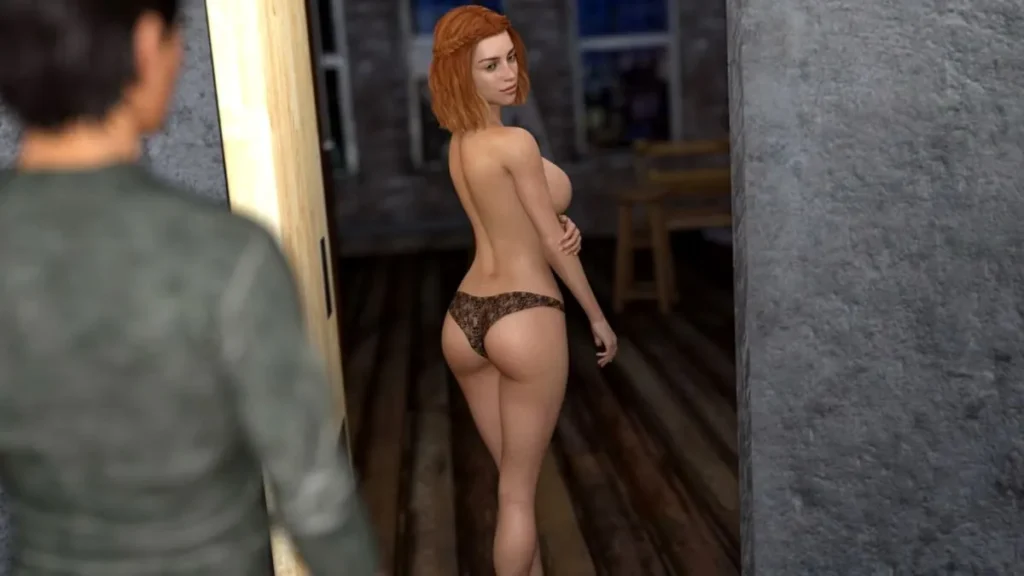
Become a Rock Star Screenshots














Become a Rock Star review
Master every path, character relationship, and decision in this narrative-driven experience
Become a Rock Star is a choice-driven narrative game that puts you in control of your musical journey and personal relationships. With multiple character paths, branching storylines, and relationship point systems, the game offers significant replay value and hidden content that rewards careful decision-making. This guide covers essential mechanics, character routes, relationship progression strategies, and hidden triggers that shape your experience. Whether you’re pursuing specific character paths or maximizing relationship points, understanding the game’s core systems will help you unlock all available content and achieve your desired outcomes.
Understanding Game Mechanics and Relationship Systems
Ever spent hours pouring your heart into a narrative game, only to realize you missed a crucial scene with your favorite character because you chose the wrong dialogue option three chapters ago? 😫 I sure have. When I first played Become a Rock Star, I was so immersed in the music and drama that I completely fumbled my chances with Lisa, ending up on a path I never intended. It felt like my guitar was out of tune for the rest of the playthrough!
That’s why understanding the game’s inner workings isn’t about cheating the experience—it’s about unlocking the full, rich story you want to see. This chapter is your backstage pass to the mechanics that drive every laugh, every conflict, and every romantic connection in this narrative-driven adventure. We’re pulling back the curtain on the Become a Rock Star relationship points system, the character paths and routes that define your journey, and the elusive hidden triggers gameplay mechanics that separate a good playthrough from a legendary one. 🎸
By the end, you’ll know exactly how to track your RP gains by character, strategize your narrative choice system inputs, and navigate the branching storyline mechanics to craft your perfect rock and roll tale.
How Relationship Points Work in Become a Rock Star
Think of Relationship Points (RP) as the silent, invisible currency of your rockstar life. Every conversation, every gesture, and every decision is a transaction. This Become a Rock Star relationship points system is the core engine that determines who trusts you, who desires you, and who ends up slamming a door in your face. 🧮
Unlike some games that broadcast “+1 Friendship!” with big pop-ups, Become a Rock Star is often more subtle. Points are awarded (or deducted) silently in the background based on your choices. Each main character—Lisa, Marie, and Eva—has their own independent RP meter. Accumulating enough points with a specific character unlocks new dialogue branches, special scenes, and ultimately, access to their unique character paths and routes.
Here’s the golden rule: not all choices are created equal. A simple polite agreement might net you +1 RP, while a bold, character-specific gesture of understanding could be worth +3 or more. The key is understanding what each character values.
Pro Tip: Marie, the disciplined bandmate, respects professionalism and dedication. Lisa, the free spirit, is drawn to creativity and boldness. Eva, the industry insider, values ambition and savvy. Choosing options that align with their core personality yields the biggest rewards.
So, what are you working toward? Minimum thresholds. To unlock a character’s most intimate and plot-critical scenes, you’ll need to reach certain RP milestones. A common benchmark is needing 6 RP with a single character by a specific chapter to unlock their romantic path. Fall short, and that path gently but firmly closes, rerouting your story. This is where the branching storyline mechanics truly kick in, as your cumulative RP directs the narrative flow.
To make this concrete, let’s look at some early-game examples. The following table breaks down specific choices and their typical RP impact. Remember, context matters, but this gives you a strategic foundation.
| Choice Context | Option Selected | Primary RP Gain | Value |
|---|---|---|---|
| First meeting with Lisa at the bar. | “I love the raw energy in your voice.” | Lisa +2 | High |
| Discussing band practice with Marie. | “We need a stricter rehearsal schedule.” | Marie +2 | High |
| Eva asks about your musical influences. | “I’m more interested in modern chart-toppers.” | Eva +1, Lisa -1 | Mixed |
| Resolving a dispute between Lisa and Marie. | Side with Marie’s logistical point. | Marie +3, Lisa -2 | Polarizing |
Tracking this progress is vital for route control. Since the game doesn’t have a built-in tracker, here’s my foolproof method for monitoring your RP gains by character:
- Open Your Game Save File: The game often logs key decisions and RP changes in accessible files.
- Use the Text Search (Ctrl+F): This is your most powerful tool. 😎
- Search for Character Names: Type “Lisa,” “Marie,” or “Eva” to find all flags associated with them.
- Look for Point Indicators: Scan for terms like “_RP”, “points”, “affection”, or numerical values near the character’s name.
- Cross-Reference with Key Scenes: Before a major story branch, check your file to see your approximate standing with each character.
This method lets you audit your playthrough and make informed saves before big decisions, ensuring you know exactly how to unlock scenes you’re targeting.
Character Paths and Route Selection
This is where your journey truly diverges. Become a Rock Star isn’t about dating everyone at once; it’s about choosing whose story you become intertwined with. The character paths and routes system is elegant but decisive. Early in the game, you’ll make choices that subtly funnel you toward one of the three main love interests: the passionate singer Lisa, the dedicated bassist Marie, or the powerful manager Eva. 🎭
You can think of the first few chapters as a “soft lock” period. You can gain RP with everyone, but you’re subconsciously signaling your primary interest. The game then presents a few critical narrative choice system moments—often a private conversation or a decision about who to support—that solidify your route. Once you’re on a specific path, the story’s focus, available scenes, and ultimate endings reshape themselves around that central relationship.
Here’s a case study from my own playthroughs:
* Playthrough 1 (The Lisa Path): I consistently chose creative, impulsive options. I supported Lisa’s musical ideas, even when they were risky, and bonded over spontaneous jam sessions. When the critical choice came to comfort her after a tough performance or debrief strategically with Marie, I chose Lisa. The branching storyline mechanics then delivered a narrative filled with artistic collaboration and volatile, passionate moments.
* Playthrough 2 (The Marie Path): Here, I prioritized the band’s stability. I agreed with Marie’s practical concerns, emphasized punctuality, and framed our success as a team effort. This path locked in when I chose to help Marie with logistics instead of going on an impulsive outing with Lisa. The resulting story was one of deep partnership, built on trust and shared goals, with a very different emotional tone.
Crucial Insight: You cannot max out every path in one run. The game’s branching storyline mechanics are designed for replayability. Choosing one character often means passively refusing or missing opportunities with another. This isn’t a flaw—it’s what makes each playthrough a unique, personal story.
To navigate this, you must specialize. Once you identify the character you resonate with, double down on choices that please them, even if it costs points with others. The Eva Path, for instance, often requires making business-savvy choices that might seem cold to Lisa or overly corporate to Marie. Understanding these character paths and routes from the outset prevents the heartbreak of a mid-game romantic dead end.
Hidden Triggers and Their Impact on Gameplay
Now, let’s talk about the game’s secret sauce: the hidden triggers gameplay mechanics. If RP are the currency, then hidden triggers are the vaults, trapdoors, and secret passages of the narrative mansion. These are specific conditions—often combinations of RP thresholds, previous choices, and even in-game items or knowledge—that must be met to activate special scenes, dialogues, or future choice options. 🔍
These triggers are what make community walkthroughs so essential. You might have 6 RP with Lisa, but without having also completed a specific side activity or learned a key piece of backstory in Chapter 2, her most vulnerable scene in Chapter 5 will never appear. The game doesn’t tell you this; it simply presents a slightly different, less intimate version of the event.
For example, unlocking a certain intense confrontation with Eva might require:
1. Having at least 5 RP with her by Chapter 4.
2. Having chosen to read a specific business email on your computer in Chapter 3.
3. Not having badmouthed her industry contacts in an earlier conversation.
Miss any one of these hidden triggers, and the scene defaults to a more superficial professional meeting. This system adds incredible depth and rewards thorough, attentive play. It’s the reason why two players on the same basic “Eva Path” can still have meaningfully different experiences.
These mechanics are deeply tied to the how to unlock scenes puzzle that drives completionists. To master them:
* Explore Ruthlessly: Click everything. Read every laptop email, examine every item in your apartment, and talk to every character at every opportunity.
* Keep Detailed Notes: Jot down when you discover character birthdays, fears, or past histories. These details are often trigger keys.
* Consult Multiple Saves: Before a chapter ends, save. If you feel you missed something, replay the chapter while making different exploratory choices to see what new information you can find.
Mastering these hidden triggers gameplay mechanics transforms the game from a linear story into a dynamic web of cause and effect. It ensures that your narrative choice system inputs have lasting, sometimes hidden, consequences that pay off hours later.
Remember: Become a Rock Star is an adult game featuring mature themes and explicit content. It’s intended for a mature audience, and these relationship and trigger systems are the gateways to that adult narrative content. Always ensure you meet the age requirements for this kind of experience.
Ultimately, wielding this knowledge—of the delicate Become a Rock Star relationship points system, the decisive character paths and routes, and the intricate hidden triggers gameplay mechanics—empowers you to move from a passive passenger to the author of your own rock saga. You’ll no longer wonder about your RP gains by character; you’ll orchestrate them. You won’t stumble into a path; you’ll choose it with confidence. This understanding is the final instrument you need to master to truly Become a Rock Star. 🎸✨
Become a Rock Star delivers a complex narrative experience where your decisions genuinely matter. By understanding the relationship point system, character paths, and hidden triggers, you can navigate the game with confidence and unlock the content that interests you most. Whether you’re pursuing specific character routes or exploring all available paths, the game rewards experimentation and careful attention to dialogue choices. Take time to explore different decision branches, track your relationship progress, and pay attention to how early choices shape your available options later in the game. Your journey to becoming a rock star is uniquely yours—make choices that align with the story you want to experience.