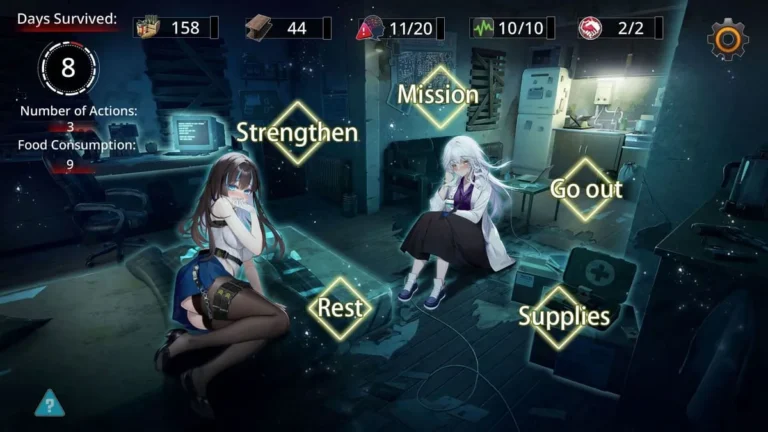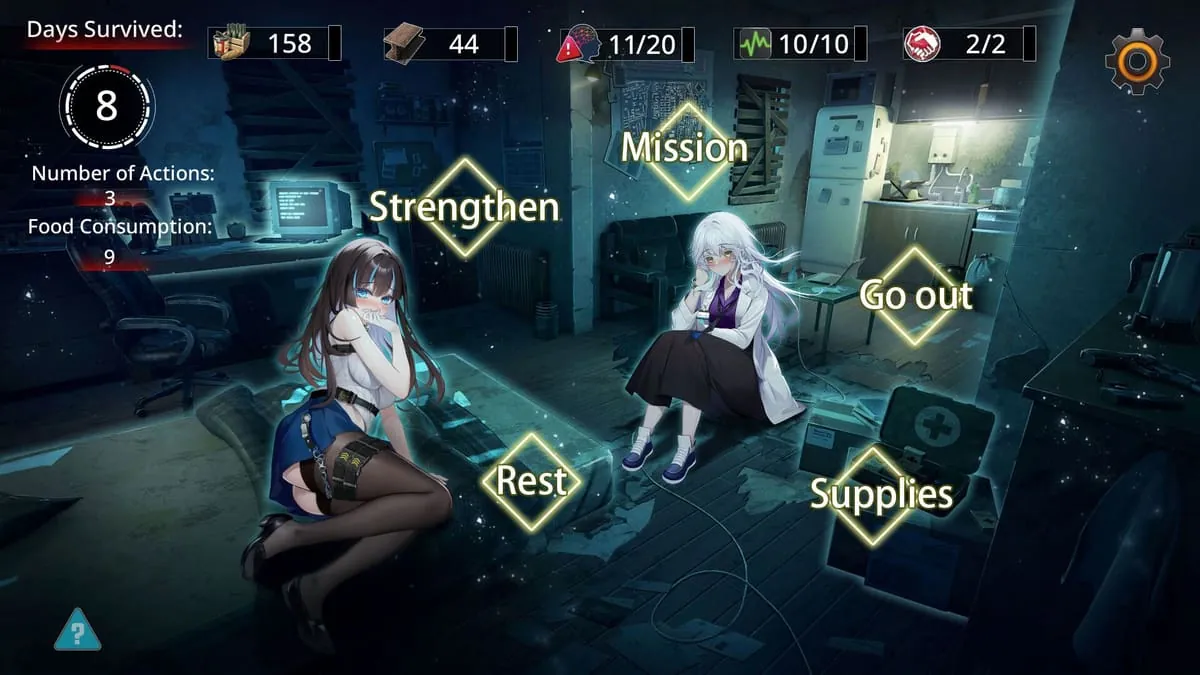
Fatal Countdown – immoral List of Desires Screenshots
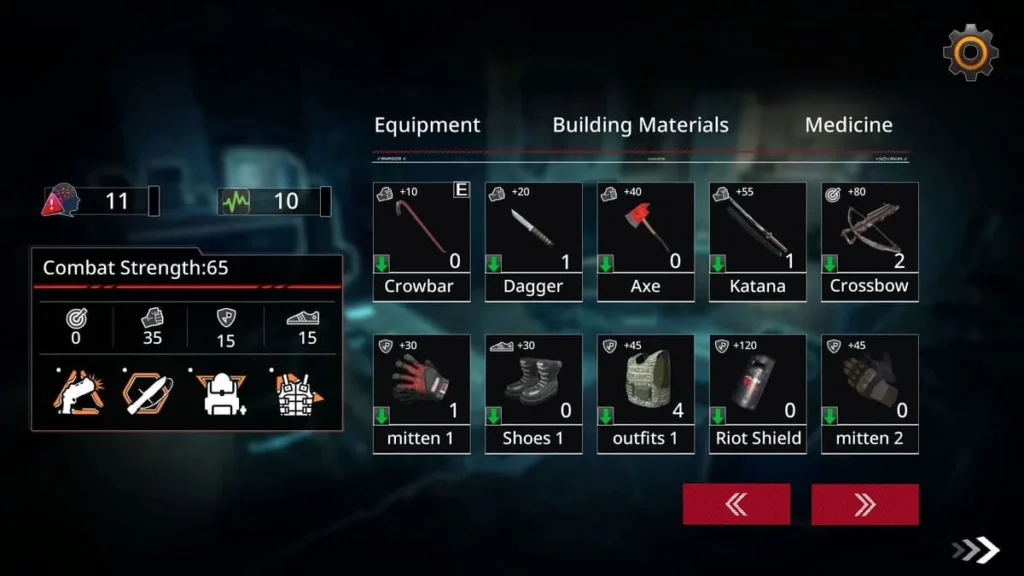





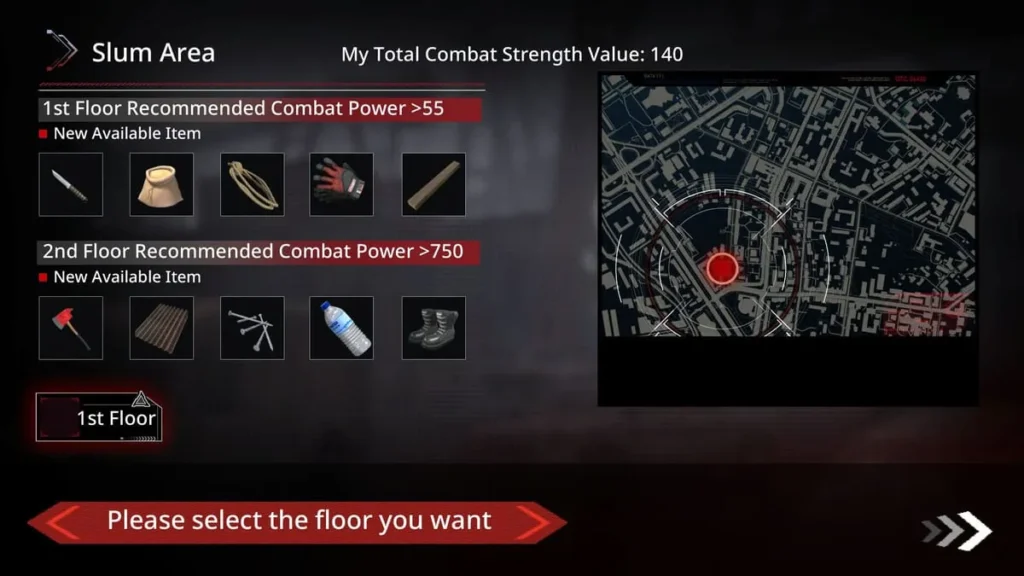

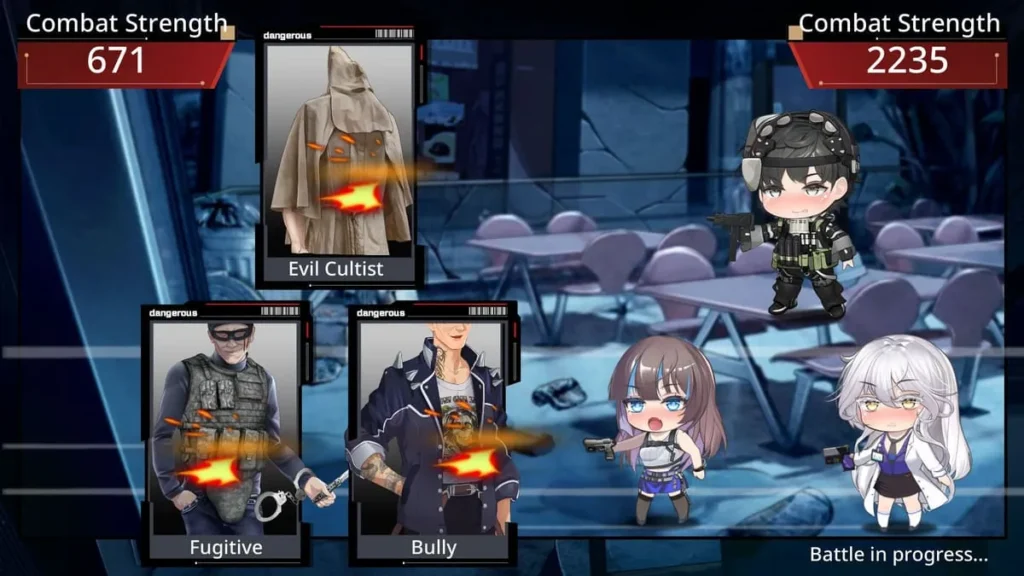

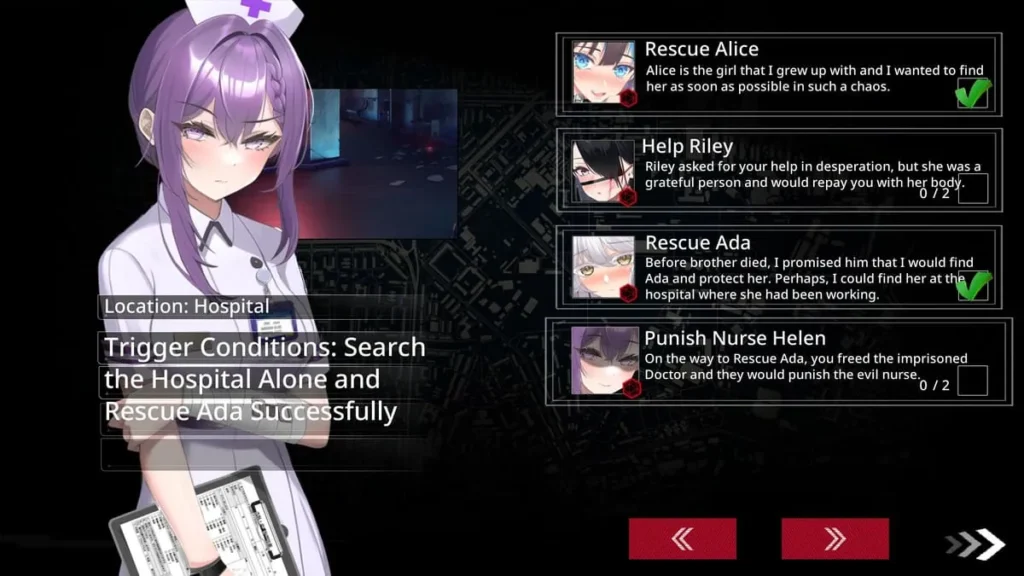
Fatal Countdown – immoral List of Desires review
Master survival, strategy, and unlockables in this post-apocalyptic visual novel
Fatal Countdown – Immoral List of Desires is a unique blend of visual novel storytelling and survival simulation set in a post-apocalyptic world. Released in April 2024, this game combines narrative depth with strategic resource management and character interaction systems. Whether you’re interested in understanding the game’s mechanics, unlocking all content, or navigating the multiple endings, this guide covers everything you need to know about this intense survival experience. The game challenges players to manage an asylum, maintain psychological stability, and make critical decisions that shape the story’s outcome across 31 days of gameplay.
Understanding Fatal Countdown – Immoral List of Desires: Core Gameplay and Features
Ever loaded up a game expecting a straightforward story, only to be hit with a spreadsheet, a survival horror scenario, and a ticking clock, all at once? 😅 That was my exact experience with Fatal Countdown – Immoral List of Desires. I thought I was sitting down for a dark visual novel, but within the first in-game day, I was frantically clicking to gather scraps of wood, calculating if I had enough medicine for the wounded, and desperately trying to keep my own character from losing his mind. It was overwhelming, thrilling, and completely unique. If you’re here, you probably want to master that beautiful chaos. Let’s break it down.
What Makes This Game Unique: Hybrid Gameplay Systems
At its heart, Fatal Countdown is a masterful blend of genres that creates a deeply immersive and stressful (in the best way!) experience. Calling it just a “visual novel” doesn’t do it justice. It’s a survival simulation visual novel with the strategic depth of a management game and the progression hooks of an RPG. You’re not just reading a story; you are actively fighting to write it through every decision.
The core Fatal Countdown gameplay mechanics force you to wear multiple hats. One moment, you’re the empathetic leader, bonding with a companion through conversation choices. The next, you’re the hardened quartermaster, deciding if you use your last can of food to boost morale today or save it for a tougher tomorrow. Finally, you’re the fortress commander, barricading windows and assigning watch shifts. This constant role-switching is what makes the 31-day timeframe feel so intense and consequential.
To visualize how these systems interact, here’s a breakdown of the core pillars:
| Game System | Core Function | How It Feels in Play |
|---|---|---|
| Survival | Manages core life metrics: Hunger, Thirst, Health, and the critical Psychological Stability (Sanity). | Constant, low-level anxiety. You’re always checking bars, treating wounds, and fighting off despair. Letting sanity drop unlocks powerful but risky “Insanity” actions. |
| Management | Governs resource management strategy for items (Food, Water, Medicine, Materials) and base facilities (Workshop, Infirmary). | Being a pragmatic, sometimes cruel, strategist. Every item has an opportunity cost. Upgrading the water filter might mean no wood for barricades tonight. |
| RPG | Handles character stats (Strength, Agility, Intelligence), skill checks, equipment, and combat readiness. | Preparing your character for the unknown. Sending a stronger character to scavenge yields more loot. A smarter character might find a hidden escape route during an event. |
| Visual Novel | Drives the narrative through the character interaction system, branching dialogues, and 100+ stunning Full-Motion CG scenes. | Emotional engagement and narrative payoff. Your relationships directly unlock support abilities, reveal secret story paths, and are key to achieving the best multiple endings Fatal Countdown has to offer. |
This hybrid approach means failure can come from any direction. In my first playthrough, I was a stellar resource manager—our asylum was stocked! But I completely neglected the character interaction system. When a critical moment arrived, my companions, who I barely knew, didn’t trust my lead, and a key alliance fell apart. Game over. It was a brutal lesson that every system is interconnected.
Game Features and Content Overview
So, what exactly are you managing in this post-apocalyptic pressure cooker? Let’s dive into the key components you’ll be juggling. 🧠⚙️
- Resources & Crafting: You’ll hunt for Food, Water, Medicine, and raw Materials. These aren’t just numbers; they’re lifelines. The crafting system lets you turn scrap into vital tools, medical supplies, or weaponry. Do you spend your metal reinforcing the gate or crafting a much-needed backup knife?
- Character Companions: You’re not alone in the asylum. The other survivors each have their own stories, traumas, and skills. Your dialogue choices and actions build (or break) trust with them. A companion with high trust might share their secret stash or take a watch shift for you when you’re exhausted.
- Asylum Defense Mechanics: Your shelter is under constant threat. The asylum defense mechanics involve setting up barricades, setting watches, and sometimes directly fighting off intruders or worse. Preparation is everything—a weak defense will see your hard-earned supplies plundered.
- The 100 CG Scenes: These aren’t just collectibles. The gorgeous Full-Motion CG segments are rewards for key story milestones, successful survival checks, and deepening relationships. They provide crucial visual story information and are often the payoff for making it through a tough sequence.
- Sanity & The Insanity System: This is the game’s masterstroke. Your Psychological Stability depletes from witnessing horrors, making hard choices, or just from the grinding stress of survival. As it drops, you gain access to “Insanity” options in events—desperate, often violent, or irrational choices that can solve immediate problems but at a massive cost to your relationships and long-term mental state. It’s a constant risk-reward gamble.
Pro Tip: Don’t fear low Sanity entirely. Sometimes, an “Insanity” action is the only way to survive a seemingly impossible event. I once used one to scare off a hostile mob by acting completely unhinged—it worked, but my companions looked at me differently forever after.
The core gameplay loop is addictive: Click to gather resources during the day, manage your asylum’s facilities and companions in the evening, and make story-critical choices during narrative events. Every action consumes precious time, pushing you forward in the 31-day progression system.
How the 31-Day Progression System Works
This is the game’s beating heart and the source of its incredible tension. You have 31 in-game days until a mysterious “fatal countdown” concludes. Each day is divided into segments (Morning, Afternoon, Evening), and almost every action—scavenging, talking, crafting—consumes one. ⏳
The system creates an exquisite kind of pressure. You cannot do everything. A typical day might force you to choose between:
* Option A: Scavenge the ruined pharmacy (consumes 1 segment, chance to find Medicine, risk of encounter).
* Option B: Comfort a grieving companion (consumes 1 segment, improves their Trust, may raise your own Sanity).
* Option C: Repair the broken perimeter fence (consumes 1 segment, improves base defense).
Your choices across these 31 days build invisible “Game Values” that silently track your leadership style: Are you Merciful or Ruthless? Selfless or Self-Preserving? Do you uphold Law or embrace Chaos? These values, more than any single choice, are the hidden keys that lock or unlock the game’s multiple endings Fatal Countdown is famous for.
The progression isn’t linear; it’s phased:
- Days 1-10: Foundation & Crisis. You’re learning the systems, meeting companions, and facing the initial shock of the apocalypse. Survival is hour-to-hour. This is where you establish your core resource management strategy.
- Days 11-20: Consolidation & Conflict. Threats become more organized. Internal conflicts among survivors flare up. You must start specializing—who is your scavenger? Your medic? Your diplomat? Your asylum defense mechanics get their first real tests.
- Days 21-31: The Endgame. The countdown crescendos. Resources are scarce, threats are severe, and every relationship you’ve built (or burned) comes due. The narrative branches wildly here based on your accumulated Values and companion trust levels, leading to one of many dramatically different conclusions.
My biggest strategic insight? Plan in weekly blocks, not daily. Early on, dedicate a day purely to resource runs, even if it means neglecting conversations. Stockpile before a crisis hits. In the mid-game, schedule “relationship days” to deepen bonds before those companions are needed for critical story missions. The 31-day progression system rewards forethought and punishes reactivity.
Remember, Fatal Countdown – Immoral List of Desires is a game about embodied strategy. Your choices aren’t just narrative; they are logistical, emotional, and tactical. By understanding how its hybrid systems—the tense survival simulation visual novel core, the punishing resource management strategy, the delicate character interaction system, and the relentless 31-day progression system—all weave together, you stop being a passenger in the apocalypse. You become its architect, for better or worse. Now, go manage that fatal countdown. Your asylum awaits.
Fatal Countdown – Immoral List of Desires offers a compelling experience for players seeking a blend of narrative-driven storytelling and strategic gameplay. From understanding the hybrid systems that combine visual novel elements with survival mechanics to mastering the techniques for unlocking all content, this game rewards both casual players and completionists. The 31-day progression system creates meaningful choices that lead to multiple endings, while the defeat scene mechanics and CG gallery provide substantial replay value. Whether you’re managing resources at the asylum, navigating character relationships, or pursuing 100% completion, the game delivers a unique post-apocalyptic experience. Take time to explore different strategies, experiment with various character combinations, and discover how your decisions shape the story’s outcome across multiple playthroughs.