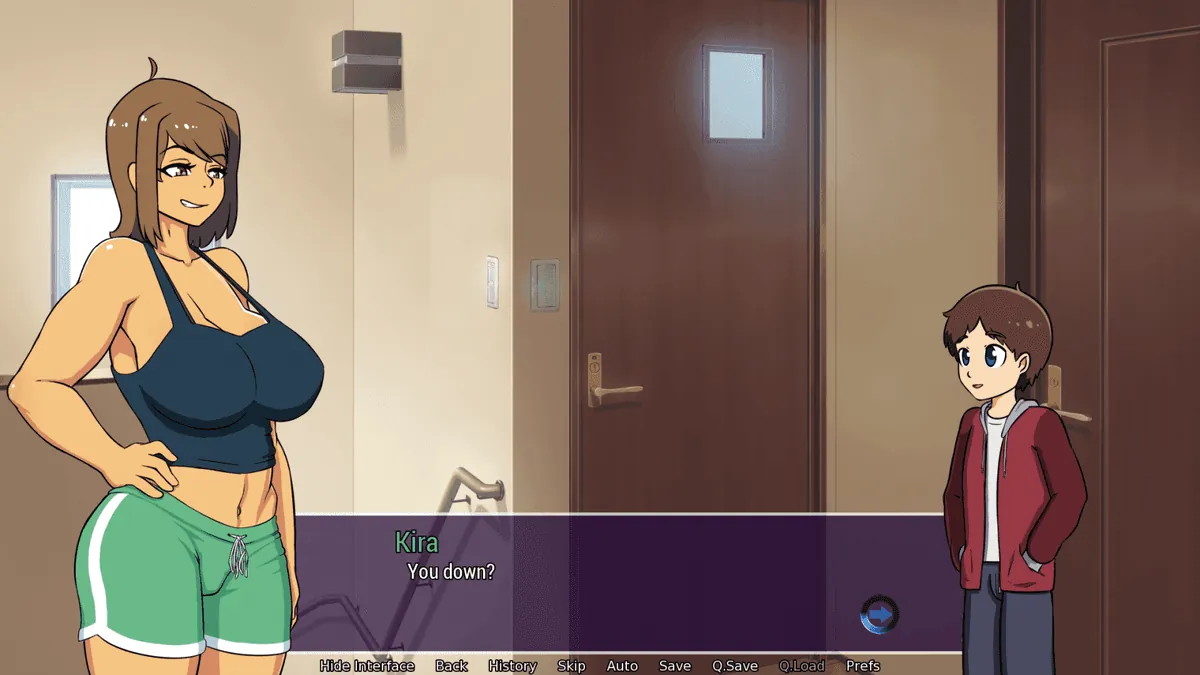
Project SAGE
Play Project SAGE
Project SAGE Screenshots
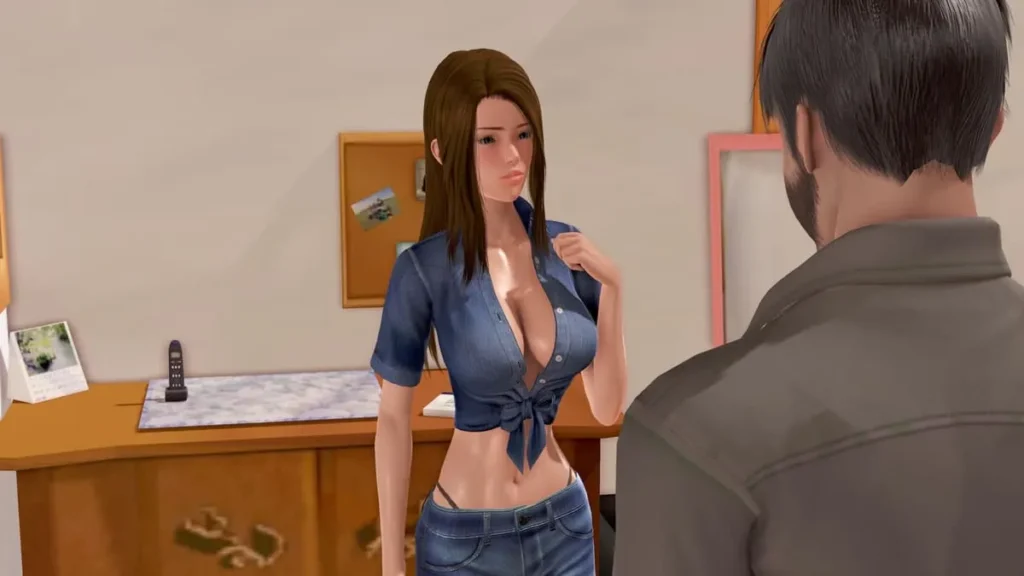




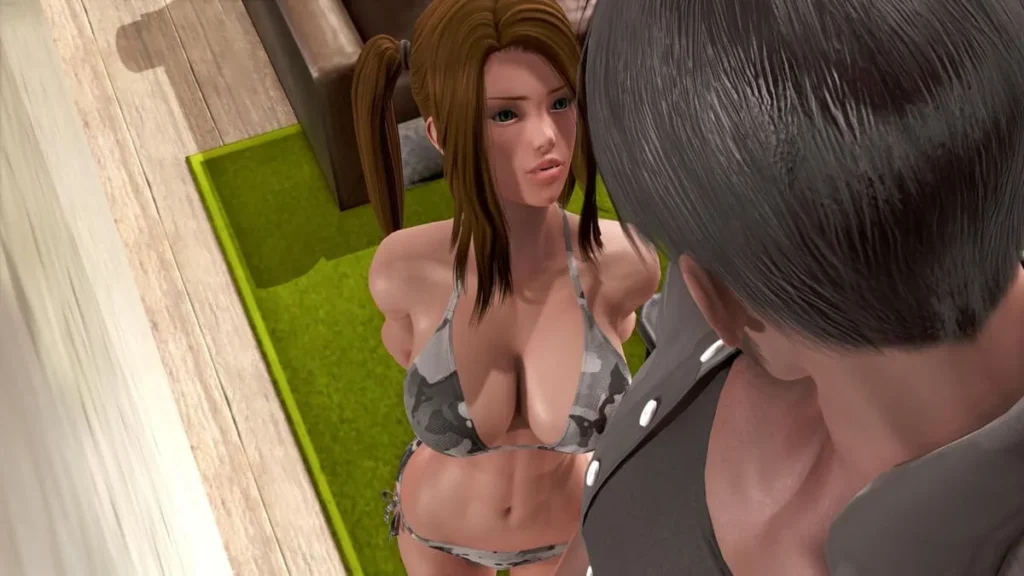
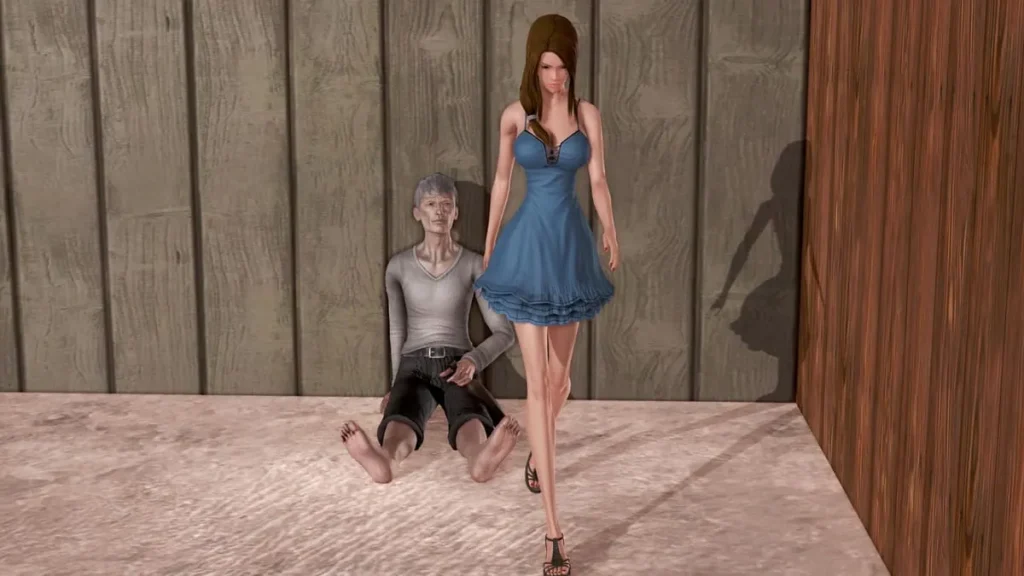
Project SAGE review
Explore the gameplay, story, and unique features of Project SAGE
Project SAGE is an adult visual novel game that combines immersive storytelling with interactive gameplay elements. Known for its rich narrative and character development, this game offers players a unique experience in the adult game genre. In this article, we will delve into what makes Project SAGE distinctive, covering its gameplay, story arcs, and player engagement features to give you a comprehensive understanding of the game.
Understanding Project SAGE: Gameplay and Mechanics
Alright, let’s get into it. You’ve heard the name, maybe seen some captivating artwork, and you’re wondering what the buzz is all about. 😏 Project SAGE isn’t just another title on your digital shelf; it’s an experience designed to pull you into its world and make your decisions truly matter. If you’re tired of linear stories where your input feels like an afterthought, you’re in the right place.
This chapter is your deep dive into the heart of the machine. We’re going to strip down the Project SAGE gameplay, explore its mechanics, and show you exactly how it turns reading into participating. Get ready to understand why this interactive visual novel has captured so much attention.
### What is Project SAGE?
At its core, Project SAGE is a narrative-driven adult visual novel that prioritizes player agency above all else. Think of it less as a book you click through, and more as a personalized story you directly author with every choice. 🎭 The “adult” designation isn’t just about thematic content; it’s about presenting mature, complex situations, relationships, and consequences that resonate with an older audience. It’s a world of intrigue, connection, and high stakes, where every interaction is tinged with potential.
The premise pulls you into a nuanced setting—often a blend of the familiar and the fantastical—where you navigate relationships, personal goals, and overarching plots. What sets Project SAGE apart is its unwavering commitment to the “novel” part of visual novel. The writing is dense, character-driven, and designed to make you care before it asks you to choose. This isn’t a quick distraction; it’s a story you live in.
From my first playthrough, I was struck by how it felt. I wasn’t just observing a protagonist; the game’s design made me become them. The gaps in the character’s thoughts were my gaps to fill with my own reasoning and desires. This foundational identity as a player-centric narrative is what every single one of the Project SAGE features is built upon.
### Core Gameplay Features
So, how does it all work? Let’s talk mechanics. The Project SAGE gameplay loop is elegantly simple on the surface but incredibly deep beneath. You read beautifully rendered text accompanied by stunning character art and backgrounds, and at key junctures, you make a decision. But calling them mere “decision points” sells them short. These are narrative forks, relationship builders, and trust tests all rolled into one.
The most significant feature is its branching storylines. This isn’t a story with three endings. We’re talking about a narrative tree so extensive that two players can have wildly different experiences within the first hour. A seemingly innocuous choice in Chapter 1 about how to spend your evening can determine which characters you bond with, which plot threads you uncover, and which challenges you’ll face chapters later.
Here’s a practical piece of advice from my own experience: play authentically the first time. Don’t try to game the system or guess the “best” outcome. The magic of Project SAGE is in seeing how your natural reactions shape the world. I once chose to be sarcastic with a seemingly minor character early on, only to find him as my sole, grudging ally in a critical situation much later. The game remembers everything.
To break down how these systems interconnect, let’s look at a comparison of its key mechanics:
| Feature | How It Works in Project SAGE | Player Impact |
|---|---|---|
| Choice & Consequence System | Timed and untimed decisions that affect story direction, character affinity, and available options. | Creates a deeply personal story; locks or unlocks entire scenes and character routes based on cumulative choices. |
| Relationship Dynamics | A hidden “affinity” score with each major character, influenced by dialogue, gifts, and story decisions. | Determines the tone of interactions, availability of intimate scenes, and which characters will support you in crises. |
| Resource & Stat Management | Managing traits like “Influence,” “Cunning,” or “Empathy” that can be checked during key story moments. | Certain dialogue or action paths only open if a stat is high enough, rewarding focused role-playing. |
| Branching Narrative Paths | A non-linear plot structure where major story beats can occur in different orders or not at all. | Massive replay value; your story can focus on mystery, romance, power struggle, or a unique mix. |
This interconnected web is what defines the Project SAGE gameplay. You’re not just picking from a list of pre-scripted outcomes; you’re gradually building the profile of your protagonist and their world through a thousand tiny nudges. The adult game mechanics here are about the maturity of consequence, not just content.
### Player Interaction and Choices
This is where the rubber meets the road. Visual novel interaction in Project SAGE is all about weight and feedback. Every click feels intentional. The game brilliantly uses its interface to heighten tension—like when a timed choice pops up as a stressful in-world decision, the ticking clock isn’t just a UI element; it’s your heart pounding. ⏱️
The player choices impact is both immediate and long-term. Immediately, you might see a character’s expression change in the accompanying artwork—a flicker of disappointment, a spark of interest. Long-term, the game weaves your decisions into the very fabric of the narrative. I recall a case study from the developer’s notes (echoed by player communities) where a mid-game moral choice didn’t just change an ending slide; it altered the primary antagonist for the rest of that playthrough for one player, because their actions had logically removed the original threat and created a new one from a former ally. That’s narrative cause and effect at its finest.
The game also masters subtlety. Not every choice is a dramatic, life-altering decree. Many are about building character. Do you offer comfort or push for information? Do you share a vulnerability or project strength? These micro-interactions define who you are in this world, and the other characters react to that perceived identity. This level of visual novel interaction fosters incredible immersion.
Pro Tip: Use the “Quick Save” feature relentlessly before big decisions. Not to cheat, but to create a “museum of possibilities.” It’s fascinating to jump back and explore how a single different word can send ripples through the entire story. It really shows you the craft behind the branching storylines.
Ultimately, the Project SAGE features surrounding choice are designed to eliminate the feeling of being a passive passenger. You are the driver, even when the road is unpredictable. This profound sense of agency—knowing that the story bends and breaks according to your will—is the game’s greatest achievement. It transforms it from a story you read into a story you live, breathe, and ultimately, own. 🏆 Your journey through Project SAGE will be uniquely, undeniably yours, and that is the highest compliment a game of this genre can be paid.
Project SAGE stands out as a compelling adult visual novel game thanks to its engaging storytelling and dynamic gameplay mechanics. The way player decisions shape the narrative creates a personalized experience that keeps players invested. Whether you are new to this genre or a seasoned player, Project SAGE offers a rich, interactive journey worth exploring. Dive in and discover the unique world it presents.