23 Sisters
Play 23 Sisters
23 Sisters Screenshots




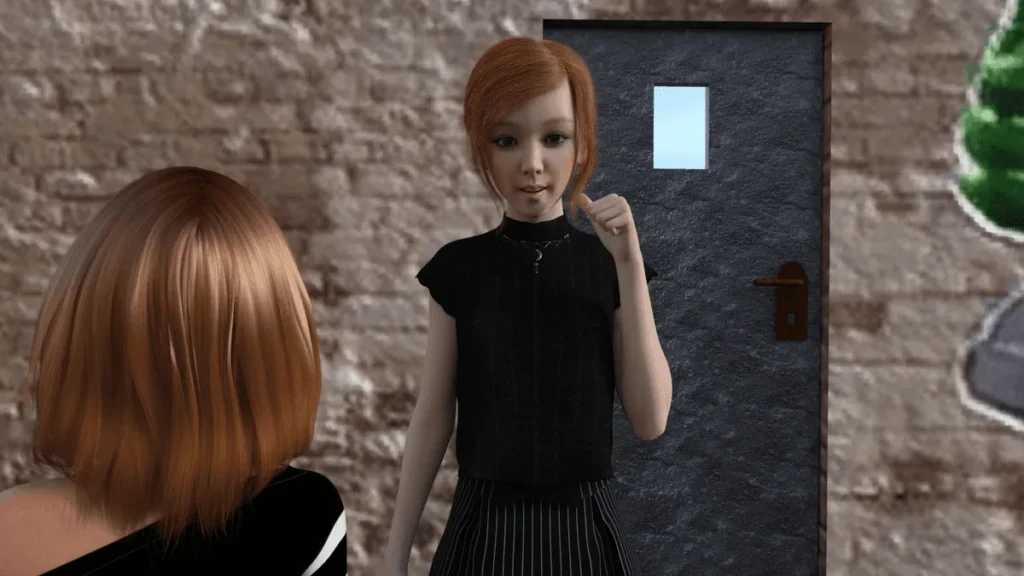



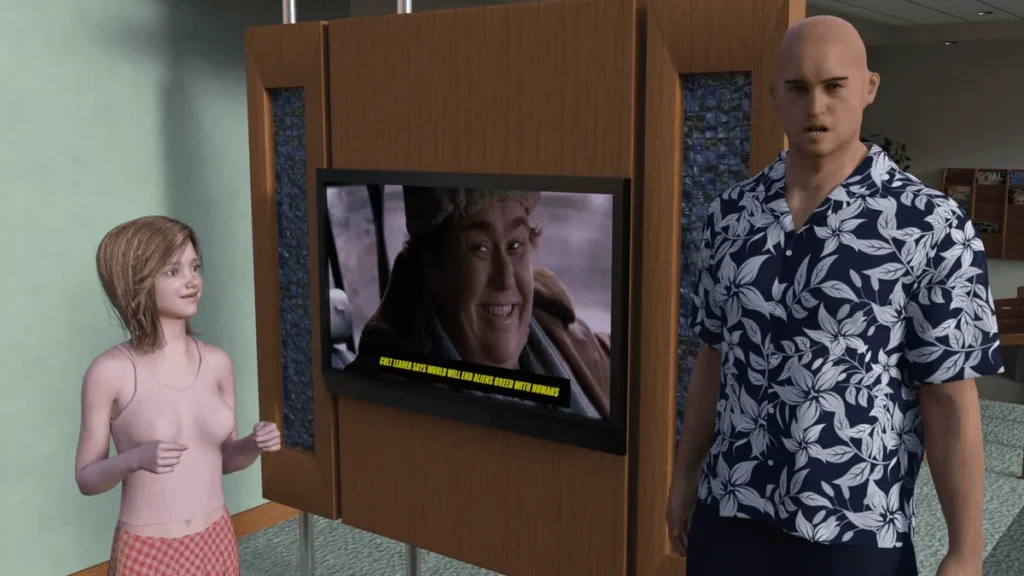
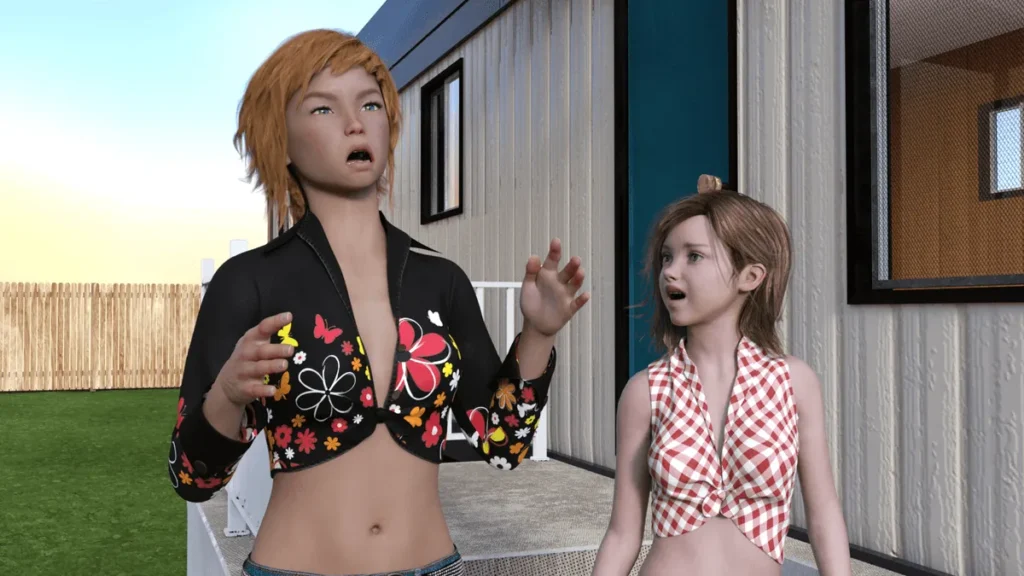


23 Sisters review
Master relationship building, story choices, and character mechanics in this narrative-driven visual novel
23 Sisters stands out as a narrative-driven visual novel that combines relationship simulation with choice-based storytelling. Players take on the role of a protagonist who discovers they have 23 sisters and must navigate complex family dynamics, build meaningful bonds, and uncover hidden secrets. The game’s core appeal lies in its dynamic interaction system where every dialogue choice, gift, and activity directly influences relationships and story outcomes. Whether you’re new to the experience or looking to deepen your understanding of its mechanics, this guide explores what makes 23 Sisters a compelling interactive adventure that rewards thoughtful decision-making and multiple playthroughs.
Understanding 23 Sisters: Core Gameplay Mechanics & Story Foundation
What Is 23 Sisters: Game Overview & Premise
So, you’re about to step into one of the most genuinely surprising narrative experiences I’ve come across in a long time. 23 Sisters drops you into the shoes of a protagonist who, through a series of quirky family circumstances, discovers they have exactly twenty-three sisters. Yes, twenty-three. And no, your character didn’t know about most of them before the story begins. 🏠
The premise is deliberately absurd, but it’s handled with such sincere storytelling chops that you’ll buy into it almost immediately. You’re not just managing a massive family tree here — you’re navigating the emotional landscape of a household where everyone has their own secrets, dreams, and grudges. The game blends a traditional visual novel format with light life-sim elements, creating a hybrid that keeps you reading while also making you feel like you’re actually living in this world.
Your core gameplay loop is deceptively simple: read narrative passages, make dialogue choices, manage your limited time across sisters, and watch the consequences ripple outward. But here’s where it gets interesting — this isn’t just a passive reading experience. The 23 Sisters gameplay mechanics reward careful attention, memory, and strategic thinking. You’ll need to remember who said what, which sister is going through what personal crisis, and how your past choices are echoing into the present.
Pro tip: Don’t treat this like a standard visual novel where you can zone out and mash buttons. The game remembers everything you do, and it will use that information against you later.
The game gives you a calendar system, a relationship interface, and a journal that tracks plot threads. You’ll spend your days choosing which sisters to interact with, which events to attend, and which mysteries to pursue. The time management gameplay element here is real — you cannot see everything in one playthrough, and that’s by design. The game wants you to feel the weight of your choices, including the sisters you decide to neglect.
As a relationship building visual novel, 23 Sisters asks you to invest emotionally in characters who will sometimes frustrate you, sometimes surprise you, and occasionally break your heart. The writing is sharp enough that each sister feels distinct, with her own voice, mannerisms, and emotional triggers. You’ll find yourself gravitating toward some and avoiding others, which is exactly the kind of player-driven storytelling the game is built around.
Now, let’s dig into the actual mechanical backbone of this experience — the systems that make your choices feel consequential.
| Gameplay Mechanic | Description | Story Impact |
|---|---|---|
| Dialogue Trees | Branching conversation paths with multiple response options per scene | Directly alters relationship values, unlocks or blocks story scenes |
| Time Management | Choose which sisters to visit each day; limited action points per morning, afternoon, and evening | Determines which plotlines you progress and which sisters feel neglected or favored |
| Relationship Values | Numerical bond scores between 0-100 for each sister, tracked in the affinity menu | Thresholds unlock unique dialogue, personal events, and critical story information |
| Event Triggers | Automatic scenes that activate based on reaching specific bond levels or story milestones | Reveals family secrets, resolves conflicts, or introduces new conflicts depending on your standing |
How the Bond System Works: Relationship Mechanics Explained
Alright, let’s talk about the heart of the game — the bond system 23 Sisters uses to track your relationships. I’ll be honest: when I first loaded up the game, I assumed it would be a simple “be nice to everyone and win” kind of system. I was very wrong. 🌟
The character affinity system here operates on a nuanced scale that doesn’t reward blind kindness. Each sister has a personality slider that defines how she prefers to be treated. Some sisters respond well to direct, blunt communication. Others require a more tactful, gentle approach. And crucially, the game doesn’t tell you which is which upfront — you have to figure it out through trial and error, paying attention to their reactions, reading their body language descriptions, and remembering past conversations.
Here’s the core mechanic explained simply: every dialogue choice you make has a tone spectrum ranging from blunt to tactful. Pick the right tone for the sister in front of you, and your bond increases significantly. Pick the wrong tone, and you might actually lose progress. Being “nice” in the generic sense won’t save you if you’re being nice in a way that feels inauthentic to that specific sister’s personality.
What I learned the hard way: Being consistently sweet to a sister who values honesty and directness will actually annoy her. She’ll see you as fake. The game rewards attunement over politeness.
The bond system 23 Sisters uses a 0-100 numerical scale for each relationship, but the numbers aren’t everything. The system also tracks relationship flags — specific moments, conversations, and shared experiences that create unique bonds. You might have a lower raw number with one sister but share a powerful emotional flag that unlocks special story content. Conversely, you could have a high raw number with another sister but lack those deeper flags, meaning your relationship feels surface-level.
Let me give you a concrete example from one of my playthroughs. I was trying to build a strong relationship with Yukiko, the quiet, introspective sister who loves reading. I kept choosing the “supportive and gentle” dialogue options because that’s what I thought she wanted. My bond was climbing slowly. Then, during one conversation, I accidentally picked a sarcastic response about her book choice. She lit up. Turns out, she appreciates playful teasing and intellectual sparring much more than passive support. My bond jumped by fifteen points in that single exchange. That moment taught me that the relationship building visual novel mechanics here are about matching energy, not just being agreeable.
The character affinity system also affects story progression in ways that aren’t immediately obvious. Here’s where things get strategic:
- Low bonds with certain sisters can hide critical family secrets. If you neglect a sister who holds key information, you might never learn about the family’s hidden past until it’s too late to act on it.
- High bonds reveal solutions to major plot conflicts. The game deliberately gates certain resolutions behind relationship thresholds. You cannot solve the central mystery without deep connections to the right sisters.
- Neutral bonds create missed opportunities. Some sisters will simply refuse to help you if your bond is in the middle range. They don’t hate you, but they don’t trust you enough to share what they know.
This creates a fascinating tension in the time management gameplay aspect. You only have so many action points per day. Do you spread yourself thin trying to maintain decent bonds with all twenty-three sisters? Or do you focus deeply on a handful, accepting that others will remain distant or even hostile? Both approaches lead to different stories, different endings, and different revelations.
One more thing about the bond system that surprised me: negative bonds are a real mechanic. If you consistently choose options that clash with a sister’s personality, your relationship value can drop into negative numbers. Negative bonds don’t just lock content — they actively create new content. Rivalry scenes, confrontations, and even sabotage events can trigger when a sister’s bond is deeply negative. The game doesn’t punish you for making enemies; it treats those relationships as equally valid story paths.
Choice-Driven Storytelling: Making Decisions That Matter
This is where 23 Sisters transforms from a good game into a memorable one. As a choice-driven storytelling game, it commits fully to the idea that your decisions should have real, trackable consequences. No illusion of choice here — every decision you make gets recorded and referenced later. 📖
The dialogue tree mechanics are structured in layers. Every conversation presents you with multiple response options, but the choices aren’t always straightforward. Sometimes you’ll see:
- Emotional responses (showing sympathy, anger, or indifference)
- Action responses (doing something rather than saying something)
- Investigative responses (asking probing questions that reveal information)
- Silence (choosing not to respond, which itself carries weight)
Here’s the trick: the game doesn’t always tell you what kind of response you’re making. The wording is deliberately ambiguous, forcing you to rely on context, your knowledge of the sister’s personality, and your own instincts. This makes each conversation feel like a genuine social interaction rather than a puzzle with clear right answers.
Let me illustrate with a specific example from the game:
The Scenario: You’re talking to Mari, the eldest sister, who is explaining why she’s been distant lately. She mentions she’s been dealing with a work problem she doesn’t want to discuss. You have three dialogue options:
- “You can tell me anything. I’m here for you.”
- “Work problems? Sounds boring. Let’s talk about something fun instead.”
- “If you don’t want to talk about it, that’s fine. But I’m around when you’re ready.”
Now, on the surface, option one seems like the “good” choice. But remember what I said about attunement? Mari is a proud, independent sister who hates feeling pitied or treated like a burden. Option one actually makes her feel worse — she interprets it as you seeing her as weak. Option two annoys her because she feels dismissed. Option three, which appears neutral or even cold, is actually the correct choice for Mari. It respects her autonomy while leaving the door open. Choosing option three increases your bond significantly. Choosing either of the others triggers a negative flag that Mari remembers later.
That single moment ripples forward. Because I chose option three, Mari later confides in me about her work crisis, which reveals a connection to the family’s financial troubles. That information helps me solve a major plot conflict in chapter five. A player who chose option one might never get that scene. The dialogue tree mechanics create these branching cascades throughout the entire game.
The choice-driven storytelling game structure also includes what I call route locks — early decisions that determine which story paths remain open later. These aren’t always obvious. For example:
- Choosing to help one sister with her personal project in chapter two might lock you out of a different sister’s trust storyline in chapter four.
- Mentioning a specific memory in casual conversation might trigger a chain of events that leads to a hidden ending.
- Failing to attend a seemingly unimportant event can permanently close off a relationship path.
Hard truth: You cannot see everything in one playthrough. The game is designed for replayability. My first run took about fifteen hours and I only reached a “good” ending with five sisters. I missed entire storylines.
The time management gameplay feeds directly into this. You have to prioritize. Do you spend the morning with the sister who’s emotionally fragile right now, or the sister who holds a piece of the puzzle you need? Do you attend the family gathering that everyone expects you at, or pursue a solo investigation that could reveal important secrets? Every choice is a trade-off, and the game respects those trade-offs by making both paths equally valid.
One feature I appreciate is the consequence journal that the game provides. After major story beats, you can review a log that shows which of your choices led to which outcomes. It doesn’t spoil future possibilities, but it does give you clarity on what you’ve set in motion. This makes the 23 Sisters gameplay mechanics feel transparent rather than mysterious — you can always trace back your current situation to specific decisions you made.
The visual novel presentation here supports the choice mechanics beautifully. The art style shifts subtly based on relationship status. Sisters who love you appear warmer in their portraits, with softer lighting and more open body language. Sisters who distrust you appear colder, with shadowed expressions and defensive postures. The game communicates relationship status through visual cues even before you open the bond menu.
As a relationship building visual novel, 23 Sisters excels at making you feel the weight of your social decisions. You’ll form genuine attachments to certain characters and feel genuine tension with others. The game doesn’t judge you for your choices, but it does hold you accountable for them. That accountability is what makes the narrative so compelling.
In my first playthrough, I accidentally alienated a sister I actually liked because I kept choosing options that I thought were supportive but that she interpreted as patronizing. By the time I realized my mistake, her bond was too low to recover. That relationship remained strained for the entire game, and it affected the ending I got. Instead of feeling frustrated, I felt motivated to start a second playthrough with a different approach. The game rewarded my failure with a unique storyline I wouldn’t have seen otherwise.
That’s the magic of 23 Sisters as a choice-driven storytelling game. Your failures aren’t dead ends — they’re alternate routes. Your mistakes create new narrative possibilities. And your victories feel earned because the character affinity system makes you work for every meaningful relationship. This isn’t a game where you can coast on generic kindness. It’s a game that asks you to really see each sister as an individual, to understand what she needs, and to act on that understanding even when it’s uncomfortable or inconvenient.
If you’re ready to invest that kind of attention, 23 Sisters will reward you with one of the most satisfying narrative experiences in the genre. Just remember: be attuned, not just nice. The sisters will thank you for it — or they won’t, depending on who you’re talking to. And that’s the whole point. 🎮
23 Sisters delivers a rich interactive experience that goes beyond traditional visual novels by weaving relationship mechanics directly into its narrative fabric. The game’s strength lies in how it respects player agency—every decision, from dialogue choices to time allocation, carries weight and consequence. The Bond System creates meaningful incentives for multiple playthroughs, as discovering different story paths and unlocking exclusive scenes requires careful attention to each sister’s unique personality and preferences. Whether you’re drawn to deep character-driven narratives, complex relationship dynamics, or branching storylines that reward thoughtful decision-making, 23 Sisters offers a compelling adventure where your choices genuinely matter. Dive into the world of 23 Sisters and discover how your decisions shape not just individual relationships, but the entire story’s outcome.