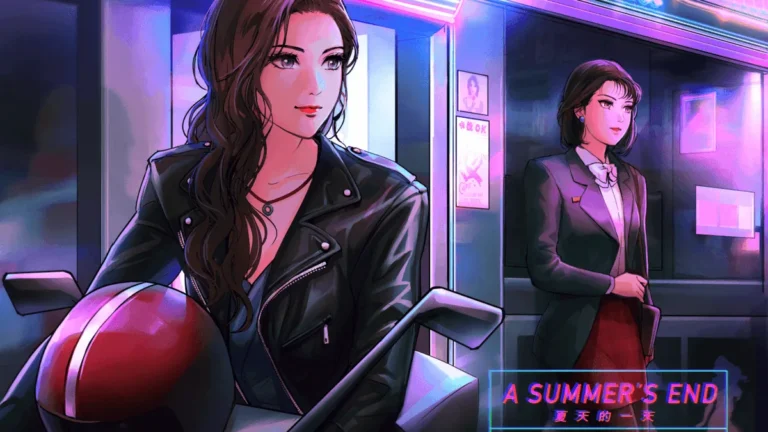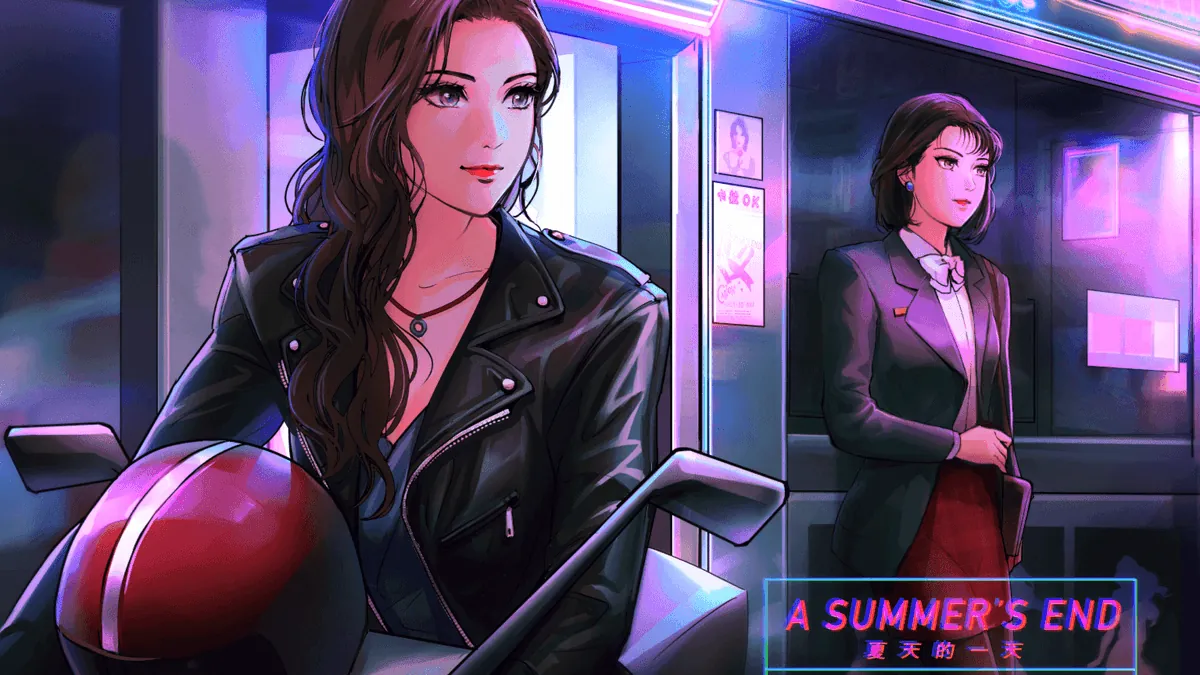
A Summer’s End – Hong Kong, 1986
Play A Summer’s End – Hong Kong, 1986
A Summer’s End – Hong Kong, 1986 Screenshots







A Summer’s End – Hong Kong, 1986 review
Explore the Captivating Romance Visual Novel Set in 1980s HK
Imagine stumbling upon a chance encounter in the bustling streets of 1986 Hong Kong that sparks a tender, forbidden romance between two women— that’s the heart of A Summer’s End – Hong Kong, 1986. This visual novel masterfully blends lush 80s anime-inspired art, vaporwave tunes, and a poignant story of love, identity, and family pressures in a changing city. As someone who replayed it multiple times, I was hooked by Michelle and Sam’s evolving bond amid neon-lit Mong Kok and serene Sai Kung seascapes. Whether you’re drawn to its emotional depth or the optional adult patch for spicier moments, this guide dives deep into why it’s a must-play retro gem. Let’s uncover its magic together.
What Makes A Summer’s End Hong Kong 1986 Unforgettable?
I remember the first time I started A Summer’s End – Hong Kong, 1986. I was expecting a simple, pretty romance. What I got was a punch to the heart wrapped in the humid, neon-drenched air of a city on the brink. 🏙️ I instantly saw myself in Michelle, our protagonist, not because I’ve navigated 80s Hong Kong, but because of that universal feeling of being stuck. Stuck in a routine, stuck in expectations, stuck in a life that feels like it’s being lived by someone else’s script. Then, like a shock of vibrant color on a monochrome page, Sam walks into the frame. That moment, where Michelle’s structured office life collides with the wild, gravitational pull of attraction, is the electric beginning of an unforgettable A Summer’s End Hong Kong 1986 story.
So, what is it about this 1986 Hong Kong visual novel that leaves such a lasting impression? It’s the perfect, aching harmony of its parts: the resonant Michelle and Sam romance, a setting that’s a character in itself, and a narrative that trusts you with its delicate, powerful truth.
Who Are Michelle and Sam and Why Do They Resonate? 💖
At its core, what is A Summer’s End game if not a portrait of two women at a crossroads? Michelle is a young office worker, pragmatic and somewhat resigned. She carries the weight of traditional family expectations—the kind that asks, “When will you find a nice man?”—like a subtle, constant pressure. Her world is ordered, predictable, and quietly suffocating.
Then there’s Sam. A free-spirited artist and designer, she’s everything Michelle isn’t: bold, openly queer, and living with a captivating spontaneity. From Sam’s point of view, it’s absolutely love at first sight; she sees Michelle and is immediately, charmingly captivated. Their dynamic isn’t about fixing each other, but about awakening. Sam offers Michelle a glimpse of a life lived authentically, while Michelle offers Sam a grounding connection she perhaps didn’t know she needed.
The Michelle and Sam romance works because it feels real. Their conversations are a dance—sometimes awkward, sometimes flirtatious, always loaded with the unspoken tension of two people from different worlds discovering a profound shared language. This queer love story Hong Kong 1986 navigates its themes with remarkable sensitivity. It presents the realities of conservative culture and family conflict without resorting to tragic tropes. The homophobia and pressure are present, often conveyed through the masterfully written “oblique East Asian conversations” where what isn’t said speaks volumes, but the story’s heart is firmly on hope and self-discovery.
- Key story themes that give the narrative its deep resonance:
- Identity vs. Expectation: Michelle’s journey to reconcile who she is with who her family and society expect her to be.
- The Pressure of Tradition: The quiet, omnipresent weight of filial duty and cultural norms.
- Cultural & Personal Collision: The clash between Sam’s modern, open world and Michelle’s more conservative one, mirrored in the bustling, changing Hong Kong around them.
How Does the 1986 Hong Kong Setting Bring the Story Alive? 🌃🎨
This isn’t just a backdrop; it’s the soul of the experience. The Hong Kong 1986 setting details are crafted with such palpable love and precision that you can almost hear the cacophony of traffic in Mong Kok and feel the salt spray in Sai Kung. The game is a masterpiece of “Scenery Porn,” using its stunning, anime-inspired art to immerse you completely.
You’ll wander through bustling night markets under glowing neon signs, feeling the energy of a city racing toward an uncertain future. You’ll escape to the tranquil, green-seascape vistas of Sai Kung, where conversations feel more open and the world slows down. This contrast is intentional—the cramped, energetic urban spaces mirror Michelle’s internal conflict, while the open vistas reflect the possibilities Sam represents. The setting amplifies every emotion, making the A Summer’s End Hong Kong 1986 story a truly immersive historical and emotional journey.
What Are the Two Endings and How Do Choices Shape Them? 🧭
The beauty of this visual novel lies in its poignant brevity and meaningful choice. Your journey with Michelle is guided by a point-based dialogue system. Throughout key conversations, you’ll make choices that nudge Michelle toward either Sam (Freedom/Romance) or Her Family (Duty/Conformity). These points unlock special bonus scenes, offering deeper glimpses into Michelle and Sam’s growing connection, and ultimately determine which of the two powerful endings you experience.
Here’s a clear breakdown of what your path leads to:
| Your Path (Earned Points) | The Ending | What It Means |
|---|---|---|
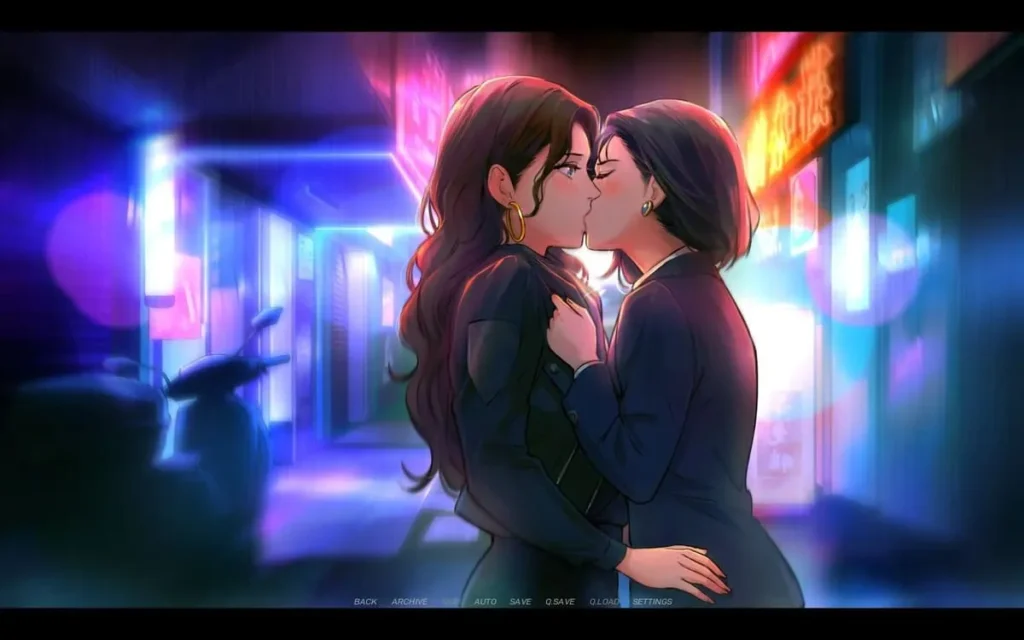
| Toward Sam 🦋 | The “True” Romantic Ending | This is the cathartic, hopeful conclusion. Michelle chooses her own heart, leading to a famously beautiful, rain-soaked kiss that feels like a victory not just for love, but for self-acceptance. It’s the payoff that makes the entire emotional journey worth it. |
| Toward Family 🏡 | The “Separate Paths” Ending | Often called the “bad” end, but it’s more nuanced than that. Michelle succumbs to societal and familial pressure. She and Sam part ways, their summer romance becoming a bittersweet, cherished memory as they walk separate life paths. It’s heartbreaking, but handled with a tender realism that respects the weight of Michelle’s struggle. |
Having your A Summer’s End endings explained upfront isn’t a spoiler—it’s an invitation. Knowing these destinations allows you to appreciate the significance of every small choice Michelle makes. Will you encourage her to be cautious, or to take a leap of faith? The game respects you too much to offer a cheap, easy middle ground; the power and pain of the story come from this very fork in the road.
This is why the game’s compact length (about 4-5 hours) is a strength, not a weakness. There’s no filler. Every scene, every line of dialogue, every gorgeous painting of a Hong Kong street corner serves the dual purpose of building the world and deepening your understanding of Michelle’s internal conflict. The impact is concentrated and lasting.
My actionable advice for your playthrough? Play honestly on your first go. Don’t try to “game” the system for a specific ending. Choose what you feel in the moment as Michelle. That first, unspoiled journey is the most powerful way to experience this queer love story Hong Kong 1986. Then, come back and guide her down the other path to fully appreciate the narrative’s beautiful, heartbreaking scope.
FAQ – Your Quick Questions Answered
Is A Summer’s End a true yuri game?
Yes, absolutely. It is a central, beautifully told queer love story Hong Kong 1986 focused on the relationship between two women. It’s a defining example of the genre done with maturity and artistic grace.
How long does it take to complete?
A single playthrough is roughly 4-5 hours. To see both endings and all bonus content, plan for about 6-7 hours total.
Does it have voice acting?
No, the story is told through text, stunning visuals, and an incredibly evocative soundtrack that perfectly captures the 80s Hong Kong mood. The power is in your imagination and the strength of the writing.
A Summer’s End – Hong Kong, 1986 captures the thrill of unexpected love against a vibrant 80s backdrop, blending heartfelt storytelling with stunning visuals and an optional adult patch that deepens the intimacy. From Michelle and Sam’s rainy reunion to the cultural nuances of old Hong Kong, it leaves you reflecting on identity and connection. If you crave a short yet impactful visual novel with real emotional weight, grab it now—unlock the true ending, savor the soundtrack, and let it transport you. What’s stopping you from diving into this retro romance today? Your next favorite story awaits.