
Desert Stalker
Play Desert Stalker
Desert Stalker Screenshots




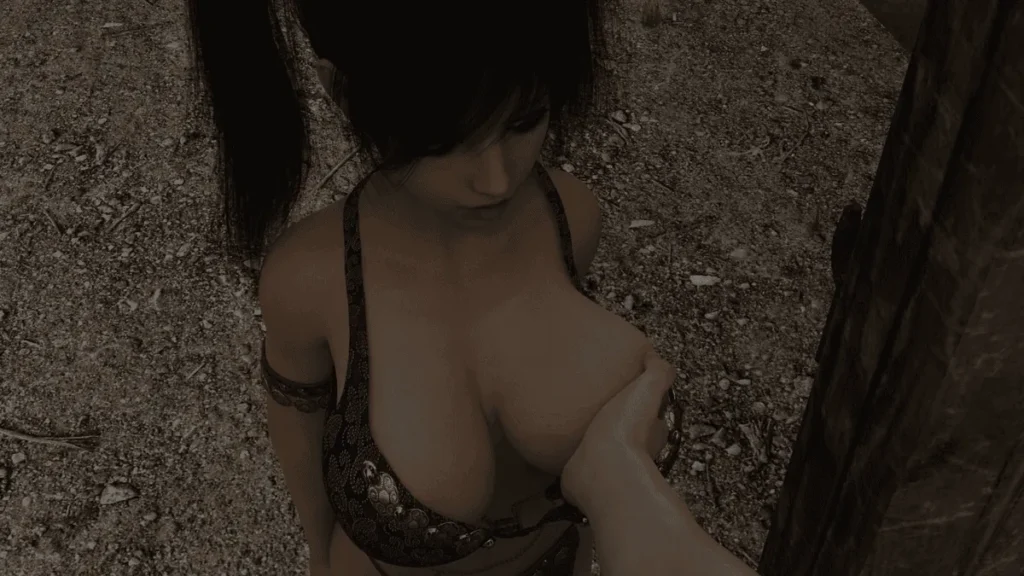
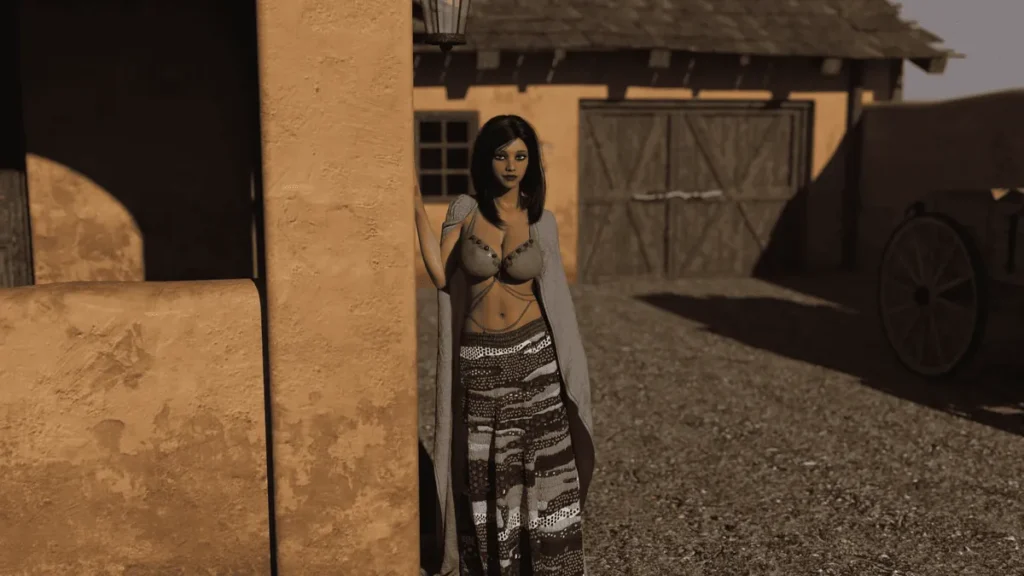

Desert Stalker review
Explore gameplay mechanics, story choices, and what makes this visual novel stand out in the adult gaming genre
Desert Stalker has emerged as a standout title in the adult visual novel landscape, offering players far more than surface-level content. This post-apocalyptic RPG combines immersive storytelling, meaningful player choice, and engaging combat mechanics to create a unique experience. Whether you’re interested in understanding the game’s narrative depth, exploring its character-driven quests, or discovering what sets it apart from other adult games, this guide covers everything you need to know about this acclaimed title. The game’s blend of gritty worldbuilding and player agency has resonated with audiences seeking substantive adult gaming experiences.
Understanding Desert Stalker’s Core Gameplay and Story Structure
Let’s be honest: when you hear “adult visual novel,” a very specific image probably pops into your head. 🎭 It’s often a linear story with predetermined romance paths and scenes that feel more like rewards for clicking than outcomes of your decisions. You might enjoy it, but you rarely feel responsible for the world or the people in it.
Desert Stalker smashes that mold entirely. 🤯 This isn’t just a story you watch; it’s a harsh, sun-bleached world you shape through every action, word, and fight. At its core, Desert Stalker gameplay is a masterclass in player agency adult games, blending the narrative depth of a visual novel with the weighty, consequence-driven choices of a hardcore RPG. You don’t just guide the protagonist; you define him, wrestling with the morality of survival in a broken world. Let’s dive into what makes this experience so uniquely gripping.
What Makes Desert Stalker Different from Other Adult Visual Novels
So, what’s the secret sauce? While many games in the genre use adult content as the primary goal, Desert Stalker uses it as a narrative tool, a consequence, and a component of deep character bonding. It’s woven into the fabric of the world and your relationships, not just plastered on top. The post-apocalyptic RPG choices you face are rarely about simple “good vs. evil.” They’re pragmatic, often brutal, and always impactful.
Think of it this way: in many games, you choose dialogue options to increase a “love meter.” Here, your entire approach to survival dictates who trusts you, who fears you, and who will stand by your side. The adult visual novel mechanics are in service of this deeper simulation. Scenes and relationship milestones feel earned because they are direct results of your choices, not just checkpoints on a predetermined path.
To really see how it stands apart, let’s look at a direct comparison:
| Feature | Typical Adult Visual Novel | Desert Stalker |
|---|---|---|
| Core Driver | Romance paths, collecting scenes | Survival, faction influence, & character-defining morality |
| Player Choice | Often linear or branches into set romance routes | Deeply branching narrative consequences affecting world state, resources, and alliances |
| Combat & Gameplay | Minimal or non-existent | Strategic turn-based combat system integral to story progression |
| Character Relationships | Built through repetitive “correct” dialogue choices | Dynamic character relationship system shaped by key story decisions, combat actions, and resource sharing |
| Setting Integration | Often a backdrop for character interactions | Central to every decision; the harsh desert directly influences story and design |
This table shows the paradigm shift. Desert Stalker asks more of you. It demands that you think like a survivor, where a kind word can be as strategic as a sharp blade, and every encounter is a potential turning point. The desert isn’t just scenery; it’s the antagonist in every story, forcing every character—and by extension, you—to reveal their true nature.
Gameplay Mechanics: Combat, Choices, and Consequences
This is where Desert Stalker gameplay truly comes alive, merging three powerful pillars: tactical combat, meaningful exploration, and choice-driven narrative. It’s a loop that constantly reinforces your role as the Stalker.
First, let’s talk about the Desert Stalker combat system. 🗡️ This isn’t a simple quick-time event or an automatic win. You’ll engage in turn-based battles where positioning, weapon choice, and special abilities matter. Do you use precious ammunition to end a fight quickly, or risk a melee encounter to save bullets for a bigger threat? These decisions during combat have immediate repercussions on your resources and can even alter how characters perceive you. Winning a fight through cunning or brutality sends different messages to your companions.
But the true heart of the Desert Stalker experience lies in its post-apocalyptic RPG choices. The game presents you with morally complex dilemmas that refuse easy answers.
Pro Tip: There is rarely a universally “right” choice. Instead, ask yourself: “What would my Stalker do?” Is he a protector, a ruthless opportunist, or something in between? Your consistent persona opens and closes doors naturally.
Let me give you a concrete example from early in the game. You encounter a group of raiders threatening a lone woman. Here, you face a genuine branching narrative consequences scenario:
* Choice A (The “Hero”): Intervene directly, fight the raiders, and save the woman. This consumes resources and risks injury but earns you immediate gratitude and a potential ally.
* Choice B (The “Pragmatist”): Use stealth or deception to disperse the raiders without a direct fight. This saves resources but may involve lies or leaving the raiders alive to cause trouble later.
* Choice C (The “Survivor”): Ignore the situation entirely. It’s not your problem. You save all resources and avoid risk, but you may have condemned someone, and word of your inaction could spread.
This single decision ripples outward. Saving her might lead her to offer crucial information or a side quest later. Ignoring her could mean she, or someone who heard of your coldness, becomes an obstacle down the line. The woman could be connected to a larger faction, making your action a tiny stone that starts an avalanche in the story’s political landscape. This is player agency adult games at its finest—your decisions aren’t just noted; they actively reconstruct the narrative landscape.
These branching narrative consequences are tracked through a sophisticated flag system. The game remembers your major and minor decisions, weaving them back into the story hours later. Help a stranger today, and they might lend you a vehicle when yours breaks down next week. Betray a faction’s trust, and expect ambushes on your regular routes. This creates an unparalleled sense of a living, reactive world.
Character Development and Relationship Dynamics
If the desert is the stage and your choices are the script, then the characters are the unforgettable performers. Desert Stalker moves far beyond simple romance arcs, building a character relationship system that feels organic, fraught, and deeply rewarding.
Your connections with key characters like Asha, Kyra, and Shani are not governed by a simple affection meter. 🫂 Instead, they are built on a foundation of trust, shared experiences, and demonstrated values. Your actions in the main story and side quests directly influence how they view you. The adult visual novel mechanics here are expressions of deepening bonds, not the bonds themselves.
- Asha represents a chance at stability and legacy. Your relationship with her is heavily influenced by your choices that demonstrate protection, honor, and commitment to building something more than mere survival. Acting recklessly or with undue cruelty can create a tangible, heartbreaking distance.
- Kyra often connects to themes of resilience and adaptability in the harsh wastes. Interactions with her might test your practicality versus your empathy, and how you navigate her unique struggles will define your bond.
- Shani introduces different complexities, potentially tied to the old world’s mysteries or the new world’s harsh realities. Your approach to knowledge, power, and secrets will shape this dynamic.
Here’s the crucial part: these relationships are exclusive in a narrative sense, not just a mechanical one. Pursuing a path with one character can fundamentally alter your available interactions with another. The game acknowledges the emotional reality of these choices. This isn’t about “locking in” a route by Act 2; it’s about living with the emotional branching narrative consequences of who you choose to become close to in a world with little room for softness.
For instance, dedicating your resources and attention to securing a safe future for one character might mean you have to decline or fail a quest for another. The game doesn’t soft-pedal this; characters will react with hurt, anger, or understanding based on their personalities. This makes every moment of connection feel earned and precious. You’re not just selecting options from a menu; you’re navigating the fragile web of human connection in an inhuman world.
Ultimately, Desert Stalker stands as a landmark title because it respects your intelligence and your desire for a meaningful role in its story. The Desert Stalker gameplay loop of explore, choose, fight, and bond creates a profoundly immersive experience where you are the author of your own harsh, beautiful, and uniquely personal legend in the dunes. It proves that within the framework of a visual novel, there is immense room for a true role-playing experience, where every choice weighs a ton and every relationship is a hard-won victory against the relentless desert.
Desert Stalker represents a significant evolution in adult gaming, proving that the genre can deliver meaningful storytelling alongside engaging mechanics. The game’s strength lies in its commitment to player choice—every decision genuinely matters, from combat encounters to relationship development. What sets it apart is the thoughtful integration of consequence-driven narratives with high-quality production values and immersive worldbuilding. Whether you’re drawn to the post-apocalyptic setting, the complex character interactions, or the freedom to shape your protagonist’s moral compass, Desert Stalker offers a compelling experience that respects player agency. For those seeking adult gaming that prioritizes narrative depth and meaningful choice, this title deserves serious consideration. Explore the game yourself to discover how your decisions shape this richly detailed world.