Summer with Mia
Play Summer with Mia
Summer with Mia Screenshots


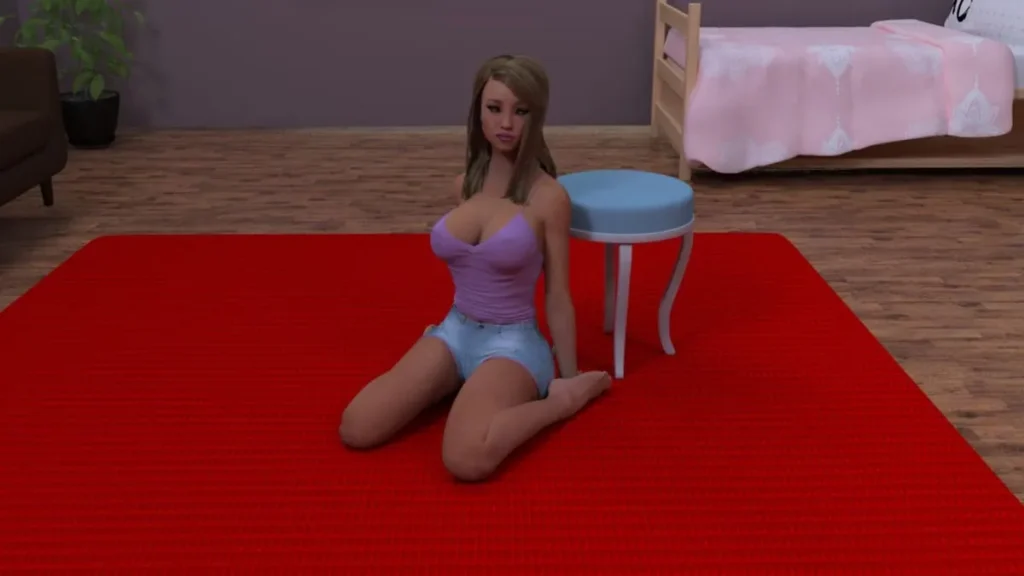
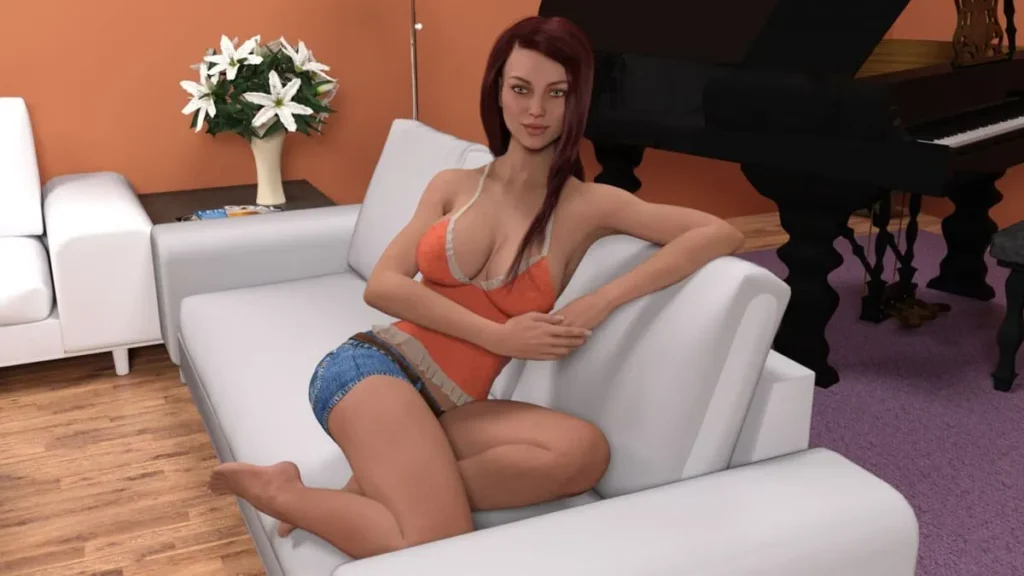
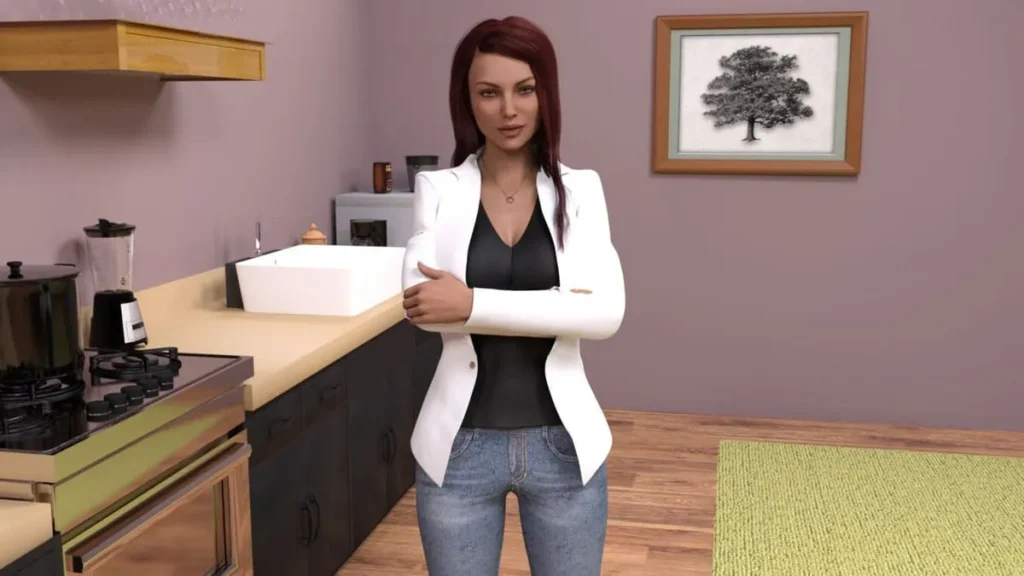
Summer with Mia review
Explore gameplay mechanics, storyline choices, and features of this adult visual novel
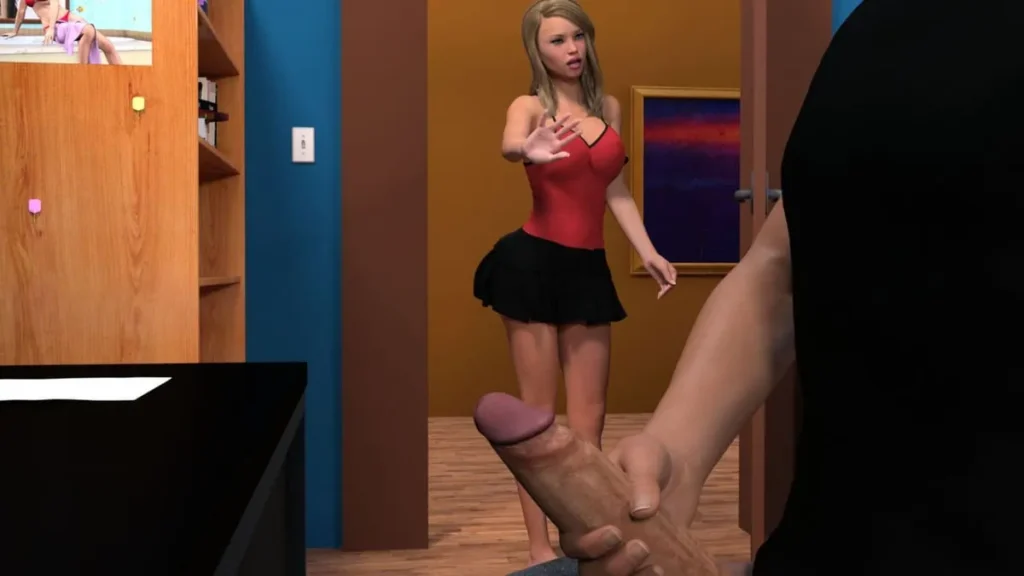
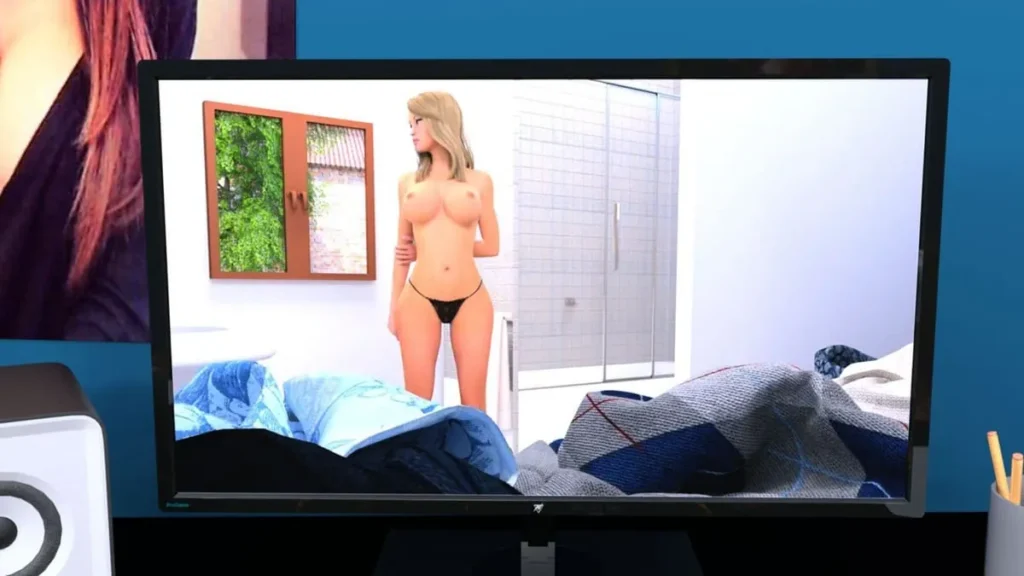
Summer with Mia is an adult visual novel that places you in the role of a 20-year-old college student navigating relationships and choices throughout the game. This interactive experience offers players the ability to shape their narrative through meaningful decisions, including relationship dynamics and optional content toggles. The game combines well-written storytelling with detailed character models and extended gameplay hours. Whether you’re interested in understanding the game’s mechanics, exploring its branching storylines, or learning about unique features like the panic button, this guide covers everything you need to know about this choice-driven adult experience.
Gameplay Mechanics and Core Features
Ever found yourself clicking through a visual novel, only to realize your choices barely mattered? 😒 You pick the “charming” reply, but the character still glares at you; you try to be aloof, and they somehow fall into your arms anyway. It can feel like the game is on rails, and you’re just along for the pre-determined ride. My first dive into Summer with Mia came with that same skepticism. I was ready for another pretty slideshow with minimal agency. But within the first hour, I realized the gameplay mechanics here were built on a different philosophy: your voice matters, and the tools you’re given are both powerful and considerate of you, the player.
This isn’t just a story you watch; it’s an experience you actively shape through branching storyline choices, define through deep relationship customization options, and even control the tone of with unique privacy and content filters. Let’s pull back the curtain on what makes this choice-driven visual novel tick, from the major narrative forks to the genius little “panic button” that might just save your bacon.
How Choice-Driven Gameplay Works in Summer with Mia
At its heart, Summer with Mia is a classic choice-driven visual novel, but with a sharp focus on consequence and character agency. You step into the shoes of the protagonist, moving back home for a summer that quickly becomes anything but ordinary. Every conversation, every reaction, and every quiet moment presents you with a decision.
Think of it like tending a garden. 🪴 Early, seemingly innocent choices are the seeds you plant. A supportive comment to Mia here, a decision to spend time with another character there, or even a moment of silence—these aren’t just flavor text. They are investments in a particular path, nurturing specific Summer with Mia character relationships that will blossom (or wither) later on. The game does an excellent job of providing immediate feedback, too. Characters will remember your stance and often reference it in future dialogues, creating a tangible sense that your presence in their world is impactful.
However, let’s be real for a moment—a common critique of the genre is the illusion of choice. I went in expecting some of that. And while it’s true that Summer with Mia has a core narrative direction (certain major story beats will occur), the how and why of those events are profoundly influenced by you. The branching storyline choices don’t always lead to entirely different continents, but they absolutely determine the climate and culture of the country you’re exploring. Will a key scene be tender and mutual, or fraught with tension and regret? That’s on you. The game’s strength lies in how your choices color the emotional journey, rather than inventing a completely new map for every player.
Pro Tip: Don’t reload immediately after a “bad” choice! Some of the most compelling and human moments in my playthrough came from decisions I initially regretted. The narrative can handle your missteps and often weaves them into a richer, more believable story.
Understanding Relationship Customization Options
This is where Summer with Mia truly separates itself from the pack. The game understands that players have different comfort zones and narrative preferences, especially given its central premise involving a step-family dynamic. Instead of forcing a single type of relationship down your throat, it hands you the reins with its robust relationship customization options.
Right from the main menu, you are presented with a powerful set of toggles and sliders. The most talked-about is undoubtedly the NTR toggle feature. For those unfamiliar, this refers to narrative content that involves romantic or intimate rivalry. This toggle allows you to explicitly enable or disable the potential for such story threads within your game. Want a story focused solely on your one-on-one connection? Switch it off. Open to a more complex, dramatic web of relationships? Switch it on. This isn’t a minor hidden setting; it’s a front-and-center declaration that you are in control of the story’s emotional boundaries. It respects your playstyle and ensures the experience aligns with what you find engaging, not distressing.
But the customization goes deeper. You can often define the nature of your connection with characters in your choices, steering it toward more romantic, purely familial, or even platonic avenues. The game’s writing is flexible enough to support these interpretations, making the Summer with Mia character relationships feel personally crafted. It’s a delicate balance the game manages well, offering plenty of steamy content for those seeking it while also providing enough substantive, non-intimate story beats to build a world and characters you care about beyond those moments.
To see how these choices layer together, here’s a quick breakdown of how different settings and major decisions can shape your unique story:
| Your Customization & Choices | Impact on Narrative Experience |
|---|---|
| NTR Toggle: OFF + Choosing supportive, exclusive dialogue with Mia | Leads to a focused, romantic storyline centered on building trust and intimacy, minimizing external romantic drama. |
| NTR Toggle: ON + Flirtatious choices with multiple characters | Creates a complex, dramatic narrative with potential rivalry, jealousy, and competing story arcs, raising the emotional stakes. |
| Emphasizing “family” or “protector” dialogue options | Steers relationships toward a more platonic or familial bond, altering the tone of key scenes to focus on emotional support rather than romance. |
| Consistently choosing “neutral” or dismissive responses | Can lead to a more distant, perhaps melancholic summer, where relationships are slow to develop and opportunities might be missed. |
The Panic Button Feature Explained
Let’s talk about the elephant in the room—or rather, the feature that makes the elephant suddenly disappear. 🐘👻 We’ve all been there: you’re immersed in a game, headphones on, when suddenly a family member walks into the room unannounced, or your roommate needs to borrow your charger. In a typical adult game, this is a moment of pure, unadulterated panic, a frantic scramble for Alt+Tab that often fails or leaves a very obvious window flashing on your taskbar.
Summer with Mia offers an elegant, hilarious, and downright genius solution: the panic button game feature. By simply pressing the “P” key at any moment, the entire game window is instantly replaced by a completely innocuous, work-appropriate image. In this game’s case, it’s a delightful picture of the Space Doge meme (much wow!). To anyone glancing at your screen, it looks like you’re just browsing memes or have a silly wallpaper up. The soundtrack and any sounds also mute immediately. A second press of “P” brings you right back to where you were, no harm done.
Why is this such a game-changer? It’s about respect for your privacy and real-life context. This panic button game feature acknowledges that adults enjoy adult content but don’t necessarily live alone in soundproof bunkers. It removes the anxiety of getting “caught,” which in turn allows you to actually relax and enjoy the game. You can play in a shared living space without the constant, paranoid ear out for footsteps. It’s a small piece of design that has a massive impact on user comfort and confidence.
Personal Anecdote: I was testing a particularly story-heavy, non-intimate scene when my partner asked to see something on my monitor. Instead of the classic heart-attack Alt+Tab fumble, I calmly tapped ‘P’. There was Space Doge. “Nice meme,” they said, and walked away. I tapped ‘P’ again and resumed the conversation with Mia without missing a beat. It was seamless. This feature isn’t just a gag; it’s a legitimate quality-of-life essential.
Frequently Asked Questions About the Panic Button:
-
Q: What exactly appears when I press the panic button?
A: The entire game window is replaced by a static, safe-for-work image. In Summer with Mia, this is a picture of the Space Doge meme. All game audio is also instantly muted. -
Q: Does it work in full-screen mode?
A: Absolutely. The panic button game feature is designed to work flawlessly in both windowed and full-screen modes, providing a quick escape no matter how you’re playing. -
Q: Will it save my place in the game?
A: It doesn’t need to! The button doesn’t close the game or interrupt its state. It’s purely a visual and audio overlay. When you press ‘P’ to return, you’ll be right at the exact line of dialogue or scene where you left off. -
Q: Is the key configurable?
A: In many visual novels that feature this, it often is. While you should check the specific settings in Summer with Mia, the default ‘P’ key (for “Panic”) is standard and intuitively placed.
Ultimately, the Summer with Mia gameplay mechanics are built on a foundation of player respect and meaningful interaction. From the significant branching storyline choices that determine the emotional tenor of your summer, to the unprecedented control offered by relationship customization options and the NTR toggle feature, you are the author of this experience. And all of it is wrapped in a thoughtful package that protects your privacy with its clever panic button game feature. It’s a choice-driven visual novel that understands both the power of a good story and the reality of the player’s life outside of it. So go ahead, dive in. Your summer—and how you experience it—is waiting. 🏖️✨
Summer with Mia delivers a choice-driven adult visual novel experience centered on college life and relationship exploration. The game excels with its well-written narrative, extensive gameplay hours, and detailed character presentation, offering players meaningful customization options through relationship definitions and content toggles. The innovative panic button feature addresses a practical concern for players seeking privacy. However, potential players should understand that while choices exist within the game, their impact on the overall storyline is limited, with variations primarily affecting dialogue and specific scenes rather than fundamental narrative branches. The game’s heavy focus on adult content makes it best suited for mature audiences seeking this specific experience. If you’re interested in choice-driven visual novels with strong storytelling and don’t mind adult-oriented themes, Summer with Mia offers substantial gameplay value. For those seeking more impactful narrative choices or preferring lighter content, exploring alternative titles in the genre may be worthwhile.