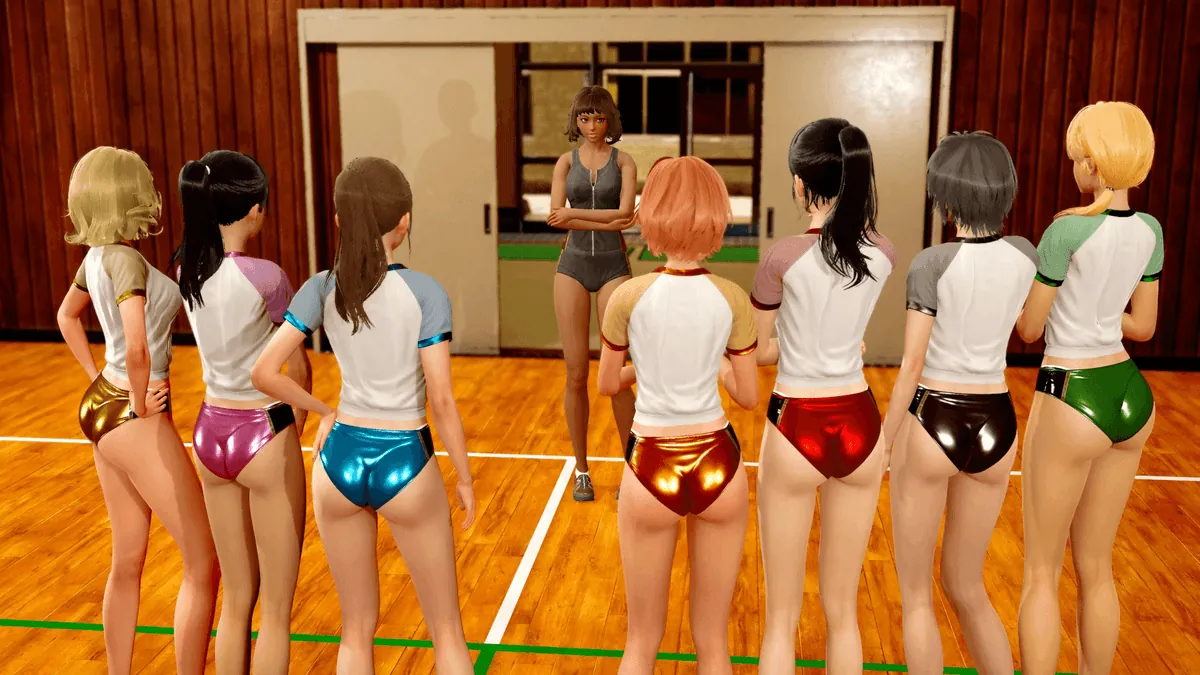
Time Implosion
Play Time Implosion
Time Implosion Screenshots
















Time Implosion review
A practical guide to understanding Time Implosion, its gameplay flow, and what to expect before you dive in
Time Implosion is one of those games that quietly circulates through recommendation threads, then suddenly shows up everywhere once you finally notice it. When I first stumbled across Time Implosion, I wasn’t sure if it would be a quick throwaway experience or something I’d actually sink hours into. Within a weekend, I had my answer. In this guide, I’ll walk you through what Time Implosion is really about, how its time-bending structure works, and the choices that make it stand out, using real playthrough impressions and practical tips so you can decide if it deserves a place in your backlog.
What Is Time Implosion and Why Do Players Talk About It?
Ever stumbled across a forum post or a chat where someone mentions Time Implosion, and you’re left wondering what the fuss is about? 🤔 You’re not alone. Let’s clear the fog. This isn’t your typical action-packed shooter or a sprawling open-world RPG. What is Time Implosion, at its heart? It’s a narrative adventure built on a fascinating, slightly mind-bending game concept: the controlled shattering of time itself.
Think of it less as a traditional “game” and more as an interactive story where your power isn’t a gun or a sword, but knowledge. You play as someone trapped in a moment of catastrophic temporal collapse. The “implosion” isn’t a one-time boom—it’s a persistent, looping fracture. Your goal isn’t to fight armies, but to understand. To talk. To make choices that ripple out, change contexts, and slowly piece together the truth from the fragments of multiple timelines. 🕰️➡️💥
This Time Implosion review style overview will give you the lay of the land before you step into the timestream. The core loop is elegant: you experience a key event, often culminating in the timeline’s collapse. Then, you’re reset. You go through it again. But this time, armed with information from previous loops, you can make different choices, ask different questions, and access doors (both literal and metaphorical) that were previously locked. It’s a slow, satisfying unraveling of a mystery where you are the primary tool.
Time Implosion game concept and core premise
So, let’s get practical. Time Implosion game concept explained simply: it’s a narrative puzzle where time is both the problem and the solution. 🧩
You inhabit a fixed set of locations and a limited window of time—perhaps a single tense evening at a strange facility or a crucial hour before a disaster. When time “implodes,” you don’t rewind to the very beginning with a clean slate. Instead, the game remembers. It remembers the small kindness you showed a side character. It remembers the secret you uncovered in a desk drawer. It remembers the hostile question you asked during a conversation. All these fragments are stored in a kind of “meta-memory,” allowing new options to appear on subsequent loops.
The genius is in the details. A character might reference something you said two loops ago, even though this version of them shouldn’t remember it. An object might be in a different place because your actions in a previous timeline indirectly moved it. The Time Implosion game is constantly tracking these micro-decisions, building a web of cause and effect that spans across realities. The tension doesn’t come from a health bar, but from a growing sense of urgency as you realize what’s truly at stake and how few loops you might have left to fix it.
My Personal Tip: Don’t try to “win” on your first loop. In fact, you can’t. Your first run is purely for exploration and gathering intel. Embrace the confusion. Click on everything, talk to everyone, and see how the pieces fall. The “aha!” moments come later, when you use that intel to alter the sequence of events.
The premise hooks you because it makes you feel intelligent. Progress isn’t gated by skill points or leveled-up gear, but by your own observation and deduction. Figuring out that telling Character A about Event B in Loop 3 will make Character C trust you in Loop 5 is an incredible thrill. It turns every interaction into a potential key.
How Time Implosion structures its story and setting
The Time Implosion storyline is a masterclass in slow-burn revelation. It’s not about epic space battles or medieval fantasy; the setting is often intimate, almost claustrophobic. You might be in a remote research lab, a decaying mansion, or a grounded starship. This focused scope is intentional—it allows the developers to pour incredible detail into every room and every line of dialogue. 🏠🔍
Each location is designed for repetition, but it never feels stale. On your first visit, a hallway is just a hallway. On your fifth, you might notice a crack in the wall that wasn’t there before, a poster with changing text, or a character who now stands in a different spot, staring at something you previously ignored. The environment itself becomes a narrative device, visually communicating the instability of the timeline.
The tone is a brilliant mix of playful absurdity and deep, emotional weight. One loop might have you dealing with a comically malfunctioning piece of tech or a character’s quirky obsession with jelly donuts. 🍩 The next might plunge you into a heartbreaking confession or a moral dilemma with no easy answer. This contrast is key. The lighter moments make the world feel lived-in and real, which in turn makes the serious, emotional punches land much harder. You’re not saving a faceless world; you’re uncovering the personal regrets, secrets, and relationships that caused the implosion.
The story unfolds entirely through your choices in dialogue and exploration. There are no cutscenes that take control away from you. A tense standoff is resolved by the dialogue options you pick. A hidden truth is revealed because you chose to examine a photograph instead of rushing out the door. This creates an unparalleled sense of agency. You are directly composing the Time Implosion storyline through your actions, loop by loop.
Who Time Implosion is really for (and who might skip it)
Let’s be brutally honest: Time Implosion is a specific flavor of experience. It won’t be for everyone, and that’s okay! Knowing the Time Implosion target audience is the best way to decide if it’s for you. So, is Time Implosion worth playing? The answer is a resounding “yes,” but only if you’re in its target demographic.
This game is a perfect match for players who:
* Love “aha!” moments more than “boom!” moments. 🧠
* Enjoy narrative games where their choices feel meaningful and tracked.
* Don’t mind, and even relish, replaying scenes to see different outcomes.
* Appreciate stories that trust them to piece together the plot from environmental clues and subtext.
* Value strong character writing and dialogue over graphical fidelity or complex mechanics.
Conversely, you might want to skip it if you:
* Need constant action, fast pacing, or instant gratification.
* Prefer a straightforward, linear story where you’re always told what to do next.
* Get frustrated by repetition, even when it’s purposeful.
* Dislike reading dialogue or engaging in largely non-violent gameplay.
To make it crystal clear, here’s a breakdown:
| Player Type | What They Look For | How Time Implosion Fits |
|---|---|---|
| The Story Archaeologist | Uncovering plot layers, solving mysteries, finding every hidden scrap of lore. | Perfect Fit. The entire game is built for this. Each loop is a new dig site. |
| The Choice Connoisseur | Games where decisions have weight and branches feel truly distinct. | Excellent Fit. Choices echo across timelines, changing context and outcomes in subtle, powerful ways. |
| The Action Seeker | Twitch-based gameplay, combat, physical challenges, and high-energy set pieces. | Poor Fit. The tension is cerebral, not physical. You won’t find combat here. |
| The Linear Adventurer | A clear, guided path from one story beat to the next with minimal backtracking. | Might Frustrate. The looping, investigative core is the opposite of linear. |
Let me share a quick story that perfectly illustrates this. A friend of mine, a big fan of fast-paced RPGs, tried Time Implosion on my recommendation. After the first full loop, they were ready to quit. “Nothing I did mattered! It all just reset!” they complained. I urged them to play just one more loop. 🎮
In that second loop, they used a piece of information they’d learned the first time to blackmail a minor character into giving them a keycard. This opened a door to a previously unseen office. Inside, they found a letter that re-contextualized the entire motivation of the main antagonist. Suddenly, the “pointless” conversations from Loop 1 had hidden layers. The game had always been tracking their progress. They were hooked, messaging me at 2 AM about the new branching path they’d just unlocked. They almost missed it because they expected immediate, traditional feedback.
That’s the essence of the Time Implosion game. It asks for a little patience and trust. It respects your intelligence and rewards curiosity over reflexes. If the idea of mentally connecting dots across multiple timelines, of being a temporal detective in a collapsing story, sounds fascinating to you, then this is an experience you absolutely should not miss. It’s a unique and brilliantly executed take on interactive storytelling that will stick with you long after the final timeline settles. ✨
Time Implosion is the kind of game that rewards curiosity, patience, and a love of small details. Once you accept that you’re meant to relive scenes, tweak choices, and slowly uncover how the collapsing timeline fits together, the experience becomes surprisingly absorbing. If you enjoy narrative-heavy titles that mix experimentation with consequence, Time Implosion offers plenty to sink into.
Before you jump in, think about what you want from it: a branching story to pick apart, characters whose reactions change as you learn the rules, and a structure that plays with time rather than a linear, one-and-done run. If that sounds appealing, Time Implosion is worth trying for yourself—ideally when you have a free weekend to let its loops pull you in without rushing.