
University of Problems
Play University of Problems
University of Problems Screenshots





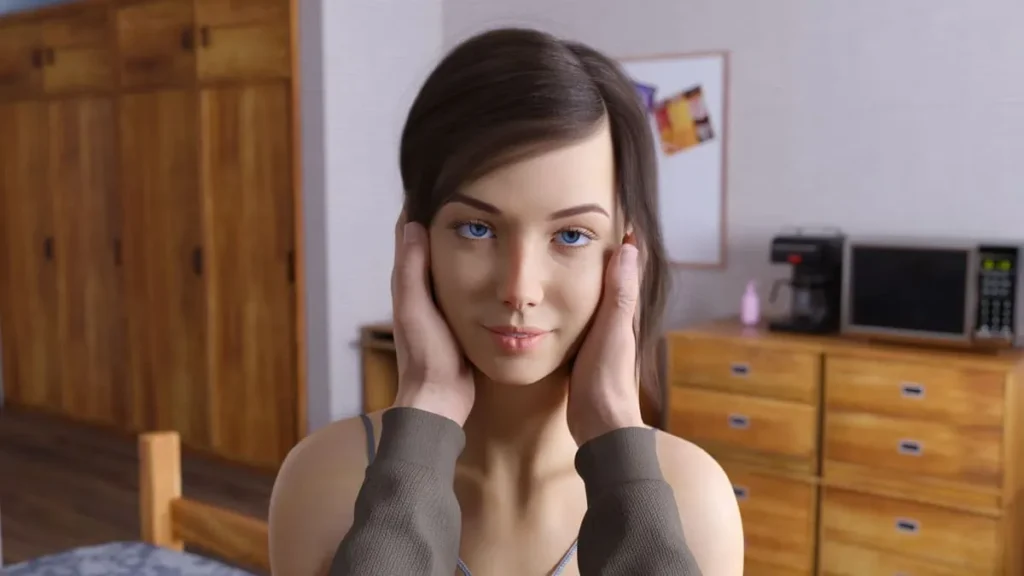


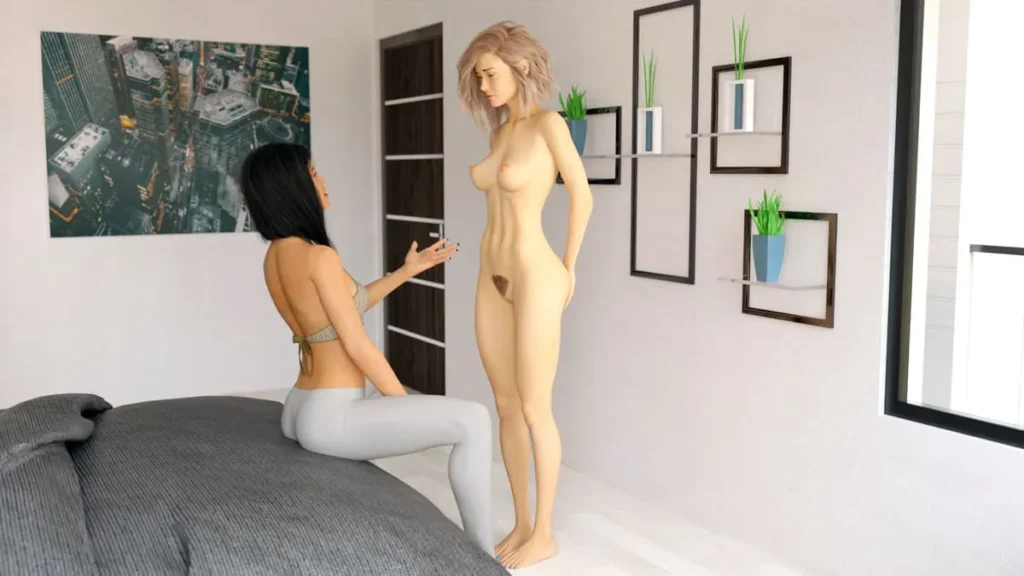
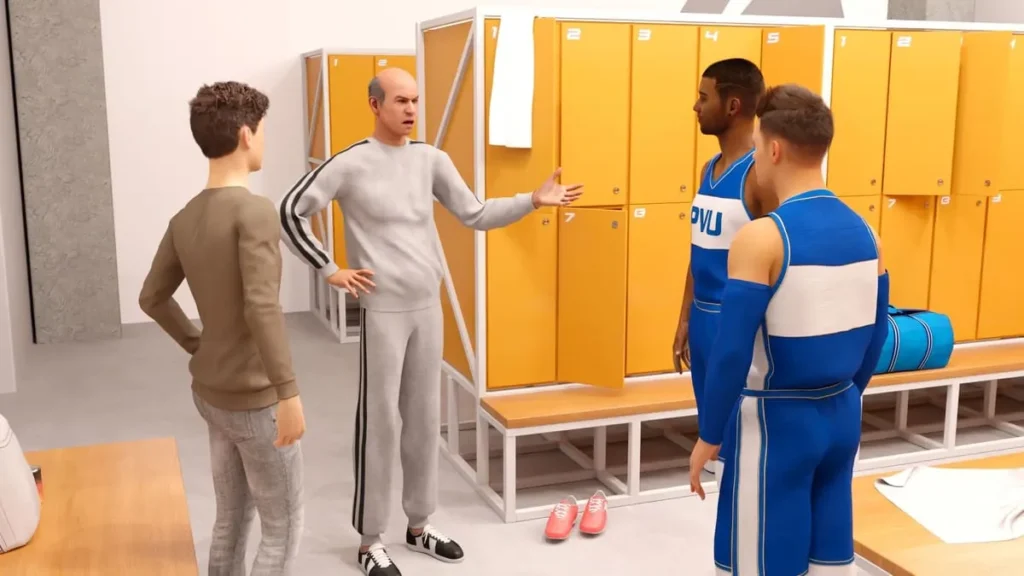




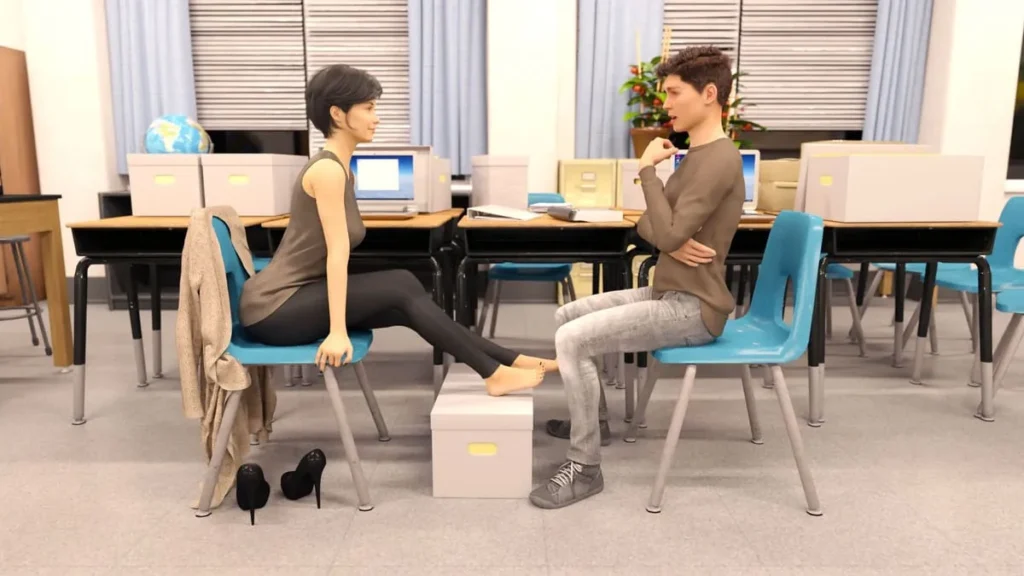

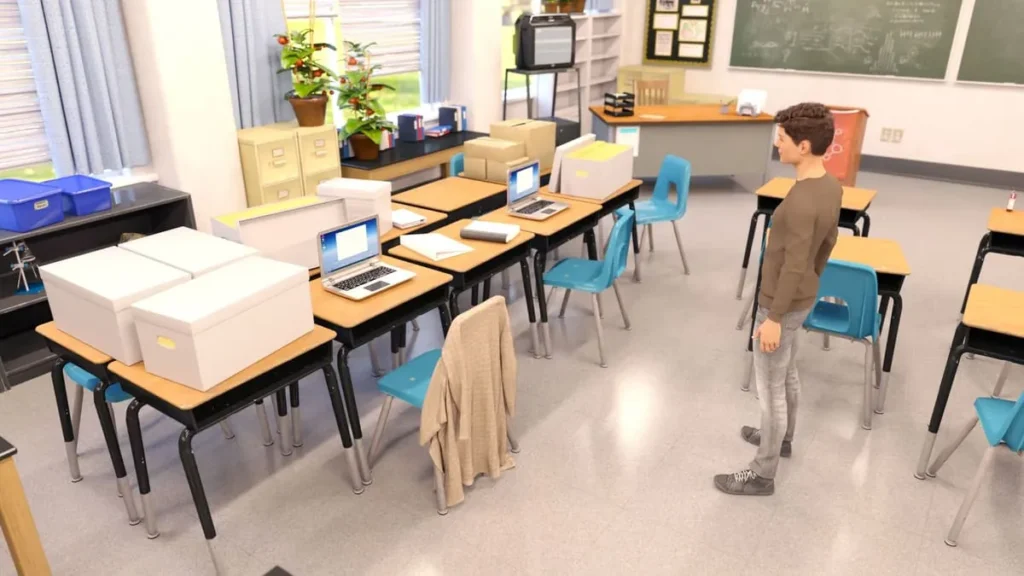

University of Problems review
Dive into Choices, Stories, and Campus Adventures
Ever wondered what university life would be like if your every choice led to thrilling twists and deep connections? University of Problems pulls you into a gripping visual novel where you’re a student juggling classes, friendships, and intense relationships. Developed by DreamNow, this game blends smart decision-making with immersive storytelling that keeps you hooked for hours. I’ve lost count of late nights exploring its branching paths—it’s not just entertainment; it’s a personal journey through campus chaos. Ready to uncover why University of Problems stands out in adult gaming? Let’s explore its mechanics, characters, and secrets that make every playthrough unique.
What Makes University of Problems Gameplay So Addictive?
I still remember my first night with University of Problems. I’d just finished a long, linear story game where my decisions felt like choosing the color of a pre-determined trophy. I booted this one up expecting more of the same—a cute little campus romp. An hour later, I was staring at the screen, my character sitting alone in the dorm after failing a quiz and getting ghosted by the study partner I’d tried to flirt with. My choices had consequences, and I was instantly hooked. That’s the magic trick at the heart of University of Problems gameplay—it makes you believe you’re truly directing the drama.
This isn’t just clicking through dialogue; it’s living a digital life. The core of the experience is its masterful choice-driven story, where every interaction, from a passing comment in the library to deciding how to spend your Friday night, ripples out to shape your entire university career. Let’s break down what makes directing your own campus saga so utterly compelling.
How Choice-Driven Mechanics Shape Your Story
At its core, University of Problems is a masterclass in visual novel mechanics. But forget passive reading; here, you’re the author, screenwriter, and lead actor all in one. The game presents you with a web of branching paths in University of Problems that is deceptively complex.
Every major character, from the sporty Roxy to the more studious Sara, has their own relationship meter and hidden flags. A choice that endears you to one person might completely close a door with another. The game excels at presenting morally grey decisions. Do you help a friend cheat on a test for a quick relationship boost, risking your academic standing? Do you spread a rumor to get closer to a crush? There’s no obvious “good” or “evil” path, just the messy, realistic consequences of your actions.
This is where the famous “lust meters” come in. They’re not just crude stats; they’re a transparent way the game communicates your standing. Focusing your attention and making choices that align with a character’s personality will see this meter grow, unlocking private scenes, deeper conversations, and unique story events. The visual novel mechanics are your toolkit for navigating this social labyrinth. Dialogue options aren’t just about what you say, but when you say it and to whom. Choosing to visit the gym at a certain time might lead to a chance encounter with Roxy, while hitting the library opens a path with Sara.
Pro Tip: The game doesn’t autosave at major decisions. Get into the habit of saving before any significant choice or event. Create multiple save files! One “main” path and a few experiment slots can save you dozens of hours.
Navigating Campus Life and Daily Challenges
The campus life simulation aspects are what ground the fantasy in a relatable, addictive routine. This isn’t an open world, but a carefully curated clockwork of opportunities. Your time is the most valuable resource you have.
A typical day in University of Problems might look like this: You wake up in your dorm (your central hub). First decision: shower and get ready, or rush out the door to grab extra study time? 🏫 Morning might offer a lecture—attending boosts your academic skill, which is crucial for passing exams and unlocking certain dialogue. Skip it, and you’ll have more free time, but risk failing later. Lunch in the cafeteria is a social hotspot; who you sit with matters. The afternoon could be spent at a club (each with its own storylines), working a part-time job for extra cash, or studying in the library. Evenings are for parties at the frat house, dates, or sneaking into places you shouldn’t be. 🎉
This campus life simulation creates a wonderful tension. You can’t do everything. Want to max out your relationship with a character? You’ll likely have to sacrifice progress elsewhere. This time-management layer transforms the choice-driven story from a series of dialogue picks into a strategic resource game. You’re not just choosing words; you’re budgeting your character’s life energy between academics, social climbing, and personal desires. It feels less like playing a game and more like managing a very exciting, sometimes chaotic, second life.
Tips for Unlocking Hidden Paths and Endings
The true replayability of University of Problems lies in its secrets. For every obvious story beat, there are two more hidden behind specific choice combinations, stat checks, and timing. Figuring out how to play University of Problems for discovery is a game in itself.
Here are the top game progression tips and strategies for uncovering everything the campus has to offer:
- Embrace Specialization: On your first few runs, don’t try to romance everyone. Focus on one or two characters. A “high-lust run” dedicated to Roxy or Sara will take you much deeper into their personal stories and unlock endings you’d never see with a diluted approach.
- Experiment with Skips: Once you understand the base story, use the skip function! It’s a powerful tool for unlocking hidden paths in University of Problems. Finish a main path, then reload an old save and skip to key decision points to try different options rapidly.
- Talk to Everyone, Everywhere: Characters appear in different locations at different times. A conversation that seems trivial at the coffee shop in the morning might be the key flag for a major event later. Explore all locations in each time block.
- Balance is for Later Runs: While specializing is key for secrets, a “balanced” playthrough where you maintain decent grades and friendliness with several characters is a great, low-pressure way to experience the core University of Problems gameplay for the first time without hitting immediate bad ends.
- Read the Environment: Click on objects in your dorm or around campus. Sometimes they just provide flavor, but other times they can trigger memories, boost stats, or even start mini-events that influence a branching path in University of Problems.
To help plan your social strategy, here’s a quick look at how to prioritize time with two popular characters:
| Character | Key Locations | Best Activity Focus | Preferred Trait (Example) |
|---|---|---|---|
| Roxy | Gym, Frat House, Off-Campus Bar | Parties, Physical Activities | Confidence, Boldness |
| Sara | Library, Coffee Shop, Study Groups | Academics, Quiet Conversations | Kindness, Intelligence |
This is just a tiny sample. Every character has their own unique map of likes, dislikes, and schedule.
So why is it so replayable? Because University of Problems gameplay makes you feel powerful and powerless in the best ways. You have immense control over the narrative’s direction, yet you can never see everything in one go. That party you missed? An entire subplot happened there. The person you ignored? They have a rich backstory. It feels like a real campus—full of stories you’re only ever privy to a slice of. You finish one path and immediately wonder, “What if I…?” And just like that, you’re starting a new semester, ready to write a completely different story.
FAQ
Do choices really matter in University of Problems?
Absolutely, and often in ways you don’t expect immediately. Choices affect relationship meters, unlock or permanently lock story branches, influence your character’s stats, and determine which of the many possible endings you will see. A single dialogue choice in Week 2 can change an event in Week 8.
How long is a full playthrough?
A single focused playthrough to one main ending can take 10-15 hours. However, to experience a significant portion of the branching paths in University of Problems and see multiple character arcs and endings, you can easily spend 50+ hours exploring and replaying.
What’s the best way to avoid a “bad ending”?
There’s no universal “bad” ending, only conclusions that follow from your choices. The best way to steer the story is to pay attention to character reactions, maintain a balance between your academic and social life (or commit fully to a specialization), and most importantly, save your game often before big decisions!
University of Problems transforms a simple campus tale into an unforgettable adventure through its smart choices, vivid characters, and endless replay value. From my countless hours diving into different paths, it’s clear this game captures the wild side of student life like no other. Whether you’re chasing perfect endings or just exploring relationships, it delivers thrills and depth. Don’t miss out—fire it up, make bold decisions, and craft your ultimate university story today. Share your favorite moments in the comments; I’d love to hear your paths!