
Ecchi Sensei
Play Ecchi Sensei
Ecchi Sensei Screenshots
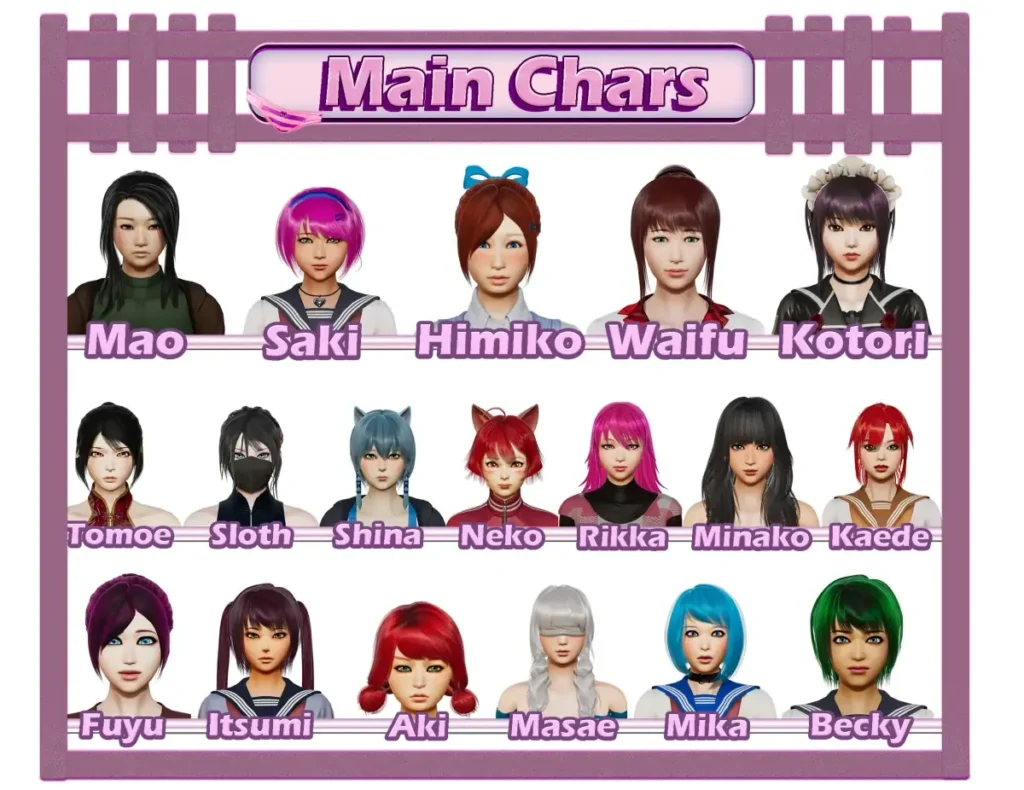
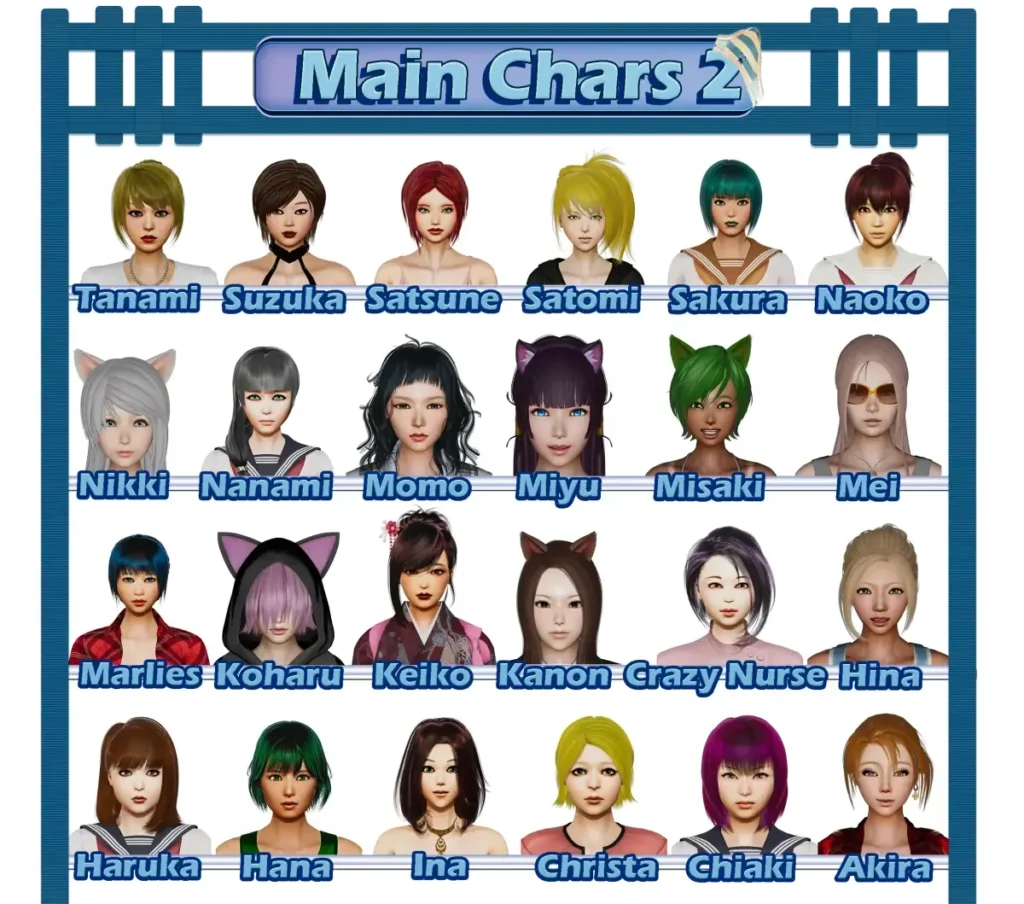
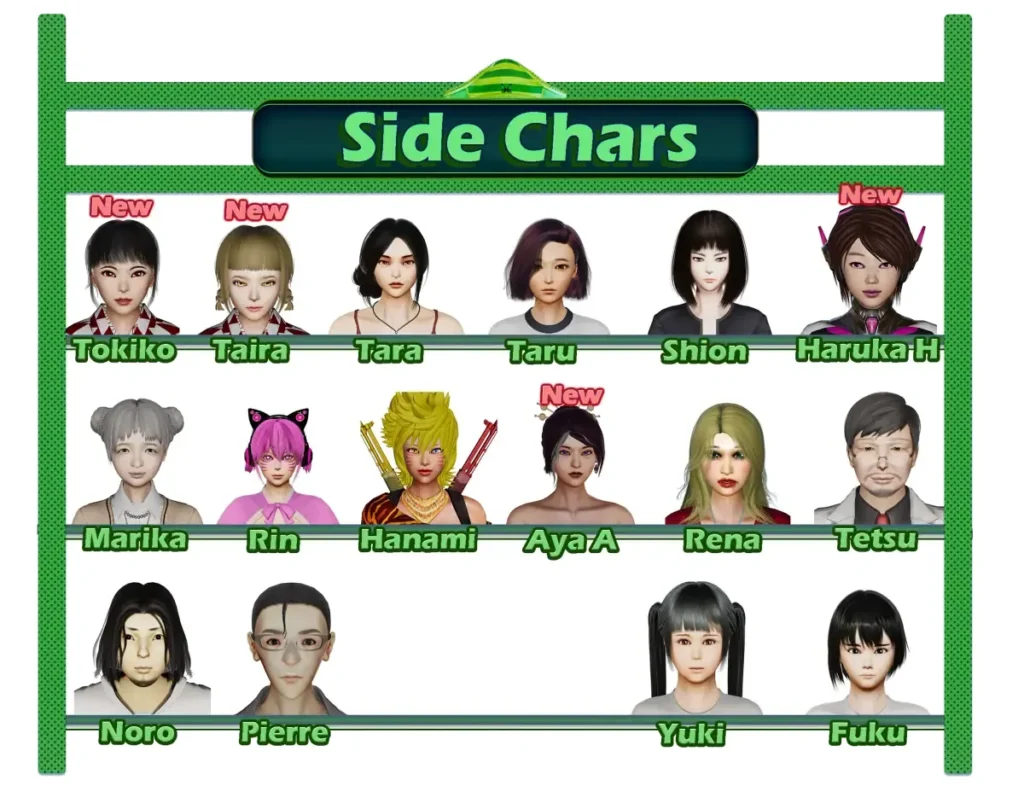
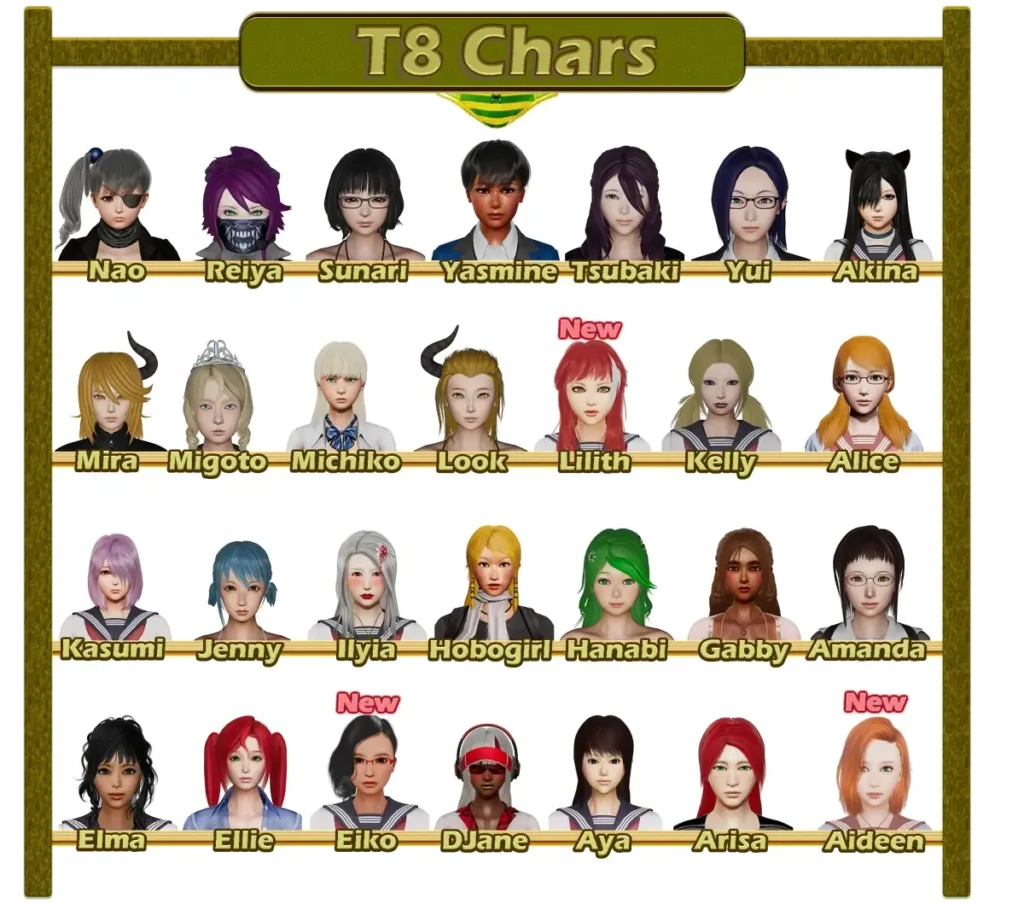










Ecchi Sensei review
A player-focused guide to story, characters, mechanics, and tips
Ecchi Sensei is a narrative-driven adult visual novel that casts you as a teacher who moves to a small town and navigates a large school with a mostly female cast while balancing family life and career choices. This introduction highlights the game’s core premise and promises: branching storylines, character-driven romance routes, and an emphasis on choice-driven outcomes. In this article I share personal experiences with the early days of the game, practical advice for new players, and an honest look at mechanics and content so you can decide how to approach the game and make the most of its routes.
Story and Setting — What to Expect in Ecchi Sensei
So, you’ve just started Ecchi Sensei, huh? 🎮 That first day is a whirlwind. One minute you’re moving into a new apartment with your family, and the next, you’re standing at the gates of the sprawling Fujiyama Academy campus, your new workplace. This isn’t just any school—it’s the center of a bold educational experiment, and you, a fresh-faced teacher, are right in the middle of it. The Ecchi Sensei story expertly uses this familiar school setting visual novel framework as a launchpad for something much more personal and intricate. Your goal isn’t just to teach math or history; it’s to navigate a complex social web, build genuine connections, and perhaps find romance in the most professionally precarious of places. 😅
This opening act is masterful in how it frames your journey. You’re given a simple, initial objective: get settled, meet your colleagues and students, and find your footing. But beneath that surface, the game is already tracking your every interaction, laying the groundwork for the rich Ecchi Sensei routes that will define your experience. It’s a slow-burn start that prioritizes atmosphere and character introduction, making the world feel alive before the real branching begins.
Main premise and narrative structure
The core premise of Ecchi Sensei is deceptively straightforward. You play as a young teacher transferring to Fujiyama Academy, a prestigious and massive institution known for its unique “holistic development” programs. 🏫 The narrative structure mirrors a teacher’s daily life: a calendar system progresses the story week by week, with each day broken into segments like “Morning,” “Lunch,” and “After School.”
This isn’t a linear tale. The genius of this character-driven romance game lies in how it uses this daily structure. Your time is a resource. Will you spend your lunch break in the staff room chatting with a fellow teacher, or seek out a student who seems troubled in the courtyard? Each of these decisions is a visual novel branching choice, often subtle and seemingly innocuous, that pushes you toward a particular character’s path.
The story unfolds through a mix of mandatory school events (festivals, exams, trips) and the personal scenes you unlock through your choices. Early on, the game feels broad, letting you meet the large cast. But soon, your consistent choices begin to narrow the focus, diving deep into the personal struggles, dreams, and backstories of the characters you’ve shown the most interest in. The narrative is built on these long-form updates, meaning relationships develop gradually and feel earned, with moments of humor, drama, and warmth.
Key characters and relationship dynamics
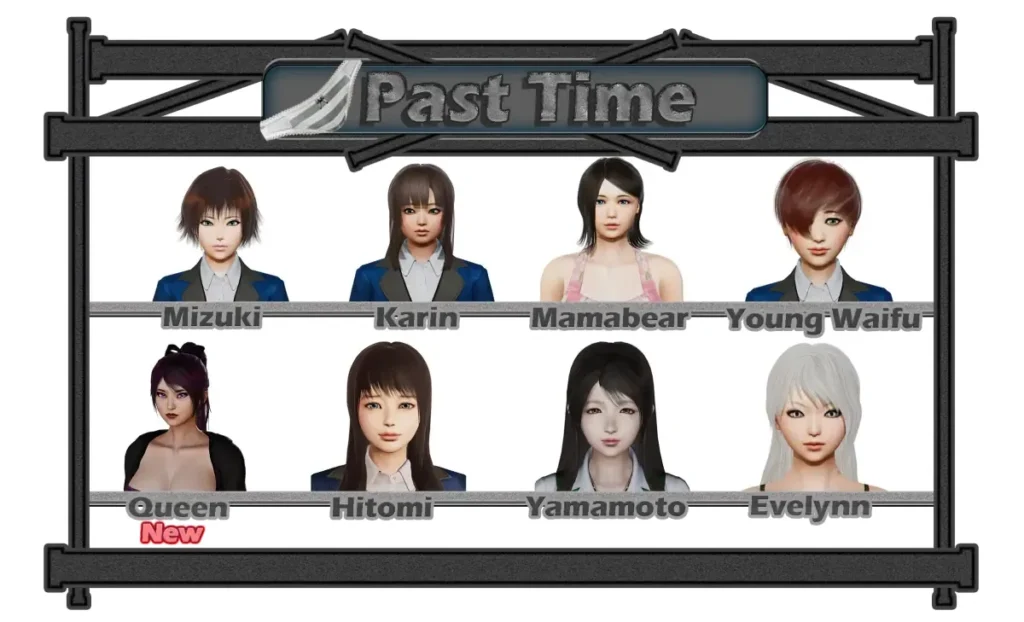
The heart and soul of any great visual novel is its cast, and the Ecchi Sensei characters are designed to be memorable, archetypal yet nuanced. You’ll quickly recognize familiar roles, but the game spends its time fleshing them out into individuals you care about. Your interactions aren’t just with students; the faculty and other adult figures provide their own dynamic layers, offering mentorship, rivalry, or potential romance from a different perspective.
Understanding these archetypes is key to navigating the social landscape. Each character responds to different approaches—some appreciate directness and confidence, while others open up to kindness and patience. The relationship dynamics often explore the complexities and tensions of a student-teacher bond within a fictional, dramatic context, focusing on emotional connection and personal growth.
Here’s a quick guide to the main archetypes you’ll encounter and how to start engaging with their stories:
| Character Archetype | Key Personality Traits | Recommended Early Choices to Unlock Their Route |
|---|---|---|
| The Shy & Studious | Reserved, intelligent, often found in the library or a quiet corner. They value sincerity over flash. | Offer help with a heavy stack of books. Choose to study in the library after school instead of more social activities. |
| The Confident Club Leader | Energetic, passionate, a natural-born leader. They respect initiative and shared dedication. | Volunteer to be the club’s faculty advisor. Attend their practice sessions and show genuine interest in their goals. |
| The Childhood Friend (Colleague) | Warm, familiar, supportive. They provide a sense of stability and shared history. | Prioritize dialogue options that reminisce about the past. Accept invitations for casual after-work drinks. |
| The Rebel with a Heart | Seemingly aloof or troublesome, but secretly caring. They test your trust and reject fake kindness. | Defend them from a harsh accusation from another teacher. Look for them skipping class not to scold, but to check in. |
| The Ambitious Mentor | Experienced, driven, and sometimes intimidating. They challenge you to be better. | Ask for their advice on a teaching problem. Demonstrate your commitment to the academy’s experimental ideals in conversations. |
Story progression, branching, and replay value
This is where Ecchi Sensei truly shines as a character-driven romance game. The branching isn’t always about huge, dramatic decisions shouted at you. It’s in the small, cumulative choices. Did you compliment a character’s effort? Did you choose to walk home a certain way? The game remembers. After a critical mass of relationship points with a specific character, you’ll hit a “route lock” moment—often a key event where you choose who to support or spend time with. This finalizes your path, locking you into that character’s story for a deep, focused narrative arc.
Pro Tip: Save constantly and in multiple slots! 📁 The most rewarding way to play is to save before every meaningful choice. This lets you explore the consequences without replaying hours of content. I recommend a “branching save” strategy: one main save at the start of each in-game week, and quick saves before every interaction.
Let me share a personal story from my first playthrough. I was determined to be the “perfect, professional teacher.” I avoided any choice that seemed even slightly unprofessional. Imagine my shock when, around the mid-term, I found myself locked into a surprisingly heartfelt route with the school’s stern head of discipline! 😲 It turned out my consistent choices to uphold rules and seek her counsel on classroom management had been read as respectful dedication, unlocking a route I never saw coming. It taught me that in Ecchi Sensei, your character’s values are defined entirely by your actions.
Here are some practical tips for shaping your own Ecchi Sensei story:
- Follow the Focus: The game often signals interest. If a character starts appearing in more solo scenes, or their personal problems become a focus of the main narrative, you’re likely on their path.
- Prioritize Early: Don’t try to please everyone in a single run. Pick 2-3 Ecchi Sensei characters that intrigue you most and focus your interactions on them from the first week.
- Theme Awareness: The game explores mature themes like societal pressure, personal trauma, and the complexities of forbidden feelings. Approach choices with empathy.
- Route-Specific Playthroughs: If you have a favorite character, research fan communities for vague, spoiler-free hints on key early choices. Then, dedicate a playthrough just to them, saying “no” to others.
And this brings us to the incredible replay value Ecchi Sensei offers. ✨ This isn’t a “one-and-done” experience. The true scope of the Ecchi Sensei story is only revealed across multiple playthroughs. You’ll see how events you witnessed on one path play out completely differently for another character. Later updates and releases often expand routes with new chapters, adding epilogues or deepening character resolutions.
Exploring different Ecchi Sensei routes is like piecing together a mosaic—each path reveals a different perspective on the academy and its inhabitants. The visual novel branching choices you ignored before become the central focus of your next adventure. This design makes every hour of play feel valuable, constantly rewarding your curiosity and encouraging you to see all the stories this rich school setting visual novel has to hide. So dive in, save often, and don’t be afraid to follow your heart—even if it leads somewhere wonderfully unexpected.
Ecchi Sensei is a branching, character-driven visual novel that rewards careful choices, save management, and multiple playthroughs to explore its many routes. Throughout this guide I covered the story premise, gameplay systems, route strategies, community resources, and practical tips for responsible and enjoyable play. Try the suggested save strategies, prioritize the character routes that most interest you, and make backups before applying updates or mods. If you enjoyed this breakdown, consider sharing your own route experiences in community forums or coming back to this guide when a major update arrives.