Peasant’s Quest
Play Peasant’s Quest
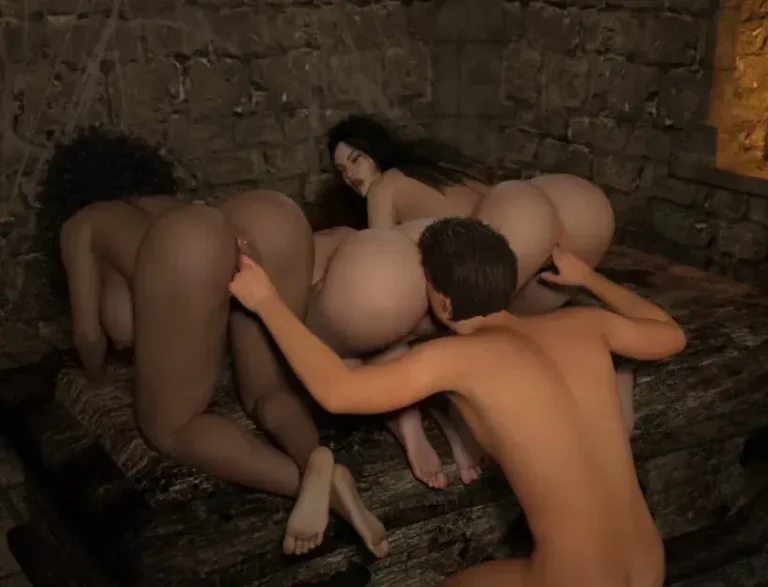
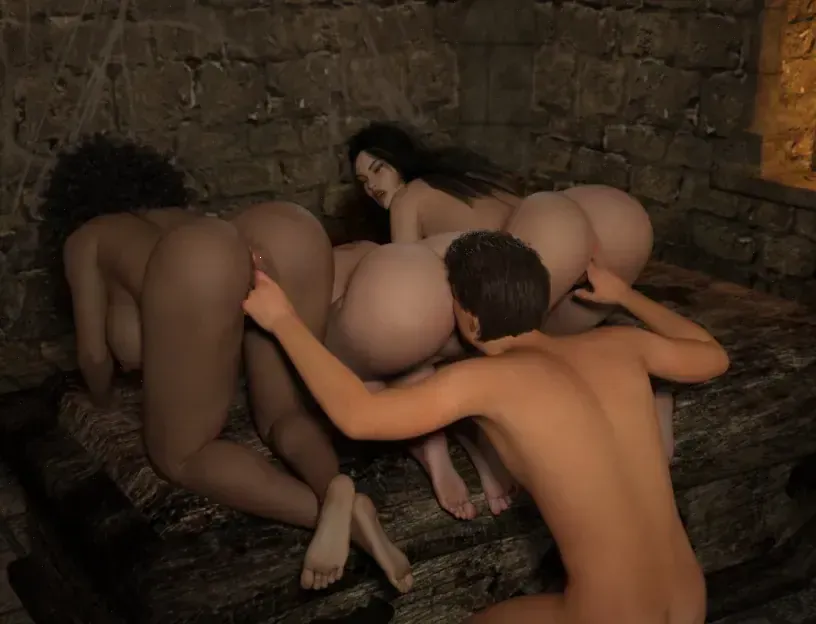
Peasant’s Quest Screenshots
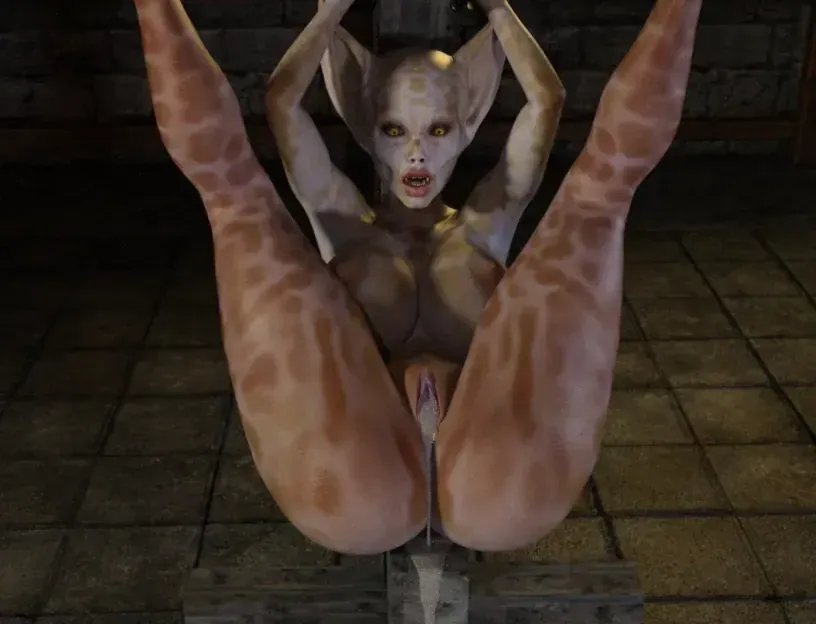

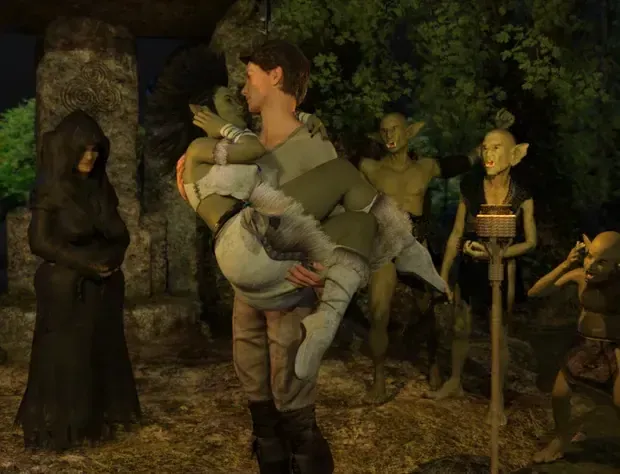
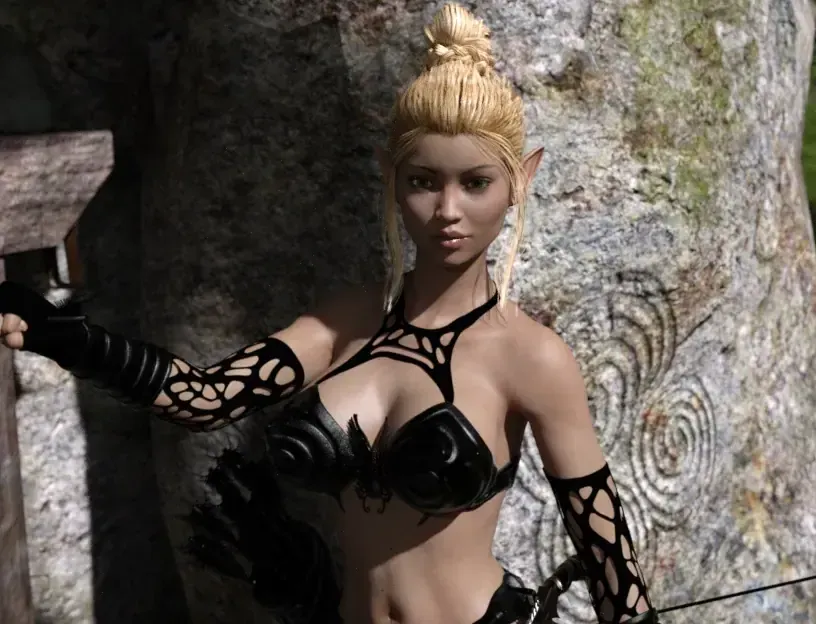


Peasant’s Quest review
Story overview, gameplay tips, and personal insights into Peasant’s Quest
Peasant’s Quest is an adult-themed fantasy adventure that mixes classic role-playing mechanics with relationship-building, exploration, and a tongue-in-cheek medieval setting. If you have seen the name pop up on forums or game directories and wondered what Peasant’s Quest is really like, this guide walks you through the essentials. Drawing on real player-style experiences, we will look at the story setup, how the world works, what you can realistically expect from the characters and events, and how to approach your first hours so you do not feel lost. Think of this as a friendly orientation before you dive into the game yourself.
What Is Peasant’s Quest and How Does It Play?
So, you’ve stumbled upon Peasant’s Quest and you’re wondering what all the fuss is about? 🤔 Let’s pull up a stool at the virtual tavern and break it down. At its heart, Peasant’s Quest is an adult-themed narrative adventure that throws out the typical “chosen one” script. Forget epic destinies and ancient prophecies—here, you’re just trying to make it through the week without your roof leaking. It’s a refreshing, cheeky, and often surprisingly deep take on medieval fantasy life.
This Peasant’s Quest guide will walk you through exactly what the game is, how it plays, and who will get the most out of its unique charm. Whether you’re looking for a Peasant’s Quest review style overview or practical tips on how to play Peasant’s Quest, you’re in the right place.
Peasant’s Quest Story and Medieval Fantasy Setting 🏰
The Peasant’s Quest story begins with a beautifully simple premise: you are a nobody. Your character is a commoner in a living, breathing medieval world filled with all the classic tropes—dense forests, looming castles, mysterious ruins, and taverns where adventurers boast about their deeds. But instead of grabbing a sword to fight the dragon, your initial concerns are far more mundane. Maybe you need to repair your hovel, earn a few coins, or simply figure out where your next meal is coming from.
The magic of the setting isn’t just in its visuals (though the art style is wonderfully evocative), but in how it grounds the fantasy. You’ll interact with a cast of characters ranging from fellow villagers struggling with their own dramas, to weary guards, traveling merchants, and yes, even those famed adventurers and nobles. The “adult” themes are woven into this tapestry naturally; they’re about relationships, power dynamics, persuasion, and the choices you make to climb—or simply survive—in a society with a very rigid hierarchy.
It’s a world that feels alive because everyone has their own schedule and secrets. The noble in the castle isn’t just a quest-giver; they’re a person with desires and leverage. The innkeeper might need a favor that has nothing to do with slaying monsters. This character-driven focus is what makes the Peasant’s Quest setting so compelling.
Core Gameplay Loop: Exploration, Quests, and Relationships 🗺️
If you’re used to fast-paced action games, the Peasant’s Quest gameplay will feel different—and that’s the point. This is a slow-burn, narrative-focused experience where attention to detail is rewarded. The core loop is deceptively simple but incredibly engaging once you sink into its rhythm.
Think of your time in Peasant’s Quest as living a digital life. The game world operates on a schedule. Characters move between locations at different times of day, and events trigger based on your choices, the time, and your progress with other people. The primary way you interact with everything is through exploration and conversation.
Here’s a breakdown of the essential Peasant’s Quest gameplay cycle:
- Explore: Click around the map to visit different locations like the village square, the forest edge, the tavern, or the market. New areas open up as you progress.
- Talk: Converse with everyone. Dialogue is your main tool. Your choices here can open up new opportunities, gain you favors, or shut down paths entirely.
- Complete Quests: Tasks aren’t always marked with a giant exclamation point. You’ll need to listen to gossip, read between the lines, and often help someone with a personal problem to advance. Completing these tasks is the key to unlocking new scenes and areas.
- Advance Relationships: By consistently interacting with key characters and choosing dialogue options they appreciate, you’ll deepen your connection with them. This is where a significant part of the game’s content and storytelling unfolds.
- Unlock Scenes: As a reward for your exploration and relationship building, you’ll access new scenes that advance the story, develop characters, or provide those memorable adult-oriented moments the game is known for.
There’s no complex stats screen to manage. You might track a few simple resources like coins or reputation, but the real “currency” is your standing with other characters and the information you gather. The Peasant’s Quest design philosophy is all about discovery through engagement, not through grinding a skill bar.
A Personal Mistake (And The Lesson It Taught) 😅
Let me share a quick story from my first attempt at how to play Peasant’s Quest. I booted up the game, loved the art, and just started clicking everywhere. I talked to a few people, poked around the forest, and called it a night (in-game). The next day, I did the same thing.
A week later (real time!), I was reading a forum and saw players raving about an early scene with a certain character at the well… at sunset. I had never visited the well at sunset. I’d been there in the morning and afternoon, but the specific trigger for that entire story branch was tied to a very specific time of day. I had completely missed it because I wasn’t paying attention to the game’s living clock.
That was my “aha!” moment. Peasant’s Quest doesn’t hand you everything on a platter. It expects you to observe, experiment, and live in its world. My gentle, hard-learned advice?
Save often, and in multiple slots. Try visiting the same location at dawn, noon, dusk, and night. You’ll be amazed at what—and who—you discover.
Practical Tips for Your First Days in Peasant’s Quest 🛡️
Feeling overwhelmed is normal at the start. Here’s some actionable advice to help you find your footing in this Peasant’s Quest guide:
- Don’t Try to See Everything at Once: This is the biggest tip. The game is designed for multiple playthroughs. On your first run, pick two or three recurring characters that interest you and focus your attention on them. Building a deep connection with one person is far more rewarding than having shallow interactions with everyone.
- Balance Your Time: Split your days between pursuing an active goal (like a quest you’ve uncovered) and pure, free exploration. Spend an afternoon just following a character around to learn their schedule.
- Listen Closely to Dialogue: If someone mentions they’re always at the forge in the evenings, they mean it. The game’s writing is full of these hints. Jotting down little notes can be a game-changer.
- Embrace the Tone: The writing in Peasant’s Quest is a blend of humorous, cheeky, and occasionally dramatic. It doesn’t take itself too seriously, but it respects its characters and world. If you enjoy a bit of wit and playful innuendo mixed with your fantasy, you’ll feel right at home.
Who Will Enjoy Peasant’s Quest? ✅
So, is Peasant’s Quest worth playing? Absolutely—but for a specific kind of player. This isn’t a game you play to “win” quickly.
Peasant’s Quest is perfect for you if: You love slow-burn progression, getting lost in a story, and the joy of discovery. You enjoy games where your choices feel meaningful in shaping relationships, not just the end credits. You appreciate a more relaxed pace where the goal is to experience a world and its people.
You might want to look elsewhere if: You crave constant action, fast-paced combat, or a clear, linear main questline you can blast through in a few sittings. Peasant’s Quest is a digital novel you inhabit, not a rollercoaster ride.
Ultimately, the Peasant’s Quest gameplay loop of explore, talk, and connect offers a uniquely satisfying and personal adventure. It’s a game that rewards patience, curiosity, and a willingness to live another, much simpler (yet somehow more complicated) life.
Quick Peasant’s Quest FAQ 🎯
Here are quick answers to some common questions for those who like to skim!
| Question | Quick Answer |
|---|---|
| How long does it take to understand Peasant’s Quest? | Give it 2-3 in-game days. Once you see characters following schedules and events triggering at specific times, the “aha!” moment hits and the whole game opens up. |
| Can you play Peasant’s Quest casually? | Yes! It’s ideal for short, 30-minute sessions. Play a day or two in the life of your character, save, and come back later. It’s a great unwind game. |
| Is there a lot of reading? | Yes, reading dialogue and descriptions is the primary activity. If you don’t enjoy narrative-heavy games with lots of text, this might not be for you. |
| How much freedom do your choices really have? | Significant freedom in shaping relationships and which story paths you experience, but within the defined world. You can’t become a king, but you can drastically change your social standing and personal connections. |
Peasant’s Quest takes a familiar medieval fantasy framework and layers it with character-driven events, exploration, and adult-focused storytelling. If you go in expecting a slower, more deliberate experience where choices and timing matter, the game can be surprisingly engaging and often quite funny. Use the early in-game days to learn how the village and surrounding areas work, pay attention to character routines, and do not be afraid to replay key parts to see different outcomes. Ultimately, Peasant’s Quest rewards curiosity and patience, making it a solid pick if you enjoy narrative-heavy games where your decisions steadily open up new scenes and possibilities.